Archive for the ‘Looting’ Category

I’m right again!

Saturday, November 8th, 2008

I know, not exactly shocking at this point, but always worth covering. When Amenhotep III got his eye back from the museum in Basel, Switzerland, I said this:

There are going to be lots more stories like these as Switzerland confronts its long history of warehousing looted goods.

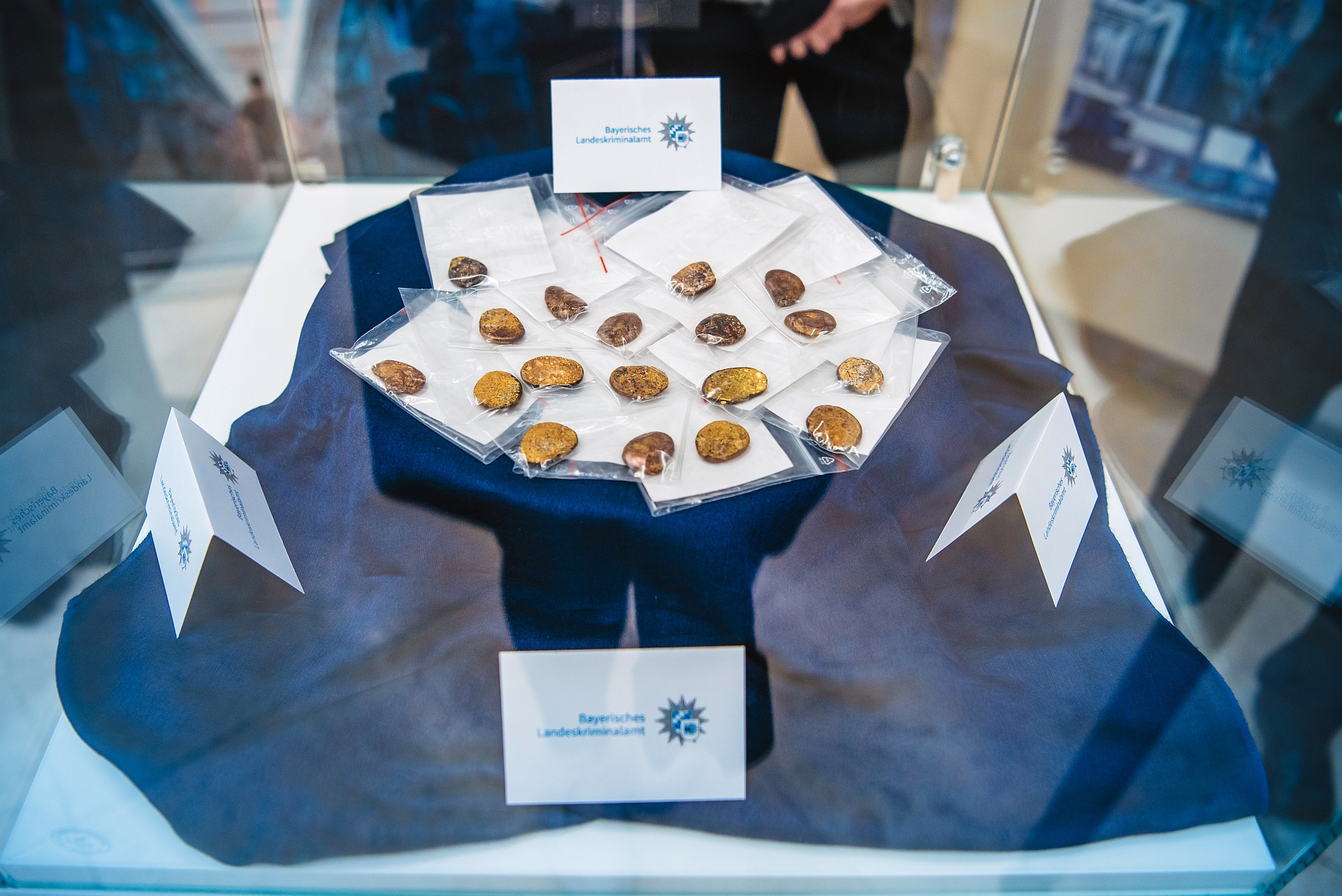
Or one story covering 4,400 individual antiquities returned to Italy from a warehouse in Basel.

They were the holdings of a husband-and-wife team of Swiss art dealers and were all recently excavated and illegal exported to Switzerland (ie, loot). The goods were seized in 2001 and only now, after the couple spent 7 years in court trying to stop Italy from getting its stuff back, is this motherlode going home.

More than half the objects were from the eastern Italian region of Apulia, an area that was heavily influenced by ancient Greek culture, said Guido Lassau, a Swiss archaeologist who worked on the case.

They include richly decorated vases and so-called kraters, large vessels that were used for mixing wine with water. The objects were stolen from upper-class tombs dating from the fifth to third centuries B.C., according to Lassau.

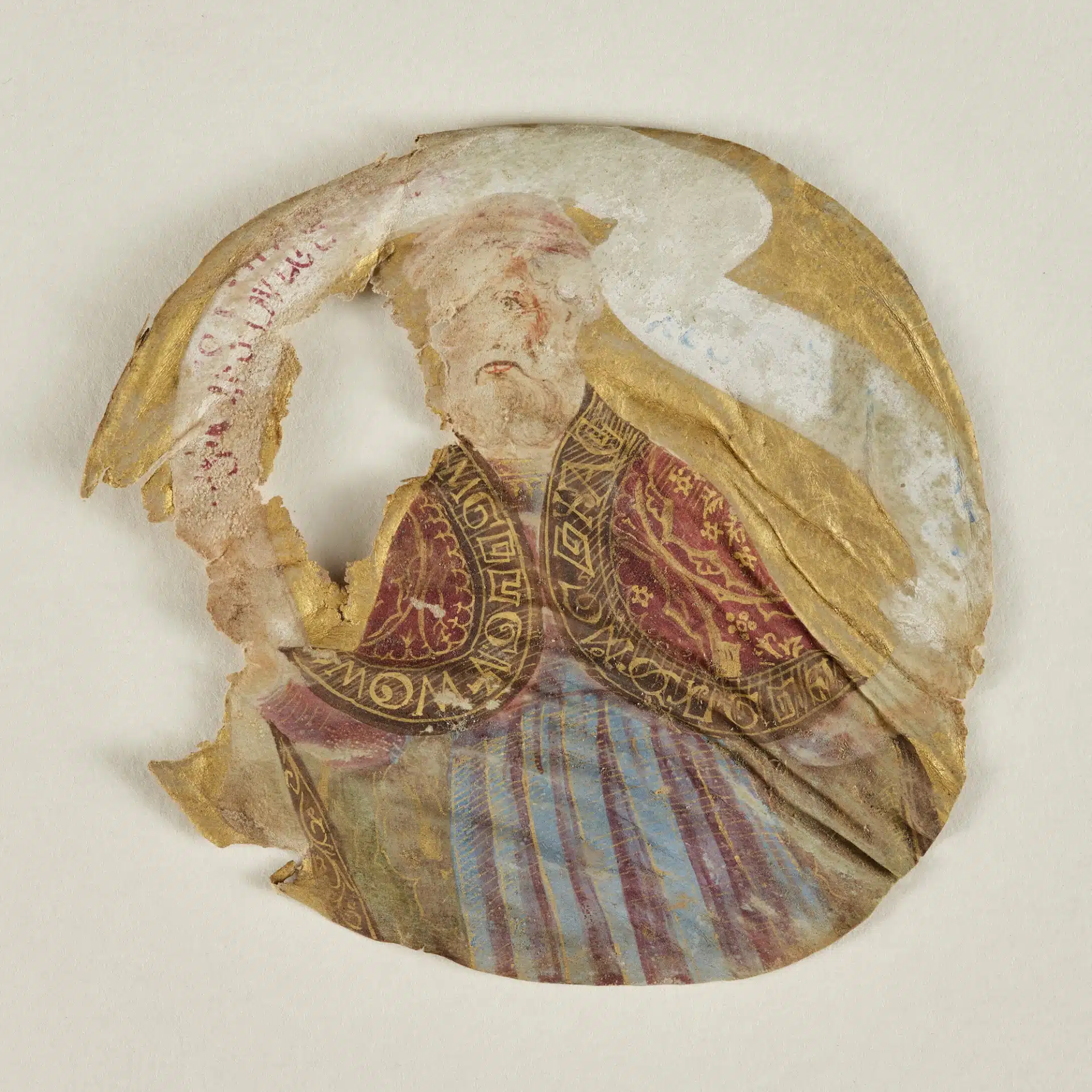
One item that looks like a ceramic mask modeled on a woman’s face retains the original water-soluble painting from about 300 B.C. [...]

Other items belong to the pre-Etruscan Villanova culture of northern Italy, and some of the bronze figures appear to have originated on the island of Sardinia.

The oldest are bronze daggers thought to be about 4,000 years old, said Lassau.

“This is a vast haul on a dramatic scale that would have saturated the market if they had been sold,” he said, adding that very few such items are available through legal channels.

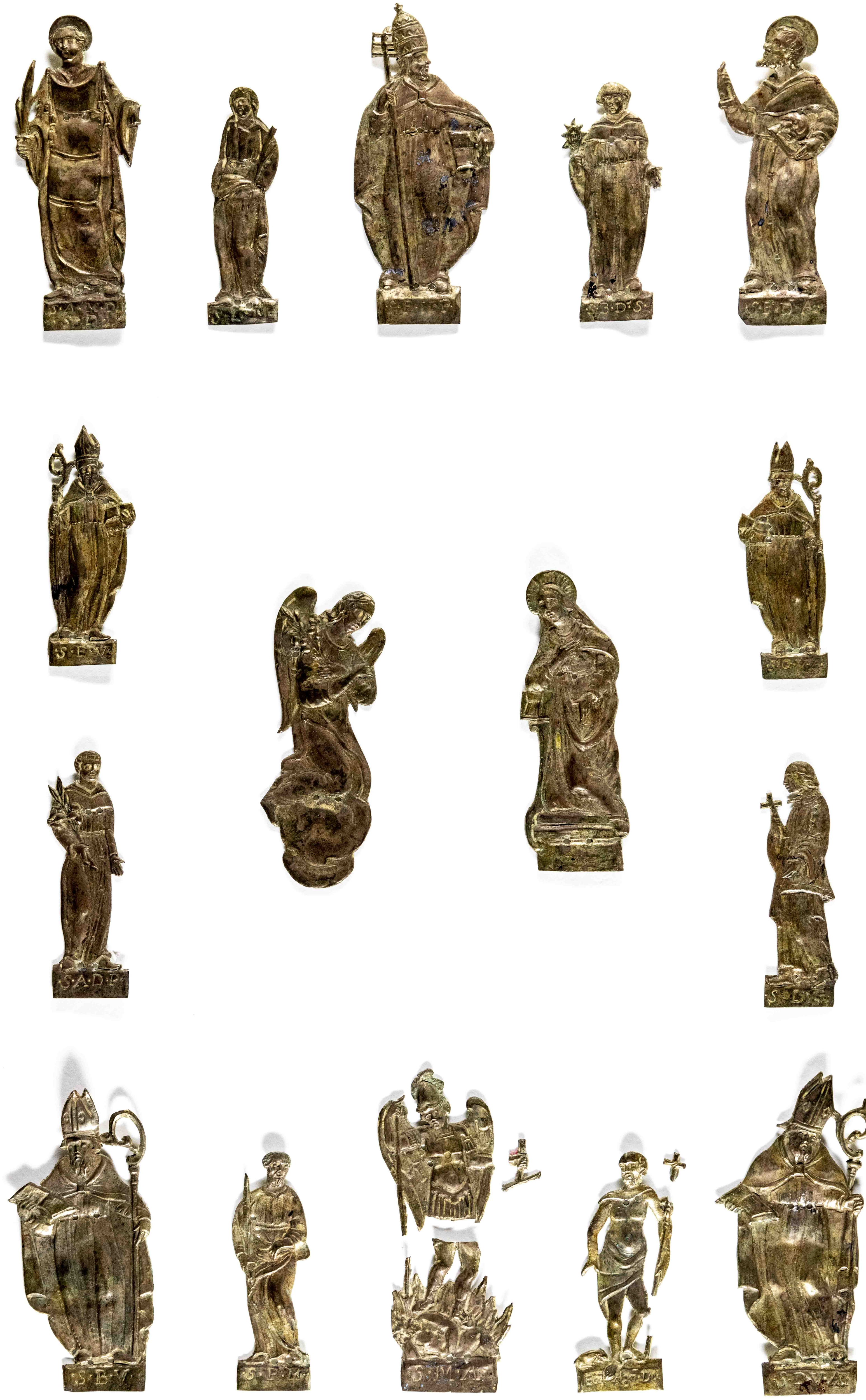
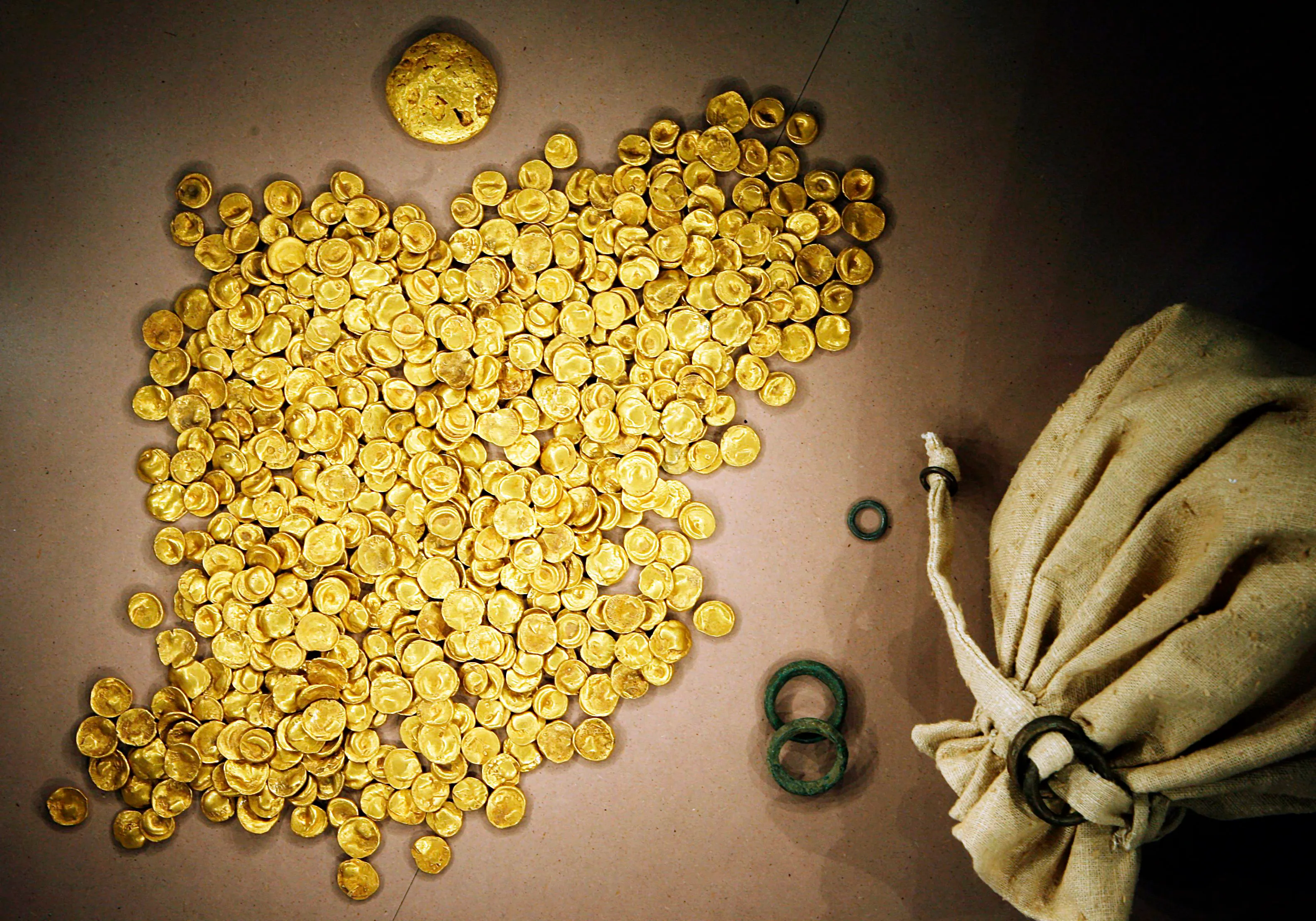
That gives you an idea of the scale of these operations. Grave robbers (tombaroli) on the ground in Italy turn over an immense number of antiquities every year. These artifacts end up in huge warehouses in countries where they don’t ask too many questions, like Switzerland until recently or Germany.

Then they sit and wait while the dealers make a slow killing selling the pieces one at a time so as not to flood market, depress prices and raise suspicions. We don’t have any idea how many thousands of stolen antiquities are currently locked up in warehouses, but the mere two warehouses I know of in detail (this one and Giacomo Medici’s astonishing hoard in Freeport, Switzerland) contained just short of 15,000 looted artifacts worth a conservative $40 million. In two warehouses.

The sources of this raging river of loot — the in-country grave robbers and site plunderers — keep the flow constant. This is why repatriation efforts are so important: it’s not the sop to nationalist sentiment that museum directors like James Cuno think it is, but a way to discourage looting and archaeological site destruction by making it in the primary buyers for illicit antiquities’ interest to demand a clean record of ownership before purchasing any artifact.

I got mad at The Antique Detective

Friday, October 31st, 2008

I came across an article today that pissed me off so much I actually bothered to register and comment: Genuine antiquities are surprisingly affordable.

Plasma TVs from the back of some guy’s van are surprisingly affordable too. Know why? BECAUSE THEY’RE FRIKKIN STOLEN.

I mean, just look at this quote.

I know it sounds unbelievable that it is possible to pay as little as $200 for a small Egyptian station (954-853 B.C.) or a Neolithic painted pottery jar c. 2000 B.C. or a free blown amber marbled glass flask c. 1st century A.D. for $1,000/$2,000.

Surprisingly the answer is because they aren’t very rare. According to Bill Gage, in the expert department of James Julia Auctions, they turn up regularly at auction. “They are still digging it up and it was untouched for 2,000 years.”

They are still digging it up. There. Right there. Who the hell does Anne Gilbert The Antique Detective think is doing that digging? Can ya maybe detect that every major antiquities-exporting country has LAWS against “digging it up” and selling it for a bargoon to Indiana Jones manqué IT professionals in the greater Chicago area?

Now watch this drive:

If you are still interested check before buying for historical significance, authentic age and good condition. Study museum collections and ask questions.

Historical significance, age and condition. Not a single word in the entire article about history of ownership. No need for buyers to care in the least if they’re supporting grave robbers, drug cartels and terrorists.

So here’s what I said in my comment:

I’m dismayed by your complete lack of acknowledgment that recently surfaced antiques (”They are still digging it up and it was untouched for 2,000 years.”) are most likely looted, stolen by highly destructive grave robbers and trafficked by criminal networks including a vast panoply of terrorists, drug dealers and all manner of criminals.

The market in Apullian red figure vases in particular is notoriously comprised of goods ripped from the ground of central Italy since 1970 in contravention of Italian law and the 1970 UNESCO convention.

To not even mention provenance or ownership history as something potential buyers should care about is deeply irresponsible. That sort of look-the-other-way attitude is why Shelby White, the Getty Museum, the Met and a myriad other collectors and institutions have been forced to return the stolen goods they so gleefully purchased with the reckless encouragement of people like you.

I had links in there but evidentally they don’t allow HTML in comments.

What do you think? Was I too nice?

Bonhams caves and I was right (yet again)

Wednesday, October 15th, 2008

When Bonhams’ sale of the Geddes Collection made the news this summer it was because there was a superstar among the antiquities, namely Roman Elvis.

At the time, I said:

There was no mention that I could find on the Bonhams site or in the press about the ownership trail of these fantastical pieces. Mr. Geddes is Australian and has been collecting since the 70’s. Beyond that, who’s to know?

Well, with the auction scheduled for today, former Italian culture minister Francesco Rutelli started making noise a week ago about some of the lots having been looted from Italy.

There are many Apuglian vases for sale, most of them with no history prior to 1970, most likely indicating they were part of the explosion of looted Apuglian antiquities on the black market over the past few decades.

One of those Apuglian vases used to be in Robin Symes’ collection, and Robin Symes is one of those antiquities dealers from the Arsène Lupin school of “collecting”.

He was caught up in the great Medici case which is currently prosecuting former Getty curator Marion True. Although the Italian government hasn’t prosecuted him, a civil case brought by his late partner’s family has basically ruined him.

Anyway, the auction is going on as scheduled today, but Bonhams has withdrawn a number of lots, including almost all the Apuglian pottery, even the one the original press release called the most important item in the collection.

500 years of foiling looters on display

Thursday, October 9th, 2008

A new exhibit of antiquities on display in the Colosseum is showcasing the long history of Italian efforts to fight tomb raiders from the Renaissance to the present.

Some 60 works from Italy and abroad, most dating back to classical times, are arranged on the second tier of the Colosseum.

All these works were originally saved from raiders and traders by art protection movements and laws.

Among them are a 100BC Roman statue called The Haranguer or Orator from Florence’s Archeological Museum; the famous Birth of Bacchus from Budapest; the Gustiniani Hestia statue of an austere noblewoman from Rome’s Torlonia collection; and the ‘Dea Roma’ (Rome Goddess) from Ostia.

Other significant works are the ‘Marciante’ Artemis, recovered in 2001 after a five-year fight against traffickers who commissioned no fewer than five copies in a bid to sidetrack art cops; an Apollo found at the villa of famous Ancient Roman jurist Domitius Ulpianus at Santa Marinella near Rome; and a statue of the tragic Greek mythological mother Niobe from an ancient Roman villa, reunited for the first time with its head, recently identified in Poland.

That’s just the beginning. The exhibit lays out the history of the rise of a sense of Italian cultural patrimony, a feeling which grew from the Renaissance and long pre-dated political unification.

For example, the British Museum, not satisfied with the fruits of Elgin’s rape of the Acropolis, had its leer fixed on the Doric friezes of the Greek temple complex in Selinunte, Sicily. These friezes are in a unique style and widely considered to be the oldest extant examples of Greek sculpture.

They were saved from a fate worst than death by a law passed in pre-unification Italy. The BM had to be content with plaster casts.

Cool, right? I had no idea.

I love the scope of this exhibit. You can’t beat the location, and it’s such great publicity for the Carabinieri art squad, who have done an amazing job addressing the problem of systemic looting of heritage sites not just in Italy itself, but also when they were deployed in Iraq after the invasion.

For more detail on the exhibit, see this New York Times story.

A heartbreaking update

Sunday, September 14th, 2008

Earlier this year, I posted repeatedly about the federal raids on looted and overvalued-for-tax-fraud Asian antiquities in prominent California museums.

One of the sad results of this investigation was the arrest and death in custody of Asian antiquities specialist Roxanna Brown. She was known as a vocal opponent of the trade in looted artifacts, so it was shocking that she would be involved in this ugliness in the first place. Her sudden death was even more so.

Now the LA Times has a 3-part story on the life and death of Roxanna Brown, her fascinating history ranging from being a freelance reporter in Vietnam during the war, to her opium addiction, to her marriage to a Buddhist monk, to the brutal car accident resulting in the loss of her leg, to becoming the preeminent expert on Asian ceramics, to actually helping the feds in the early stages of the investigation, to her devastating final descent into tax fraud and antiquities smuggling, and horrible, awful death.

Here’s a bit about how the collectors, the Markells, used Roxanna Brown’s reputation to submit phony appraisals for donated antiquities so they could write greater sums off on their taxes.

In another e-mail exchange from March 2007, Markell asked Brown to sign six to eight blank appraisal forms for future donations and offered the scholar $300 “for using you, as it were, as the appraiser. . . .”

“If you are nervous about doing this, please realize that the Republicans are still in office, the IRS does not have enough personnel to review small-time appraisals and the appraisals are very well written and will never be challenged,” Markell wrote, according to a copy of the e-mail filed with the affidavit.

The documents indicate that Brown responded via e-mail the same day: “No problem! I am delighted to be your partner in this.”

That’s not all she did. Smuggler Robert Olson, the key fence of stolen goods in the museum investigation, had a whole file named “Roxanna” and this is the kind of stuff the feds found in it.

In one undated document, Brown offered to sell Olson ancient bronze bracelets, Neolithic stone tools and Thai ceramics from “burial sites on the Burmese border,” according to copies of the correspondence attached to the July affidavit.

In an e-mail dated April 2002 that bears her name, she confirmed that she had received $14,000 in cash from Olson for a prehistoric bronze. Two months later, another e-mail from Brown advised Olson’s grandson of a Thai bank account to which additional money could be sent.

So she was smuggling looted antiquities herself. It’s hard to wrap my mind around this.

When I first posted about her death, the articles suggested “an apparent heart attack.” The truth is Roxanna Brown died of a perforated ulcer, vomiting her own excrement in a jail cell.

Read the whole story here:

  • Part 1
  • Part 2
  • Part 3
  • A little more about Amenhotep’s eye

    Friday, September 12th, 2008

    This article adds some juice to the dry announcement of the eye’s return.

    Zawi Hawass himself apparently saw it while he was in town for the Tut exhibit, recognized it right away and negotiated directly with the collector to get it back.

    Notice the use of the standard “in good faith” clause. Whenever you see that in conjunction with a returned antiquities, what that actually means is that the originating country won’t prosecute the collector for buying stolen goods.

    It’s not a genuine assessment of the collector’s approach to purchasing antiquities, which more often that not is better described as “avoiding the dirty reality because they like old stuff.”

    Amenhotep III gets his eye back

    Wednesday, September 10th, 2008

    It was stolen from the temple in Luxor during a fire in 1972. The looters found the usual willing buyer: a greedy antiquities dealer willing to purchase to loot no questions asked.

    The greedy antiquities dealer found the usual willing fence in Sotheby’s, where a German dealer bought it at auction.

    From there, the eye traveled to a museum in Basel, Switzerland, and now that Switzerland has signed a memo of understanding with Egypt to return illegally exported antiquities, it’s finally going back home, only 35 years after it was stolen.

    There are going to be lots more stories like these as Switzerland confronts its long history of warehousing looted goods.

    Shelby White coughs up more loot

    Thursday, September 4th, 2008

    The vaunted Shelby White and Leon Levy collection has gotten a little smaller again. Earlier this year Shelby White returned nine looted artifacts to Italy.

    Now it’s Greece’s turn to get a little of its own back.

    The upper part of a marble funerary stele and a bronze krater, or large cup, dated to the 5th and 4th century BCE, were returned by collector Shelby White in August under a deal in which Greece pledged not to legally pursue the matter, it said.

    “The culture ministry recognises that the antiquities were acquired by Ms White in good faith, and for this reason…no demands will be raised against (her),” a ministry statement said.

    But Greece reserves its legal rights over other potential claims regarding items in White’s collection, it added.

    Good call, because odds are there are a lot more goodies where these two came from. The Italians did the same thing, btw: allow Shelby White to claim “good faith” so she won’t get prosecuted like Marion True, former curator of the Getty Museum and regular receiver of stolen goods.

    It’s a fig leaf. White and Levy knew full well they were buying shady shit from shady people. They just looked the other way like the Getty and the Met did.

    For more information translated from the full Greek press release, see David Gill’s entry here.

    Peru on a roll

    Monday, August 25th, 2008

    This time it’s not just pending litigation, but rather a major, major score of almost 3,898 Inca and pre-Inca artifacts returned from the National Institute of Latin American Anthropology and Thinking in Buenos Aires, Argentina.

    According to the Peruvian embassy in Buenos Aires, these pieces include valuable ceramics, textiles, metal objects from different pre-Hispanic cultures, as well as a colonial picture, all of which were taken out of the country illegally.

    These artifacts are part of an 18,000-piece collection of Peruvian cultural heritage that was illegally taken to Argentina, affirmed the Peruvian embassy.

    I can’t find any other information about this collection, the circumstances of its removal from Peru or the legal reasoning behind the return of a fraction of it. I’ll keep digging.

    Looters plunder wrecks in the ‘graveyard’ of the Atlantic

    Sunday, August 3rd, 2008

    In 1942, Germany took its U-boat warfare campaign right up to the US Atlantic coast. Almost a hundred ships were taken down during the active months of the torpedo campaign, and they’re all still there where they fell, often in fairly shallow water.

    The campaign, which started with Operation Paukenshlag (Drumbeat), was successful for the Germans, who called the period the Second Happy Time, after an earlier phase of Allied sinkings.

    Initially, there was no convoy system and little protection given to the British and American merchant ships which travelled up the coast alone from the Gulf of Mexico before assembling further north to cross the Atlantic in large numbers.

    The U-boats were able to pick off ships in daylight, or at night when they were illuminated by lights from the shore. The waters off North Carolina were named “Torpedo Junction”.

    Unfortunately, Davy Jones’ locker is getting broken into by looters looking for World War II souvenirs, like weapons, hacksawable chunks from the ships and subs, or even human remains.

    Considering that the children of people who died on those ships are still living just miles away from the underwater grave, the thought of divers poking and prodding, maybe even stealing, skulls and skeletons is appalling. It’s not like this is some 400-year-old Spanish galleon, far removed from modern life and thus easy to dissociate from. These sailors just died 65 years ago.

    Mr Hoyt added: “A lot of divers, if they find a skull, or remains, will decide that others want to see it, so will move it out and bring it up on deck, without realising it is extremely disrespectful.

    “These sorts of things are definite cause for some formal investigation. The main goal of our project is to get a handle on what is there and how we can prevent these war graves from being disturbed any further.”

    He added: “It is really common for items to be removed. If there is a site that is being dived, then stuff is missing. There are a few British sites that we will be looking at that we have heard from the local diving community about potentially being disturbed.”

    The project Mr. Hoyt refers to in the quote is a survey of all the wrecks. They’ll record what is left and inventory anything they can find that was removed from the ships.