Archive for the ‘Ancient’ Category

Toy hedgehog found in child grave at Stonehenge

Monday, October 13th, 2008

Archaeologists digging west of Stonehenge have found a child buried with a chalk hedgehog figurine. The child was buried about 3000 years ago.

Archaeologists who discovered the grave, where the child was laying on his or her side, believe the toy - perhaps placed there by a doting father - is the earliest known depiction of a hedgehog in British history. [...]

Dr Joshua Pollard, of the Stonehenge Riverside Project, said: ‘Representational art from this period is very rare and so far as I’m aware, if the identification is correct, it’s the only known prehistoric depiction of a hedgehog from Britain.’

Hmm… Not quite seeing the hedgehog there. It does remind me of a Zuni animal fetish, though.

Update: So much for that “State of Emergency”

Saturday, October 11th, 2008

Remember back in July when the Italian government declared Pompeii to be in a “State of Emergency”? At the time, I quoted them saying this:

The “state of emergency”, which the government said would last for a year, allows for extra funds and special measures to be taken to protect the site.

Makes sense, I thought. It’s about time, I thought. Pompeii needs all the extra funds and special measures it can get. Turns out my idea of extra funds and special measures differ drastically from the current Italian government’s.

My idea of extra funds is additional moneys added to the budget. Berlusconi’s idea of extra funds is slashing Pompeii’s preservation budget from $75 million last year to $15 million this year.

My idea of special measures is additional security and expanding the area under active preservation. The government’s idea is to rent space in the ruins of an ancient villa in downtown Pompeii for a theme restaurant.

Guzzo said he at first was unable to explain why—now—the Culture Ministry found Pompeii in sudden distress. Then he realized the attention was not on the ruins themselves.

The emergency was declared days before the Berlusconi government took aim at another financial woe — the nation’s sagging economy.

All arts and restoration funds were frozen, and more than $1.3 billion was slashed from Italy’s culture budget for the next three years.

In other words, that state of emergency thing was a ruse, some PR misdirection crap to make a decimation of government support look like a heroic defense. I’m so angry I could spit.

500 years of foiling looters on display

Thursday, October 9th, 2008

A new exhibit of antiquities on display in the Colosseum is showcasing the long history of Italian efforts to fight tomb raiders from the Renaissance to the present.

Some 60 works from Italy and abroad, most dating back to classical times, are arranged on the second tier of the Colosseum.

All these works were originally saved from raiders and traders by art protection movements and laws.

Among them are a 100BC Roman statue called The Haranguer or Orator from Florence’s Archeological Museum; the famous Birth of Bacchus from Budapest; the Gustiniani Hestia statue of an austere noblewoman from Rome’s Torlonia collection; and the ‘Dea Roma’ (Rome Goddess) from Ostia.

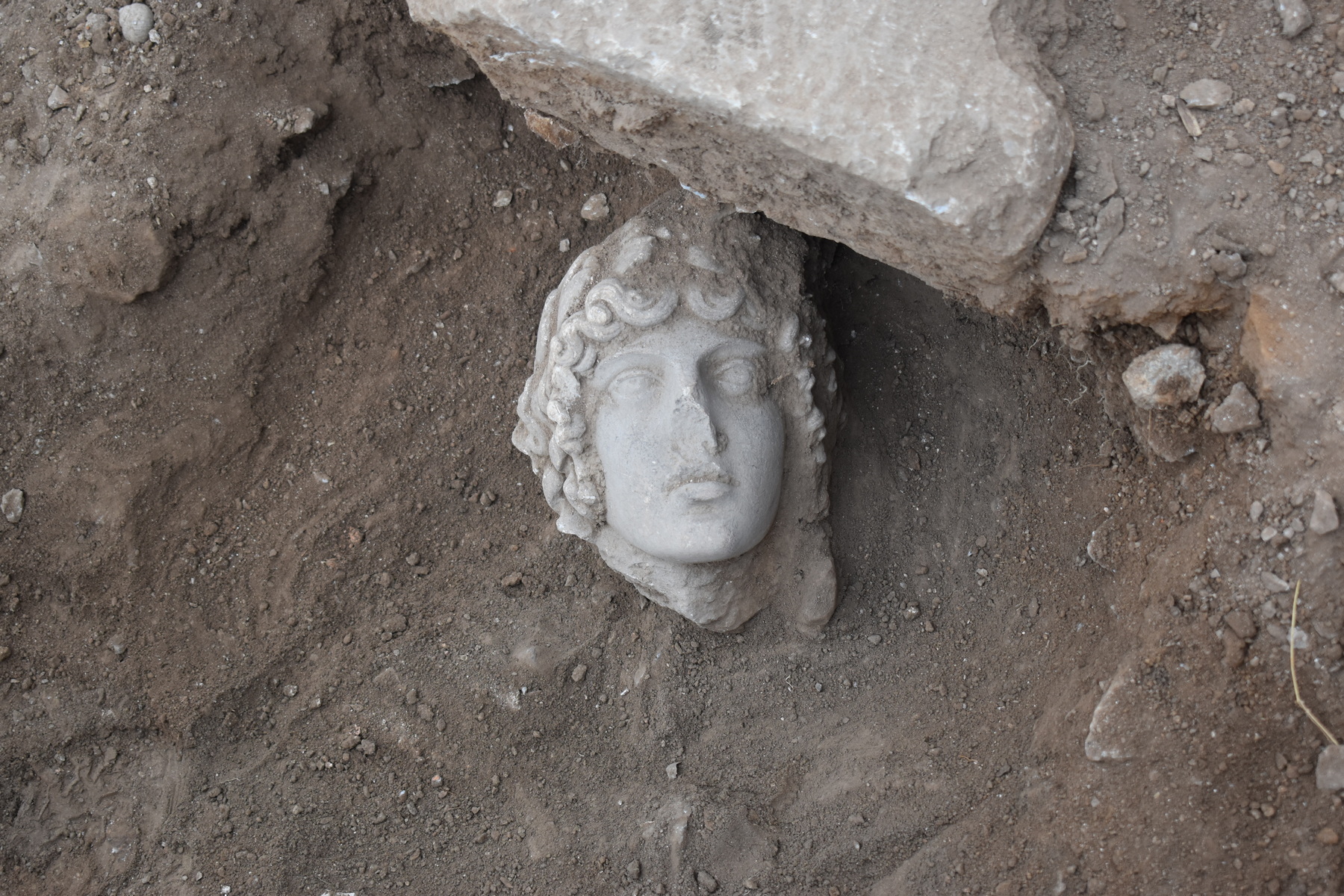
Other significant works are the ‘Marciante’ Artemis, recovered in 2001 after a five-year fight against traffickers who commissioned no fewer than five copies in a bid to sidetrack art cops; an Apollo found at the villa of famous Ancient Roman jurist Domitius Ulpianus at Santa Marinella near Rome; and a statue of the tragic Greek mythological mother Niobe from an ancient Roman villa, reunited for the first time with its head, recently identified in Poland.

That’s just the beginning. The exhibit lays out the history of the rise of a sense of Italian cultural patrimony, a feeling which grew from the Renaissance and long pre-dated political unification.

For example, the British Museum, not satisfied with the fruits of Elgin’s rape of the Acropolis, had its leer fixed on the Doric friezes of the Greek temple complex in Selinunte, Sicily. These friezes are in a unique style and widely considered to be the oldest extant examples of Greek sculpture.

They were saved from a fate worst than death by a law passed in pre-unification Italy. The BM had to be content with plaster casts.

Cool, right? I had no idea.

I love the scope of this exhibit. You can’t beat the location, and it’s such great publicity for the Carabinieri art squad, who have done an amazing job addressing the problem of systemic looting of heritage sites not just in Italy itself, but also when they were deployed in Iraq after the invasion.

For more detail on the exhibit, see this New York Times story.

Copper Age began earlier than we thought

Wednesday, October 8th, 2008

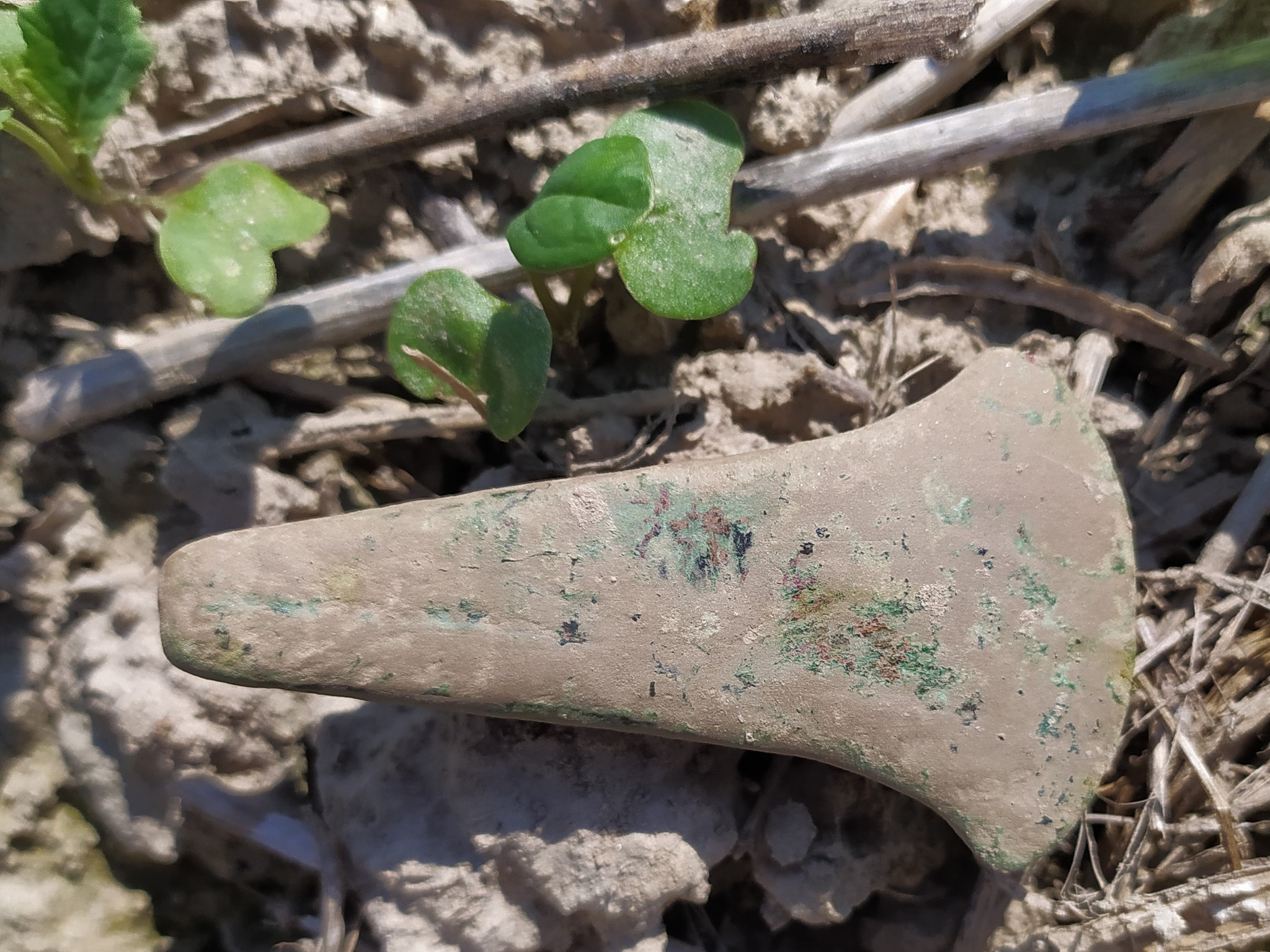
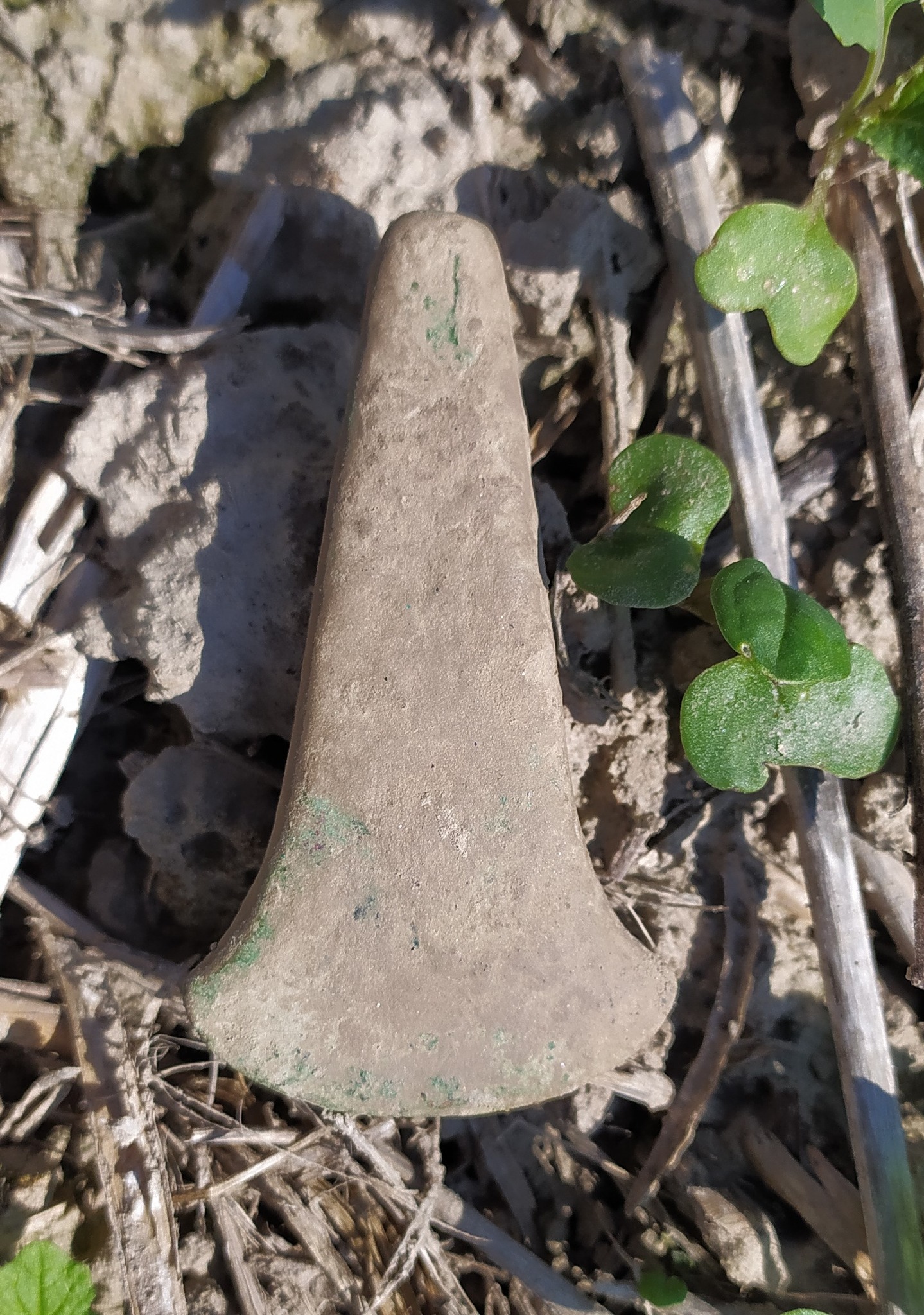
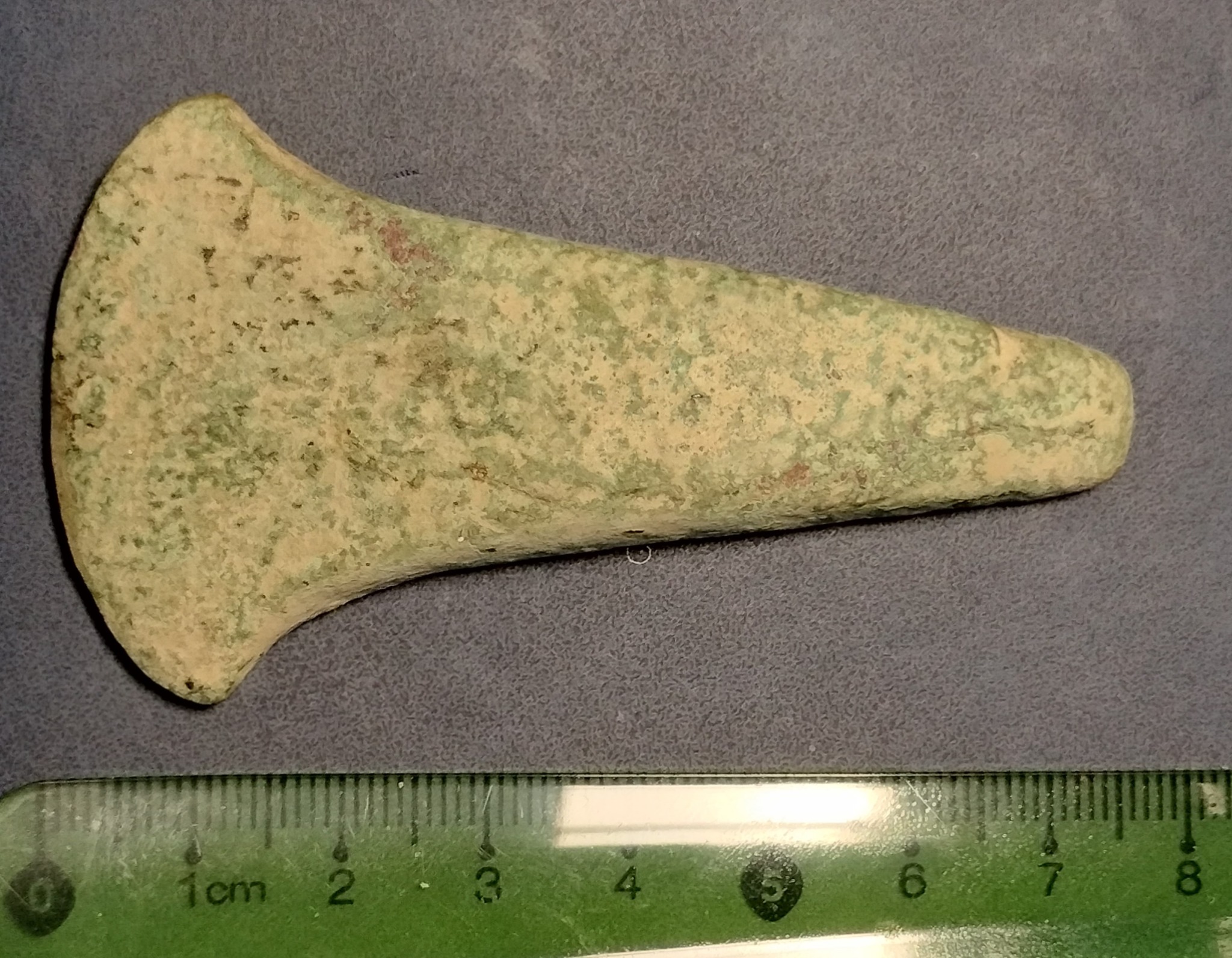
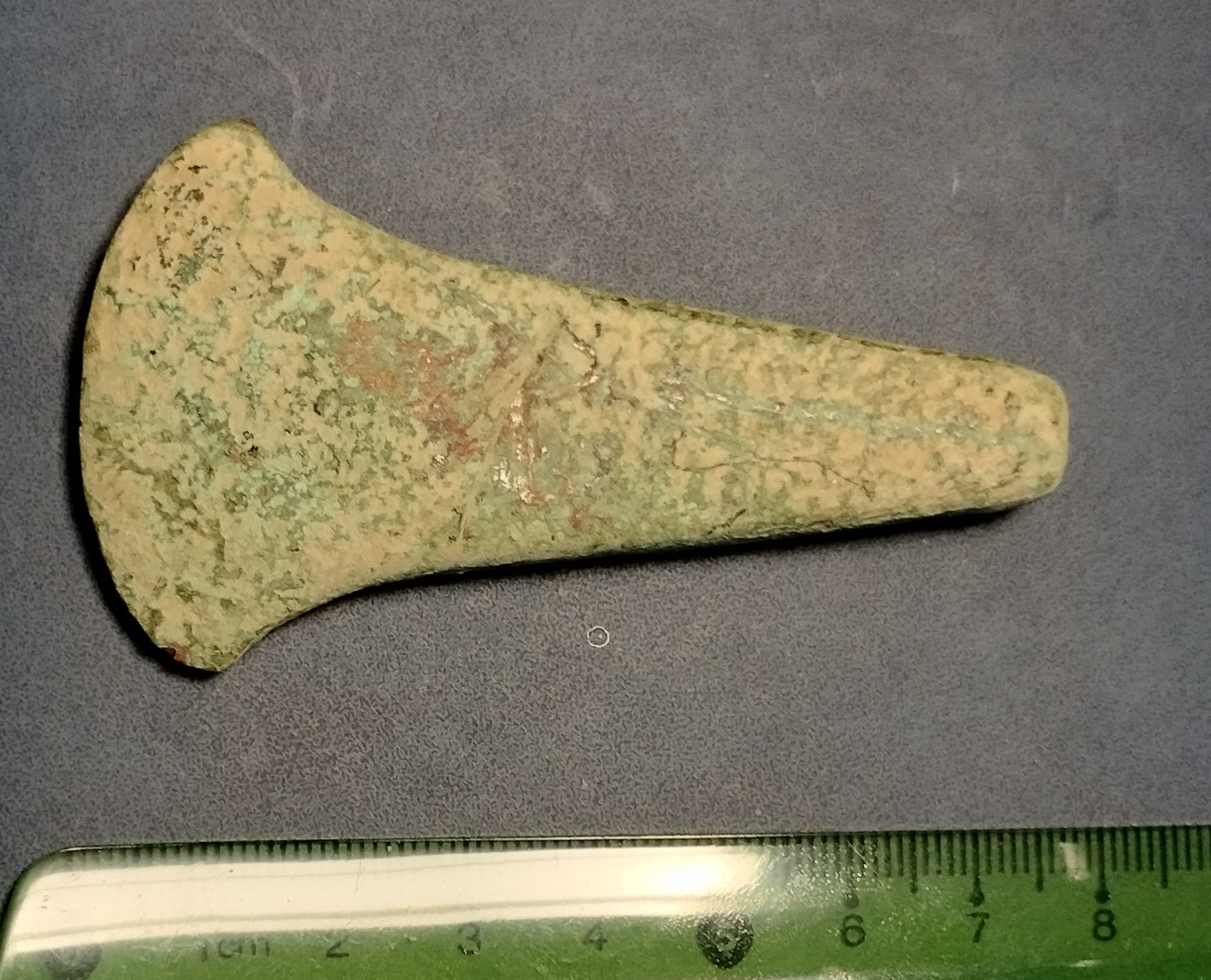
A a 7,500-year-old copper axe found at a neolithic site in Serbia shows that copper was being used in Europe earlier than we thought.

The find near the Serbian town of Prokuplje shifts the timeline of the Copper Age and the Stone Age’s neolithic period, archaeologist Julka Kuzmanovic-Cvetkovic told the independent Beta news agency.

‘Until now, experts said that only stone was used in the Stone Age and that the Copper Age came a bit later. Our finds, however, confirm that metal was used some 500 to 800 years earlier,’ she said.

Archaeologists excavating the site also found pots and furnaces with metal residue, suggesting people might have fabricated metal goods on the site, not just used them.

Officers! Arrest that tenor!

Monday, October 6th, 2008

Placido Domingo sang at Chichen Itza Saturday night. “The world’s greatest tenor at one of the Seven Wonders of the Modern World,” the publicity materials say. “The world’s greatest tenor should be in the slammer,” the archaeologists retort.

Domingo’s concert inside Chichen Itza violates a law that requires the ruins to be preserved to educate Mexicans about ancient cultures, said Cuauhtemoc Velasco, a leader of the archaeologists’ union.

“These monuments are not there so that rich people can hold events at them” said Velasco, noting the tickets cost between $45 and $900 in a country with a minimum wage of about $4.50 per day.

For present-day Mayas like Amadeo Cool May, who hosts a Mayan-language radio program, the concert “is an event for foreigners who come here on vacation. It is something completely alien to the Mayas, because of the ticket prices and the type of music.”

Judging solely from the sketchy info in the article, I would say the legal beef is a tad thin on substance. The concert is not going to destroy the ruins or keep them from educating Mexicans about Mayan culture.

The cultural argument, otoh, has some bite. The government in charge of protecting Mayan sites is basically selling them out to events that have no relevance to the Mayan community. I can see why they’d be pissed about that, especially when long-term health of the ruins can be compromised by excessive use.

Bosphorus chunnel dig reveals medieval shipwrecks

Sunday, October 5th, 2008

Workers in Istanbul are currently excavating a rail tunnel underneath the Bosphorus. Like the Chunnel linking France and England, only this one will link the continents of Asia and Europe.

The 2.6 billion dollar project began in 2004 and almost immediately encountered a major archaeological roadblock in the form of the 4th c. port of Eleutherios harbour where a railway hub was supposed to go.

Since then, they’ve found enormous piles of stuff, including over 30 shipwrecks transporting material from far and wide. These discoveries are writing a whole new chapter in the history of Byzantine trade.

Keep in mind that these shipwrecks are the first ever found in Istanbul, despite its fortuitous location straddling two seas.

For more on the Bosphorus finds, see this AFP story:

Egyptian skulls dug up in Manchester garden

Saturday, October 4th, 2008

The poor homeowner thought he’d bought a serial killer’s house when human skulls started turning up in the garden.

Instead, he was just the fortunate beneficiary of the previous homeowner’s bargain hunting in the Sinai peninsula.

After analysing them, they found the skulls to be Egyptian artefacts between 2,054 and 2,144 years old.

The owner of the skulls turned out to be the house’s previous owner Carl Bracey.

Dr Bracey had been on holiday in the Sinai peninsula in the Middle East as a teenager when he was offered the skulls.

He brought them back to England and had kept them ever since.

His partner however was not fond of the skulls and repeatedly asked him to dispose of them as they frightened the children.

Wussies.

Anyway, the skulls are back in Egypt now, happily repatriated.

New bacteria species found in Roman catacombs

Thursday, September 25th, 2008

Scientists have found 2 new species of the Kribbella bacterium on the walls of the catacomb of St. Callistus. This is significant not only because, hey, new life forms here, but also because studying the wall-chewing bacteria might help with conservation efforts.

By studying bacteria that ruin monuments, the researchers hope to develop methods of protecting cultural heritage sites such as the catacombs in Rome. The two new bacterial species discovered in the tombs also have the potential to produce molecules that have useful properties, like enzymes and antibiotics.

“The special conditions in the catacombs have allowed unique species to evolve,” said Professor Dr Urzì. “In fact, the two different Kribbella species we discovered were taken from two sites very close to each other; this shows that even small changes in the micro-environment can lead bacteria to evolve separately.”

It’s big news, of course, and potentially great news, but it’s set against the bad news that the catacomb walls are decaying.

A little chunk of Elgian marble returns home

Tuesday, September 23rd, 2008

It’s not any of the major pieces of the Parthenon frieze controversially housed in the British Museum. Lord Elgin gave this fragment to the British consul-general of Sicily when he was passing through with his ill-gotten gain in 1816.

It’s been in Sicily ever since, and now it’s finally home, personally transported to Athens by Italian President Giorgio Napolitano.

The sculpted fragment of the ancient Greek hunt goddess Artemis, part of the eastern Parthenon frieze depicting the twelve gods of Olympus, had been in the collection of the Antonio Salinas Archaeological Museum of Palermo.

Greece had sought to secure its return for 13 years, the Greek culture minister said.

The fragment depicts the goddess’ right foot and part of her long robe.

“For the first time in nearly two centuries, a valuable fragment of the Parthenon’s sculpted decoration returns to be embodied where it belongs,” Culture Minister Michalis Liapis told reporters.

Hint, hint. Ever since the New Acropolis Museum opened, Greece has been putting serious pressure on the British Museum to return the Parthenon Marbles.

The BM hasn’t been receptive to Greek entreaties, needless to say. Collecting fragments of the frieze scattered about is a great way to keep the situation in the papers and to make the British Museum look like a dick for not being willing to even consider what other countries are doing.

Edit for clarification: The piece is on loan to Greece. It will return to the Palermo museum at the end of the year.

:hattip: commenter Mark Watson

Early results from the Stonehenge dig

Monday, September 22nd, 2008

The recent Stonehenge dig is already revising historical assumptions. Radiocarbon dating of bluestone fragments indicates that the first ring of stones was erected 300 years later than previously thought.

Until now, the consensus view for the date of the first stone circle was anywhere between 2600BC and 2400BC. [...]

The dig unearthed about 100 pieces of organic material from the original bluestone sockets, now buried under the monument. Of these, 14 were selected to be sent for modern carbon dating, at Oxford University.

The result - 2300BC - is the most reliable date yet for the erection of the first bluestones.

The professors in charge of the excavation, Tim Darvill and Geoff Wainwright, think this dating supports their theory of Stonehenge as temple of health, a “Neolithic Lourdes”. I’m not sure why, exactly.

The article mentions the “Amesbury Archer” dates to this same time frame. The profs think he dragged his cookies to Stonehenge to get a cure, but even if it we knew for sure he was buried after the bluestones went up (which we don’t, and most likely won’t be able to find out until dating technology gets a lot more specific), I don’t see how we could know his reasons.

Other theories fit the data as well, like the burial ground theory.