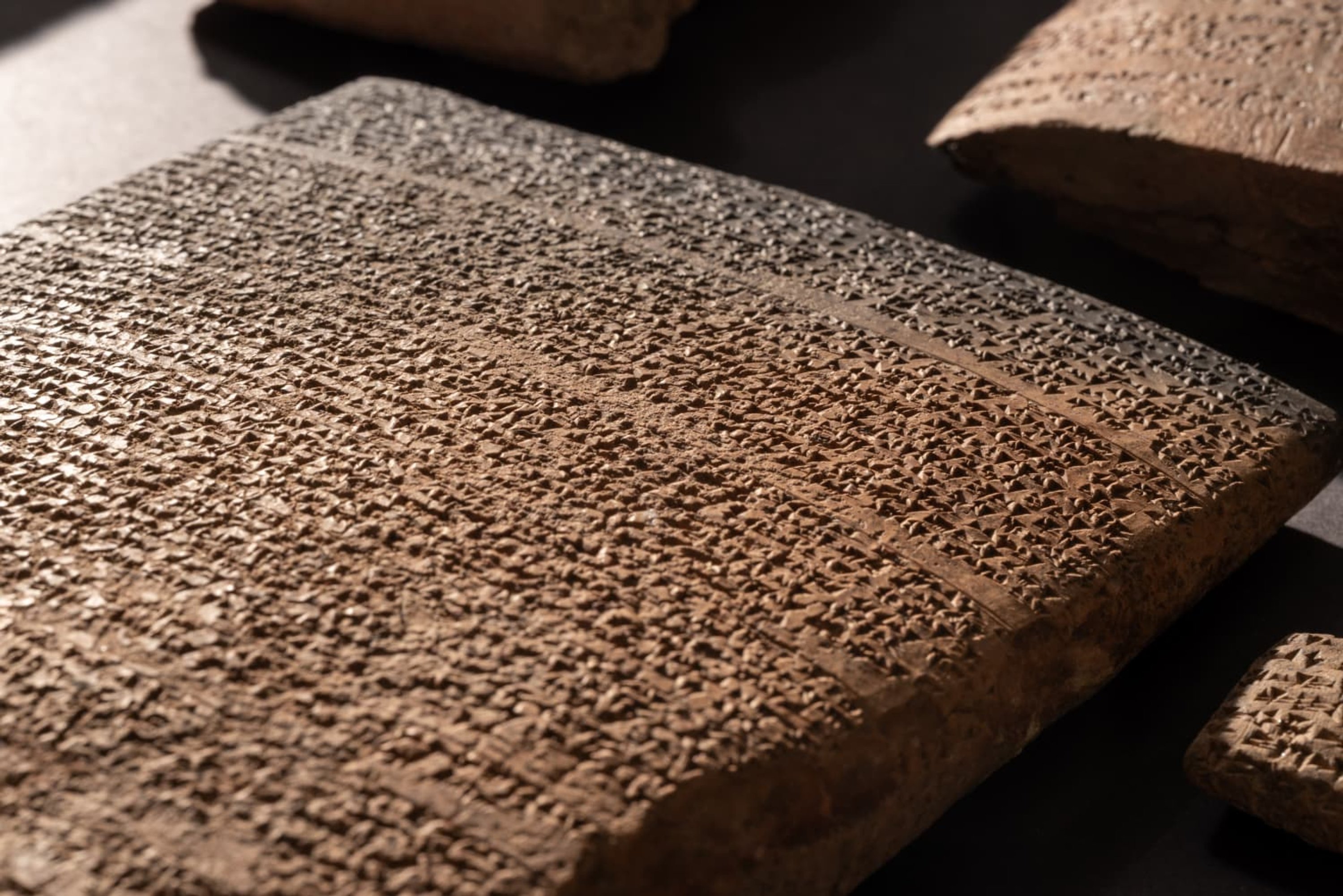
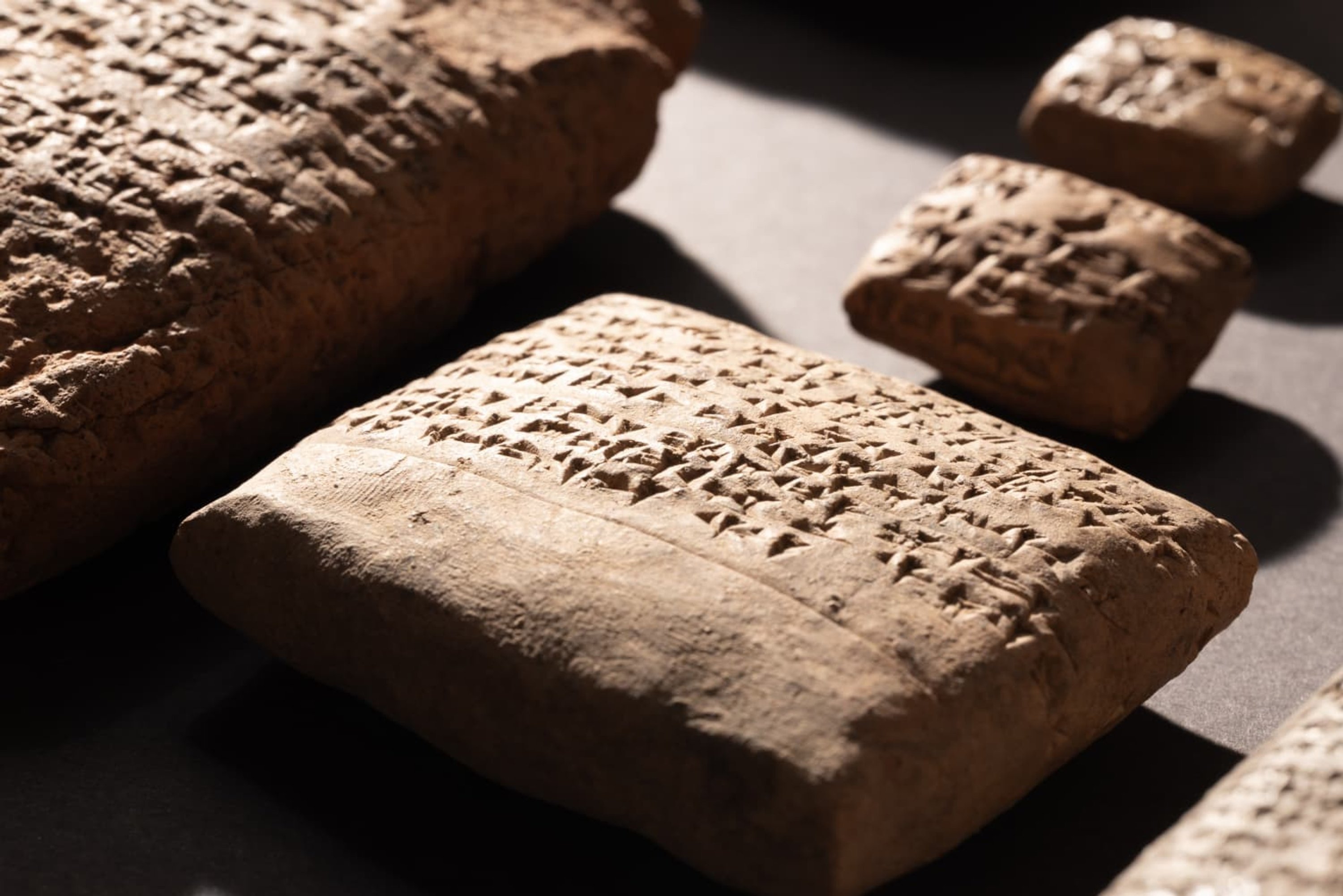
 Archaeologists have uncovered a royal archive of cuneiform tablets in the ancient Hittite city of Samuha, modern-day Sivas, central Turkey. This year’s excavation unearthed 131 cuneiform tablets and fragments which record an epidemic of fever, military logistics, religious practices and events of royal daily life 3,400 years ago. Last year’s excavation uncovered 53 cuneiform tablets and fragments, so this season’s discoveries more than triple the number of texts. It is now the largest, most comprehensive archive of Hittite-language documents found in the 21st century.
The records date to the reign of King Tudhaliya II, and are written in Hittite and Hurrian. One text tells of a fever epidemic that struck the infant daughter of the king. She was still a nursing baby when she became ill. She never recovered from the fever and her health declined precipitously until she passed away. The cuneiform tablet records the funerary ritual that followed.
 The health of the princes and princesses, not just babies but even up to adulthood, was an important focus of the records. The children of high-ranking imperial officials were given the same attention. Because illness was considered an expression of divine will, religious leaders performed many rituals to keep an eye on the physical health of the children of kings and government officials.
Another notable document is a letter from Hittite generals in western Anatolia appealing to the king for reinforcements in men, horses and chariots to fend off enemy forces. The generals’ warnings are dire. They plead that without an infusion of strength, the army would be destroyed by the enemy. They have the temerity to disclaim all responsibility for any upcoming failures if the reinforcements don’t come.
 It’s a rare glimpse into the realities of military logistics with armies long distances from the king and court. The text also confirms that the king was at Samuha when the letter arrived, underscoring the city’s political importance. It was a royal stronghold for King Tudhaliya during times of military and political upheaval. His successor Suppiluliuma I used it as a launching pad for military campaigns that consolidated and expanded the territory of the Hittite Empire.
Samuha was also a major center of religious administration. Its patron deity was the goddess Sauska, goddess of love and war who was the Hurrian version of Ishtar and the most important goddess in the Hurrian pantheon. The association with the goddess was central to the city’s identity and was reflected in its religious ceremonies.
One tablet records the journeys of bird diviners who left Samuha and traveled through different regions. Their routes, the cities where they stayed and the birds they observed were recorded in a format resembling a diary. The documents also provide previously unknown information about how bird omens were observed, evaluated and interpreted by the Hittites.
The archive includes texts covering divination, correspondence, rituals and prayers, offering researchers new material for studying Hittite religious practices as well as the development of the Hittite language and scribal culture.