
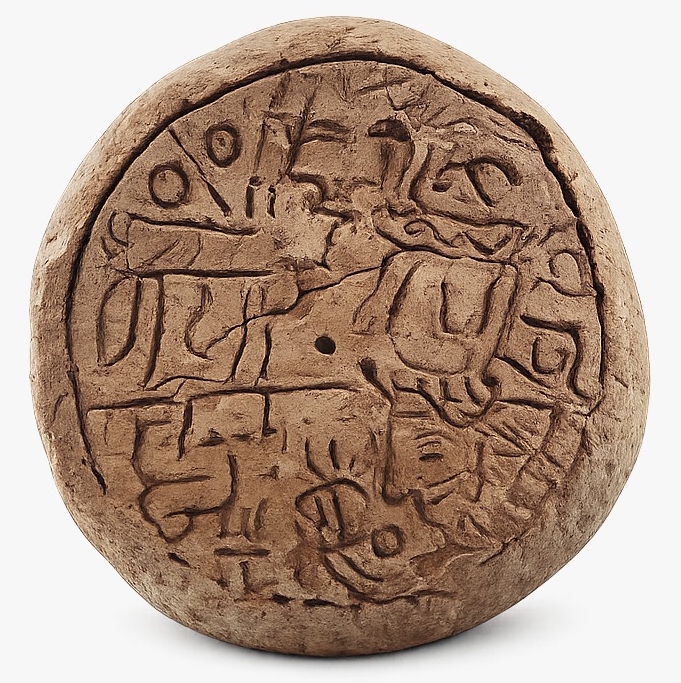
 A rare royal seal of the Kushan Empire has been discovered at the Sayyod historical site in southern Tajikistan. Carved with a Bactrian inscription and symbols of royalty, it is approximately 2,000 years old. The small clay seal is of outsized archaeological significance because of the information it contains which will shed new light on the Kushan period in Tajikistan.
The seal is made of fired clay and is in exceptional condition. It is made of two components: a seal handle perforated so it could be worn on a cord and the circular body of the seal. It is two inches high, a sliver wider than that in circumference. The motifs engraved on the seal are mirror images, a feature typical of official seals so that the seal impression would look right. It includes geometric symbols, a bust of a king wearing a crenellated crown, mountain goats, and emblems of royal authority as well as those of local rulers under the Kushan Empire.
The Bactrian inscription may prove especially valuable. Bactrian, an Iranian language written using a modified Greek alphabet, became an important language of administration under Kushan rule, making inscriptions on official objects particularly useful for reconstructing political institutions and personal titles.
If the inscription can be securely read, it may reveal a name, title or institutional connection and help determine whether the seal belonged to a royal official, a local ruler or another figure operating within the Kushan political system.
The combination of royal imagery and symbols apparently associated with local authority is equally intriguing. Rather than simply documenting imperial power, the seal may ultimately provide evidence for the relationship between Kushan rulers and regional elites in what is now southern Tajikistan.
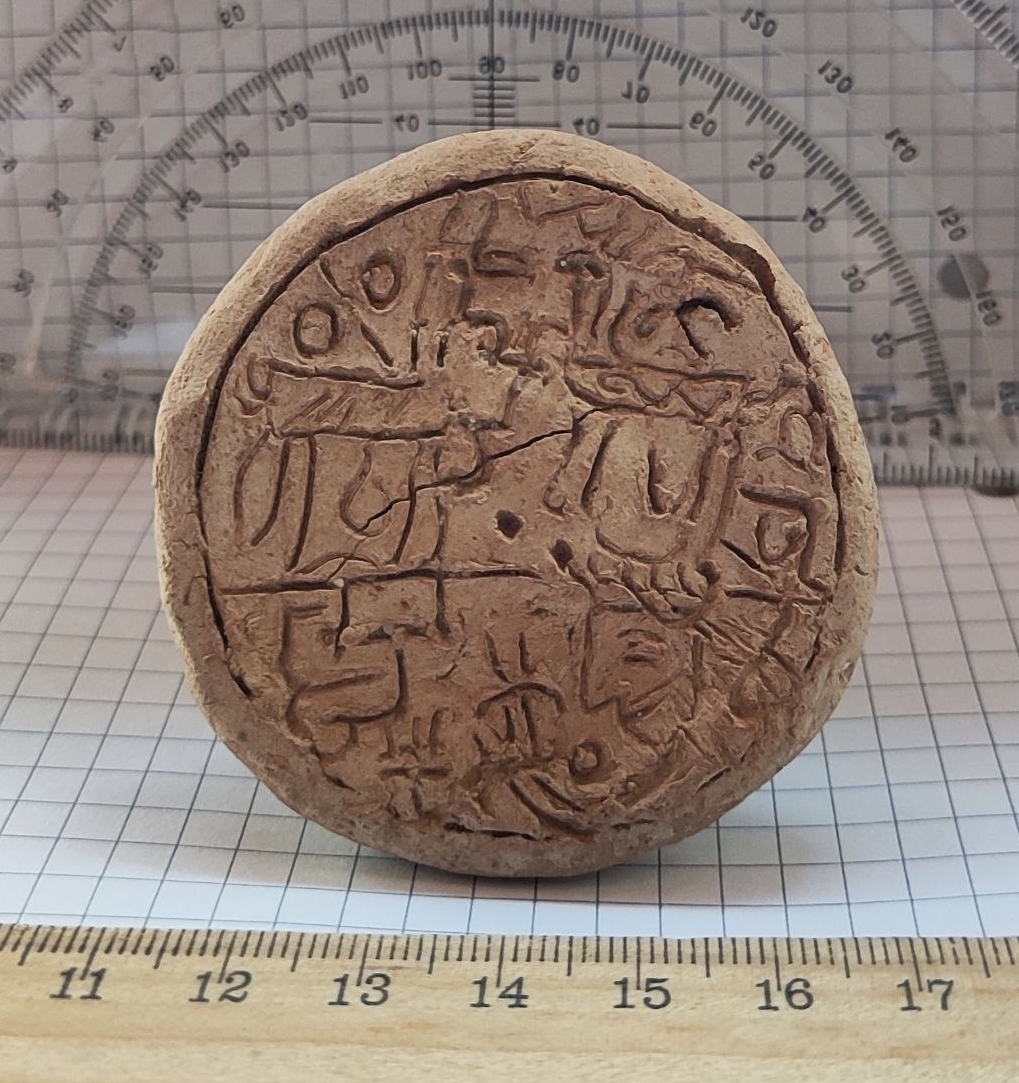
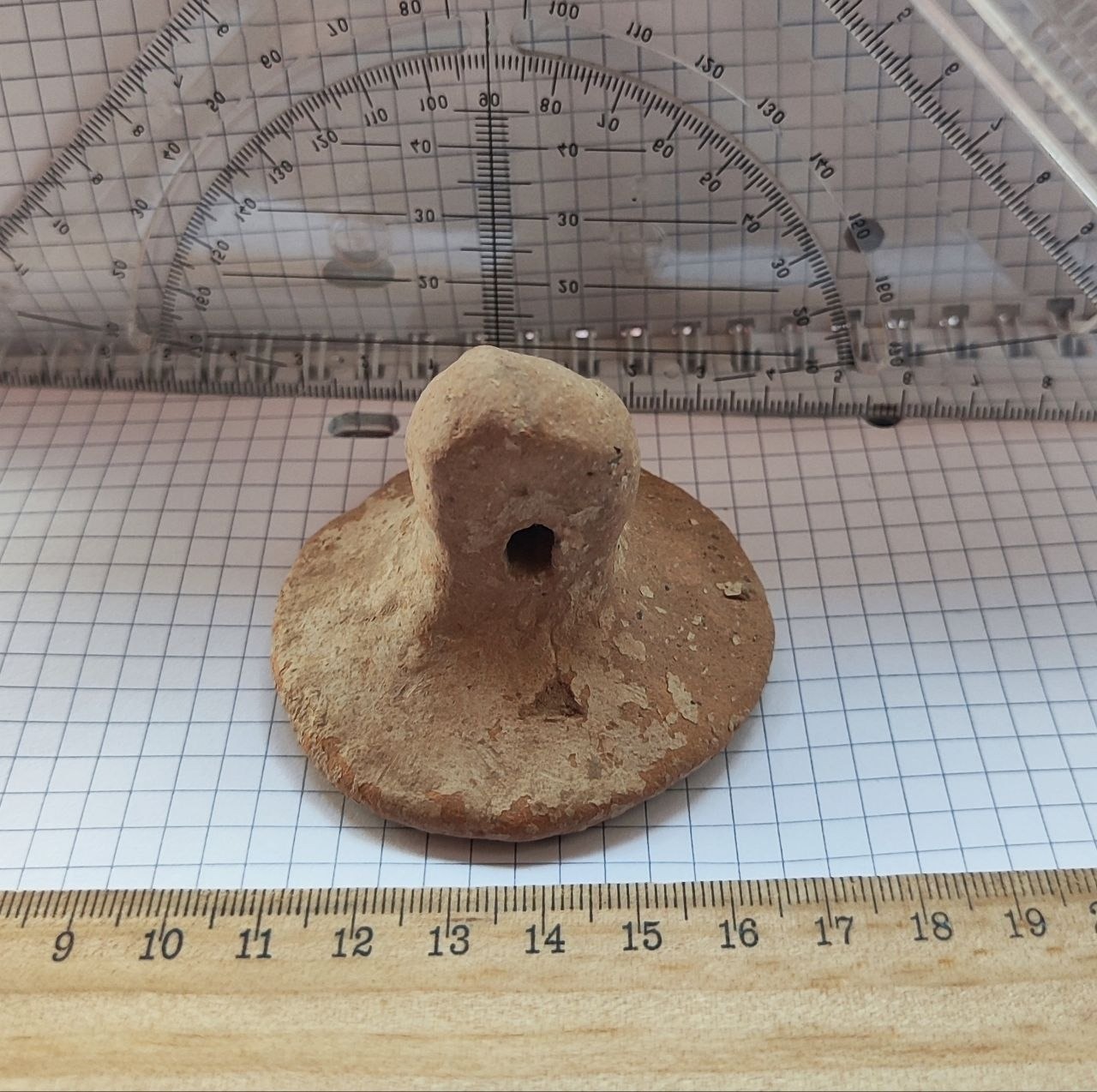 The seal is currently being studied by numismatics and epigraphic experts at the National Museum of Tajikistan to translate the inscription and answer the questions about who it belonged to, what kinds of documents it was used to authenticate and any additional information it may contain about Kushan administration in Central Asia.