Unusable bronze Iron Age weapons found in Oman

A team from the French Archaeological Mission excavating an Iron Age settlement near the town of Adam in northeastern Oman has discovered a cache of bronze weapons that were not usable as actual weapons. These are the first non-utilitarian weapons ever discovered in the Arabian Peninsula.

On the edge of the last oasis before the desert of Rub ‘al-Khali, the Adam area was virtually untouched by archaeologists until 2007 when the French Archaeological Mission first began to explore it. The mission’s fieldwork has unearthed a long human presence in the area: Lower and Middle Paleolithic occupation, a Neolithic settlement, two Bronze Age burial grounds and a group of Iron Age buildings at the foot of the Jabal Mudhmar mountain.
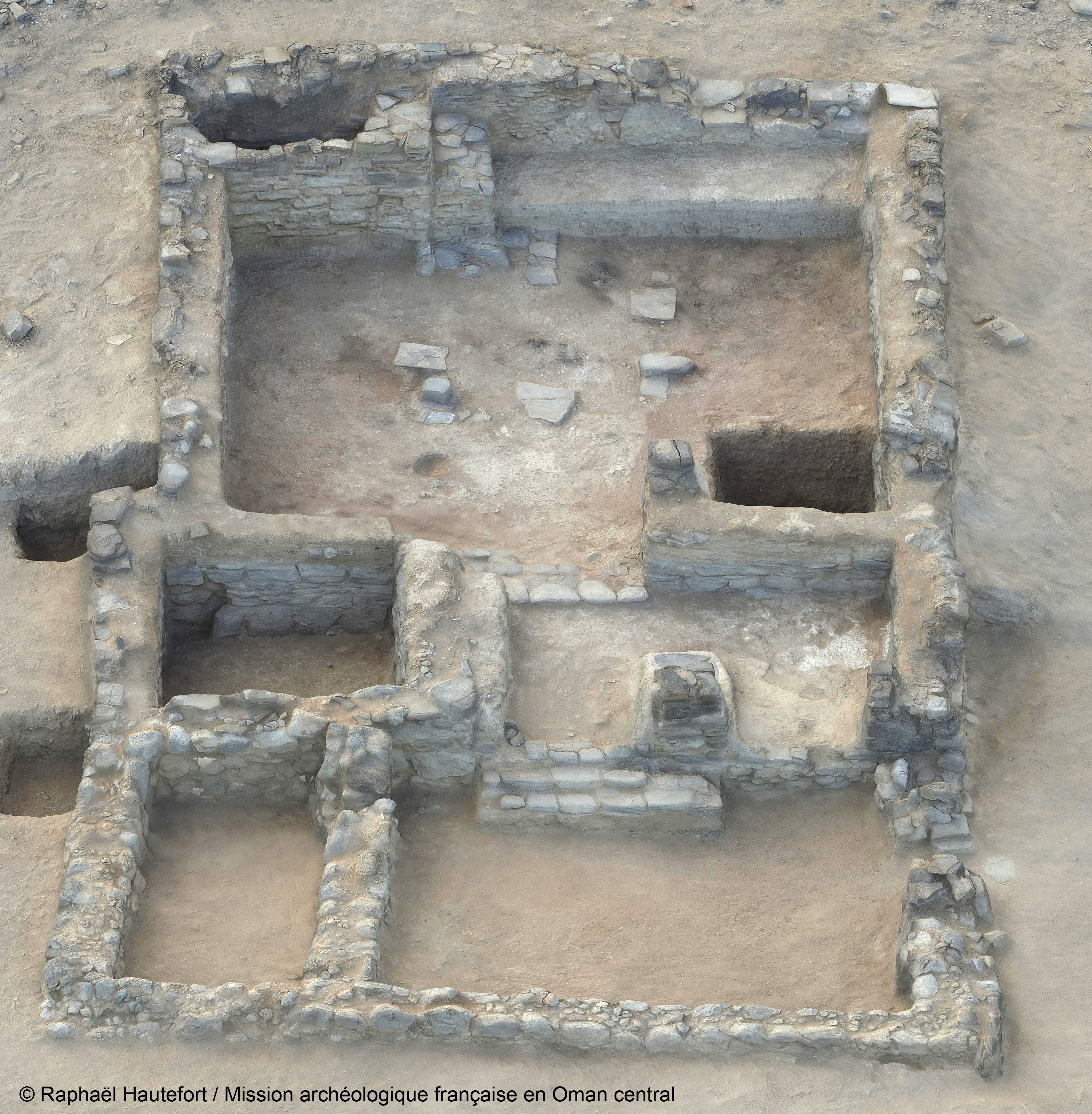
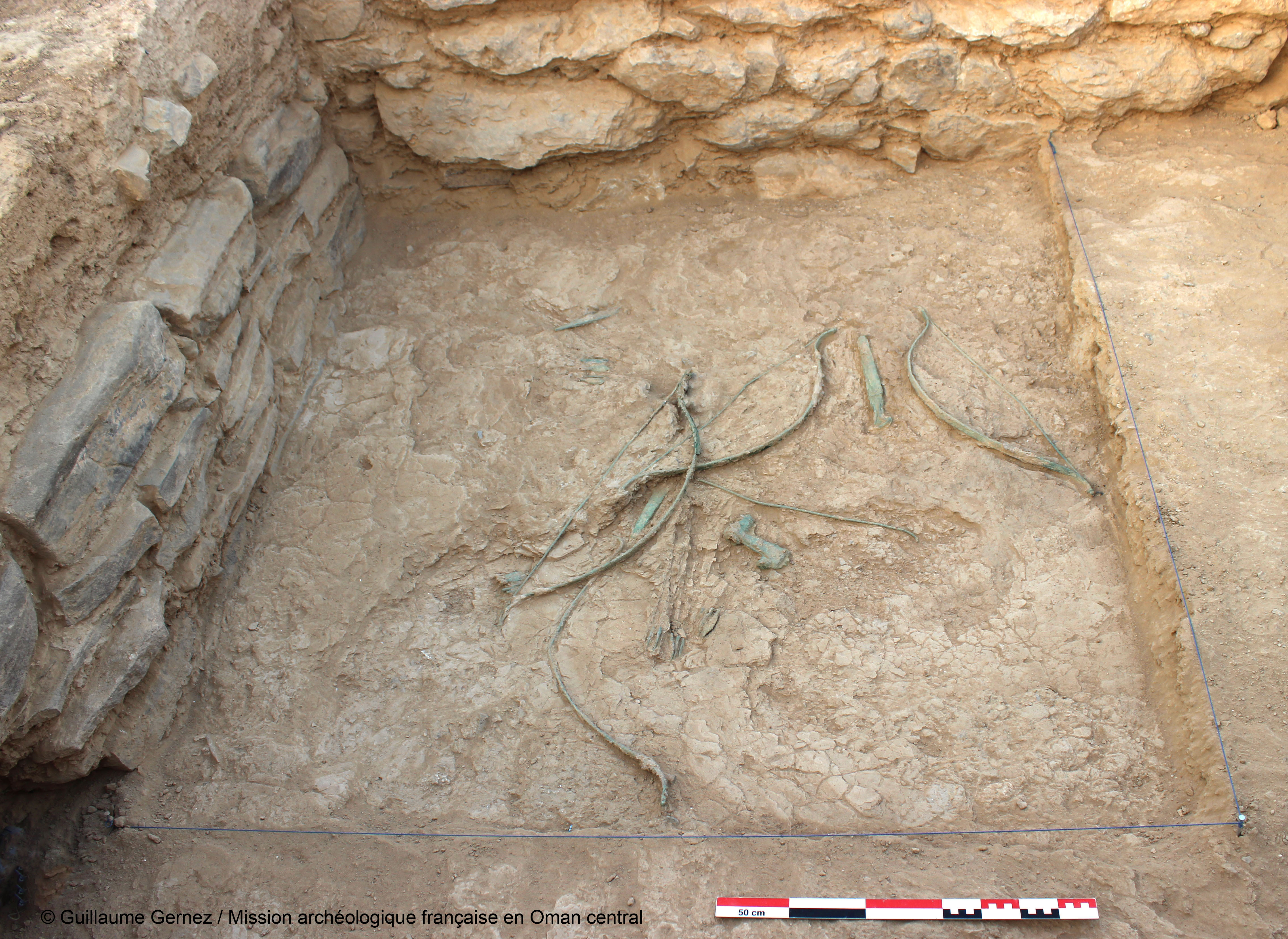
Dubbed Mudhmar East, the Iron Age site was discovered in 2009. It has two large buildings and several smaller ones. The larger of the two main buildings, about 50 feet long, is made of sandstone blocks and mudbricks and is divided into multiple rooms. One small room mid-way through the building on the side is entirely enclosed, with no doorway to the interior or exterior. It was in that room that archaeologists discovered a cache of bronze weapons during the 2015 excavation season. The objects date to the Iron Age II period (900-600 B.C.). The placement of the artifacts indicate they were not originally on the floor, but rather fell from shelves or possibly the walls.

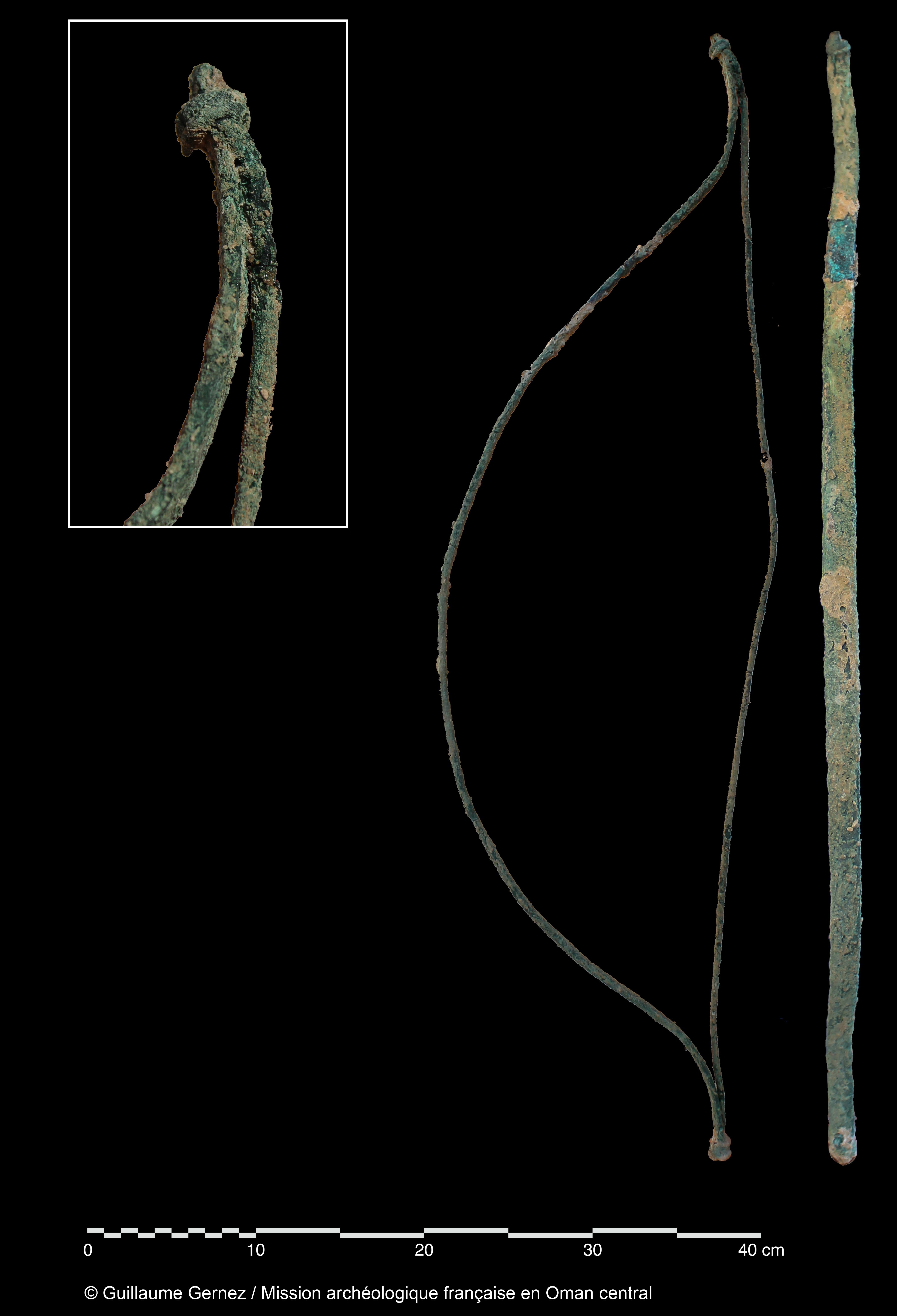
Within this collection of objects, two especially remarkable groups stand out. The first one consists of two small quivers entirely made of bronze, including the six arrows contained in each of them. Given their size (35 cm) [14 inches], these were small-scale models imitating the original objects made of perishable materials (leather), which are not usually found in archaeological excavations. The fact that they are made of metal implies that they were non-functional. Quivers of this kind have never been found in the Arabian Peninsula, and are extremely rare elsewhere.

The second group comprises metal weapons, which were mostly non-utilitarian (given their slightly reduced size, material and/or unfinished state). They consist of five battle-axes, five daggers with crescent-shaped pommels (characteristic of the Iron Age II), around fifty arrowheads, and five complete bows. The bows are made up of a flat, curved bowstave bent at both ends, which are connected by a string made of bronze. The size of the bows (70 cm [28 inches] on average), and above all the material used, shows that they were imitations of bows made of perishable materials (wood and tendons). Objects of this type have never been found before: bows made of metal were totally unknown in the Arabian Peninsula and the Middle East until now.

Since we know so little about the site and the weapons are unique, the French Archaeological Mission experts are not sure what their purpose was. The discovery of fragments of incense burners and snake figurines in the second large building suggest it may have been used for religious purposes. If so, the weapons may have been offerings to a war deity. Alternatively, they may have had some other function in this Iron Age society that archaeologists have yet to understand.
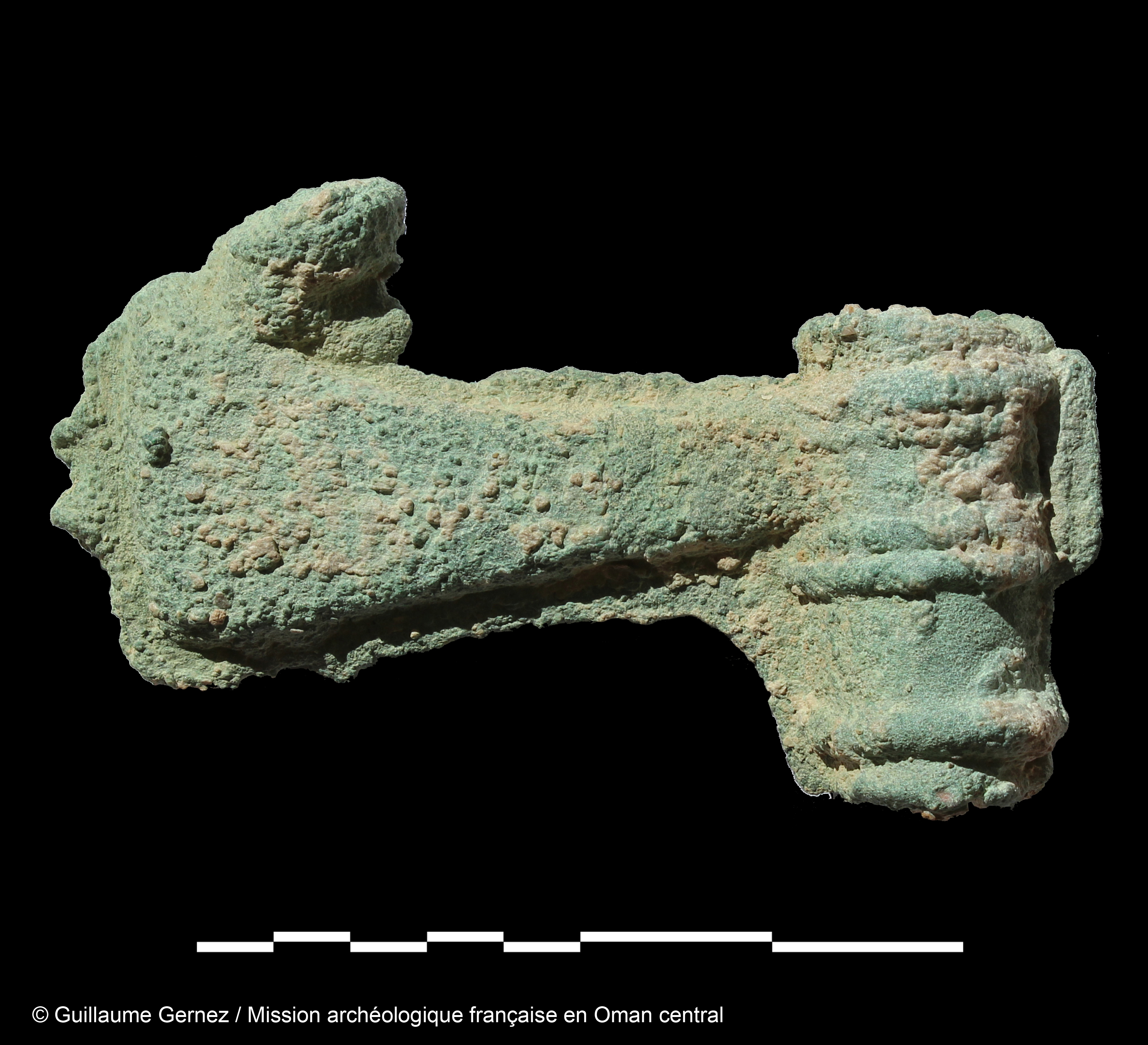
Meanwhile, the bronze weapons reveal much we don’t know about utilitarian Iron Age weaponry. They’re made out of different material, but the designs and types are the same as the kind of weapons people used in battle and the hunt. They were fabricated during a period when metallurgy in the eastern Arabian Peninsula was on the rise. The development of the craft paralleled a growth in societal complexity, reflected in the construction of monumental, fortified structures in Iron Age settlements.

Excavations at Mudhmar East are ongoing. Archaeologists are hopeful they will reveal more about Iron Age societies in the Arabian peninsula, the nature of the site and what role the non-utilitarian weapons played.

Only play with section believed to be in Shakespeare’s hand on display

A folio of a play thought to be written in Shakespeare’s own hand has gone on display at the Folger Shakespeare Library in Washington, D.C., alongside 50 other of the most important manuscripts and printed books related to the Bard. The Shakespeare, Life of an Icon exhibition displays pieces from the Folger’s collection plus loans from the University of Oxford’s Bodleian Library, the British Library, the Kings, Heralds, and Pursuivants of Arms, the London Metropolitan Archives, the UK’s National Archives, the University of Edinburgh, the University of Illinois at Urbana-Champaign, the Shakespeare Birthplace Trust and The Worshipful Company of Stationers and Newspaper Makers. Many of these exhibits have never been shown in the United States before. Some haven’t been shown anywhere ever.

It’s a fascinating combination of the literary and mundane which reveal Shakespeare the man, actor and playwright. There’s Shakespeare’s copy of the contract to buy New Place, his last home in Stratford-upon-Avon, diary entries from people in the audience at his plays, the 1623 First Folio of his collected works, the only surviving letter written to Shakespeare and the only surviving copy of the first edition of Titus Andronicus which was the first Shakespeare play printed.

The only known account of Shakespeare’s death in on display as well. It’s a diary entry by John Ward, physician and vicar of Stratford-upon-Avon, written in the early 1660s, almost 50 years after the Bard’s death. He wrote: “Shakespeare, Drayton, and Ben Jonson had a merry meeting and it seems drank too hard for Shakespeare died of a fever there contracted.” Shakespeare was friends with playwright Ben Jonson and although we have no explicit records of a friendship with poet Michael Drayton, they traveled very much in the same circles and would almost certainly have known each other. No contemporary accounts of how Shakespeare died and of what have survived.

The play with Shakespeare’s handwriting wasn’t actually written by him alone. The Booke of Thomas More was the collaborative effort of several writers. Its main author was Anthony Munday who wrote it between 1596 and 1601. He submitted this copy (the original draft is lost) to Edmund Tilney who had the Spuds McKenzie title of Master of the Revels but the distinctly unrevelrous job of crossing out politically sensitive material. Once he was done marking the whole thing up in red pen, Munday brought in some help to rework the script. Henry Chettle is believed to have contributed first, possibly followed by Thomas Dekker, Thomas Heywood and William Shakespeare.

Despite all the changes, the play about Henry VIII’s Catholic Lord Chancellor who was executed for refusing to acknowledge the king was the head of the church was never printed. There are no surviving records that indicate it was ever performed. Most of the time there are no such records, so there’s no reason to assume the play was shut up in a drawer and forgotten about. It was probably staged and just not remarked up, like the vast majority of other plays from the period. The British Library’s manuscript on loan to the Folder is the only surviving copy of the play in the world.

The portion of the play thought to have been written by William Shakespeare is a three-page revision of a (fictional) speech delivered by Thomas More to anti-immigrant rioters during the Evil May Day Riots of 1517. Tilney objected to the scenes of the riots because economic hardship and potentially violent hostility to foreigners were again major issues when he wielded the censor’s pen and he didn’t want to angry up the blood, to quote Abe Simpson. In Shakespeare’s revision, therefore, the focus of Sir Thomas More’s speech was keeping the peace.

You can read a transcript of the pages here. (Scroll down to the Semi-diplomatic transcription and click Expand.) The original spelling and the formatting might make it a tad hard to read. Thimble summary: More decries the rioters’ violence, appeals to them to empathize with the foreigners, notes that their violence might beget more violence and chaos and lastly invokes the divine authority of the King which makes all violations of the King’s laws a sin against God himself.

The oratory matches the playwright’s poetic style. Because only six signatures of Shakespeare’s on four legal documents and no other writing have survived, authenticating the revision as written by Shakespeare is a challenge. With only his signed name to go on, the sample size is so small letter-by-letter comparisons can’t be definitive so the attribution is disputed by some scholars, but it’s been generally accepted since the mid-20th century. Scholars have named the contributor of the passages believed to be by Shakespeare “Hand D.”

The complete manuscript is currently being digitized. A version was published in 1911 that had photographs of some of the manuscript, but they’re blurry and not really readable. It Harley MS 7368 will be available to peruse in high resolution next month in the British Library’s Virtual Books gallery.

Shakespeare, Life of an Icon runs through March 27th at the Folger, after which the documents will move to the British Library where they will be on display as part of its Shakespeare in Ten Acts exhibition.

Here’s a timelapse video of the installation of the exhibition at the Folger. I like how they project elements onto the ceiling to give an immersive feel.

[youtube=https://youtu.be/nb6b6D7O84I&w=430]

Frozen cave lion cubs studied and sampled

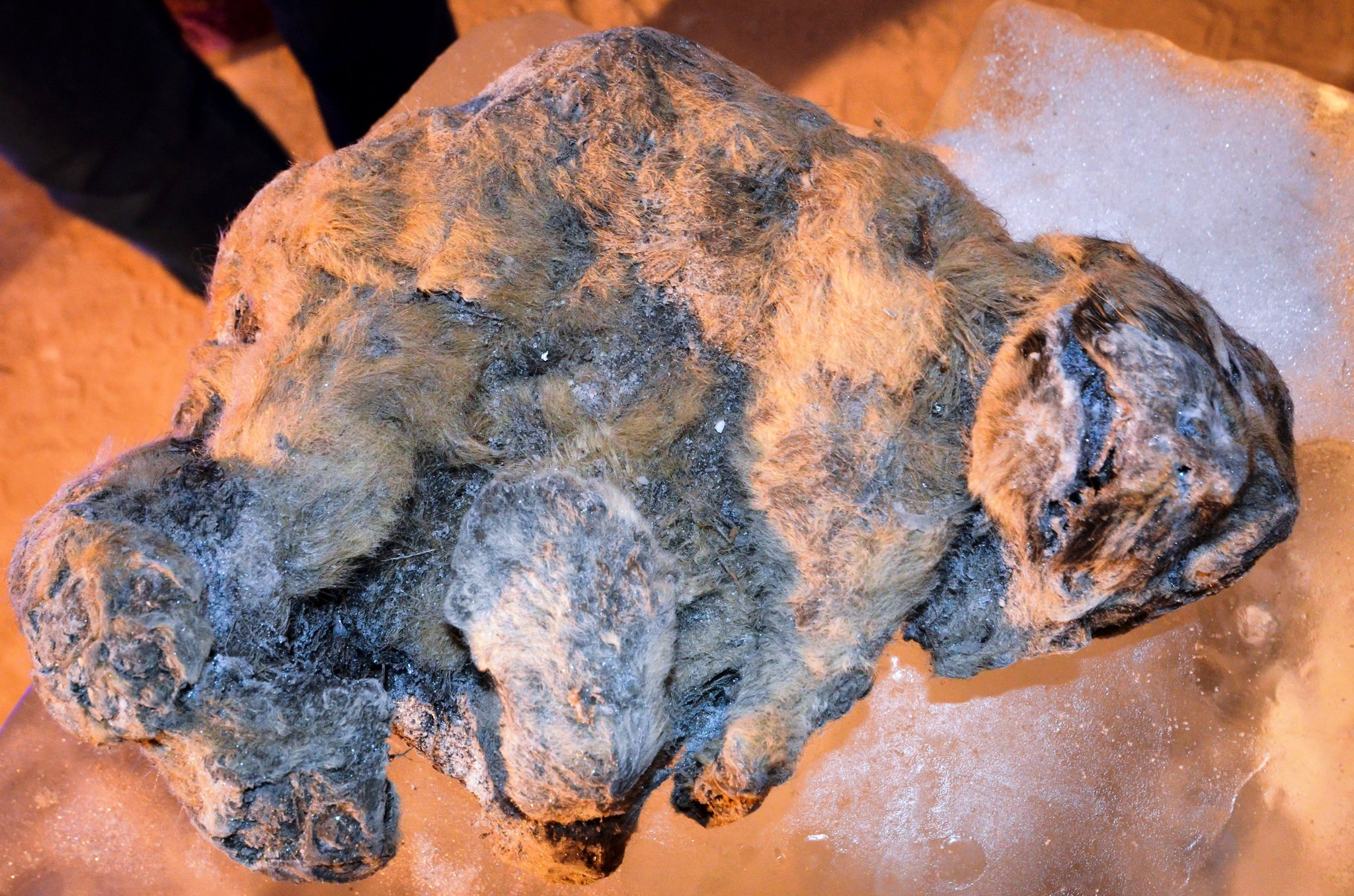
Last summer, two cave lion cubs were found in the permafrost on the bank of the Uyandina River in Yakutia, Siberia. The water levels of the river had risen with the warmth of the summer. When the waters retracted, cracks appeared in the banks. Yakov Androsov, a contractor with the Academy of Sciences of the Republic of Sakha (Yakutia) who was in the area collecting mammoth tusks, spied some ice with something inside it in one of the cracks. Upon closer inspection, he recognized the remains of prehistoric felines in the ice. He quickly placed them in a glacier to preserve them.

When the remains were recovered and examined by experts from the Academy of Sciences, they were identified as two very young Pleistocene cave lion cubs in exceptional condition. The cubs have been named Uyan and Dina after the river where they were found. Both are almost complete, Uyan more so than Dina, with body parts intact. Fur, legs, ears, eyes, tails, soft tissue, even their whiskers were preserved by the deep freeze. The lions were very young when they died, no more than two weeks old. Their eyes weren’t open and all of their baby teeth hadn’t grown in yet. They are about the size of plump house cats.

These are by far the most complete remains of cave lions ever found. Worldwide, only bones, partial skeletons and carcass fragments of cave lions have been found before this discovery. In Yakutia, it was only a few skulls, teeth and individual bones. Those limited remains and Stone Age cave art were the sole sources of information scientists had what cave lions looked like. The preservation of the cubs will answer a great many questions about the species.

Scientist Dr Gennady Boeskorov said: “The main complexity of our task is that here we have not adult lions, but cubs, so we are searching for the specialists experienced in the research of cubs. It’s interesting to see the adaptive mechanisms, which helped them to survive in the cold. They definitely differed from the modern lions, and we think there should be something that allowed them to adapt to the climate.”

Dr Protopopov said: “We suppose that the cave lioness behaved like the modern lioness in pride,” he said. “It seems like she gave birth to the cubs and hid them in cave or hole to protect from the hungry lion. Then the landslide covered it and they remained surrounded in permafrost. Also the air intake was blocked, and this helped their preservation.”

Cave lions went extinct about 10,000 years ago, so the cubs are at least that old. The remains will be radiocarbon tested for a more precise date range. Scientists from all over the world will contribute to the study of these little guys in the hope we can learn more about how they lived and died, their familial relations and what they ate.

Earlier this month, Dina, the less preserved of the cubs, was partially thawed and had samples taken at the Mammoth Museum in Yakutsk so tissues could be studied under the microscope. Also present was controversial South Korean cloning expert Professor Woo Hwang Sok who wanted samples of his own for a potential cave lion cloning project. He’s taken mammoth samples before, but there is a big difference between a mammoth carcass and a lion cub and the Yakutian Academy of Sciences refused to let him take a piece of the cub large enough to satisfy him.

The Korean professor wanted a large section, such as part of the skull or a leg but this was opposed by the local experts who are anyway withholding one of the cubs from any research – the better preserved of the pair, called Uyan – confident that more advanced techniques in future years will ensure more is gleaned from it than if research is done now.

[Dr. Protopopov] revealed: “The dispute arose from the fact that the researchers, as always, want to be completely sure and take more tissue, and I can understand them. But the lion is not fully preserved and there are not so many tissues. We have planned other studies, so it is important to preserve the original morphology of the remains. Such disputes are normal in all studies, and in the end we came to a compromise.”

Director of the Mammoth Museum Semyon Grigoriev defended the decision to limit the sample available to the cloning guru. “The Koreans are sceptical and unhappy with the samples,” he said. “They expected to take more, as they did with the mammoth previously. But it will not work with these little kittens.”

Besides, I have yet to see any results from these ancient cloning studies. The institute Woo Hwang Sok leads, Sooam Biotech Research Foundation, does have a lot of material on its website about cloning your dead dog, though.

The glorious Mogao cave temples and the earliest printed book

Legend holds that in 366 A.D., a Buddhist monk named Yuezun saw a vision of a thousand Buddhas on the face of a cliff near the town of Dunhuang in the Gobi Desert of northwest China. He began digging caves into the cliff face to make his vision a reality. Who knows if there was a Yuezun who had a vision, but it’s undeniable that in the 4th century, Buddhist monks began to dig grottoes into the cliffs and they didn’t stop for a thousand years.

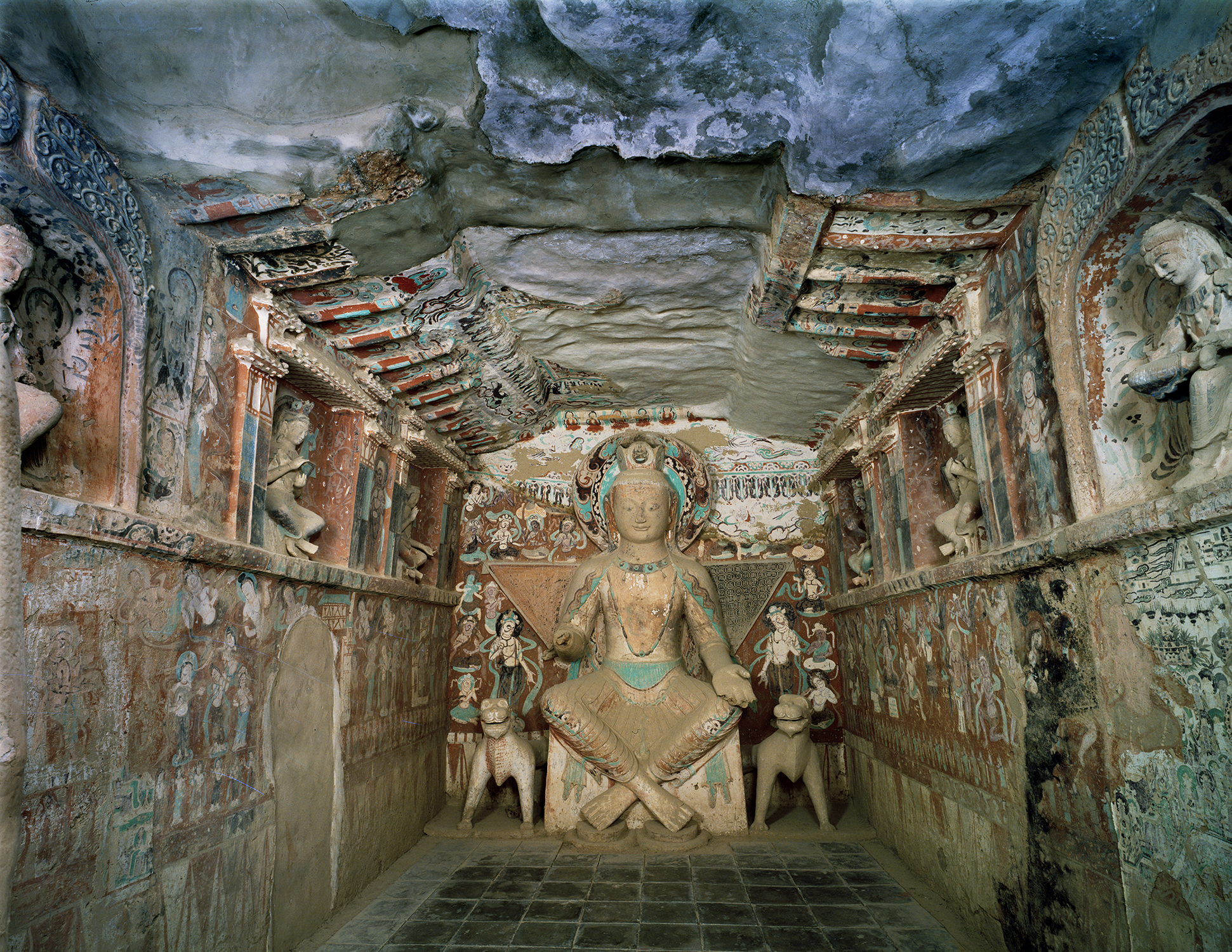
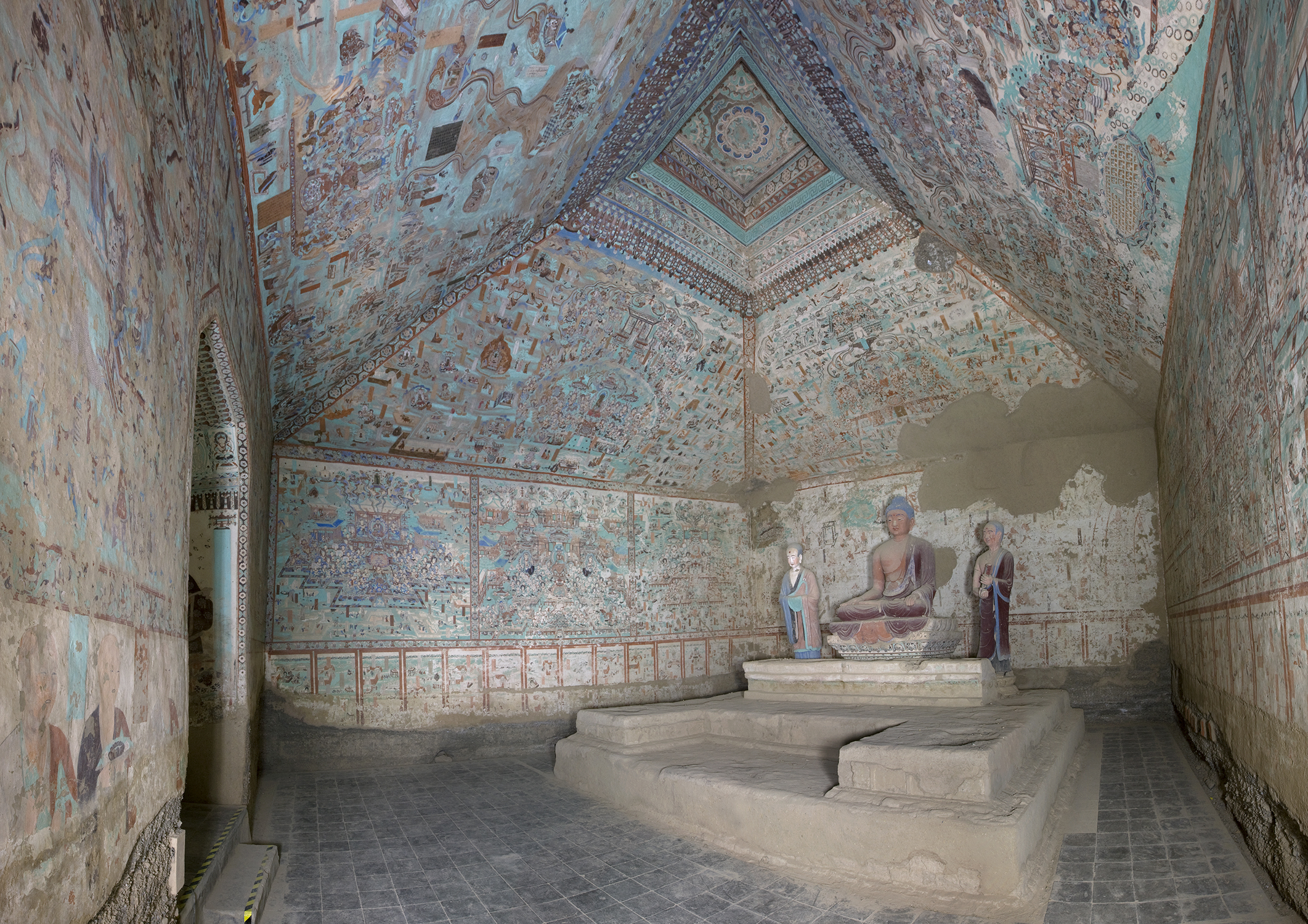
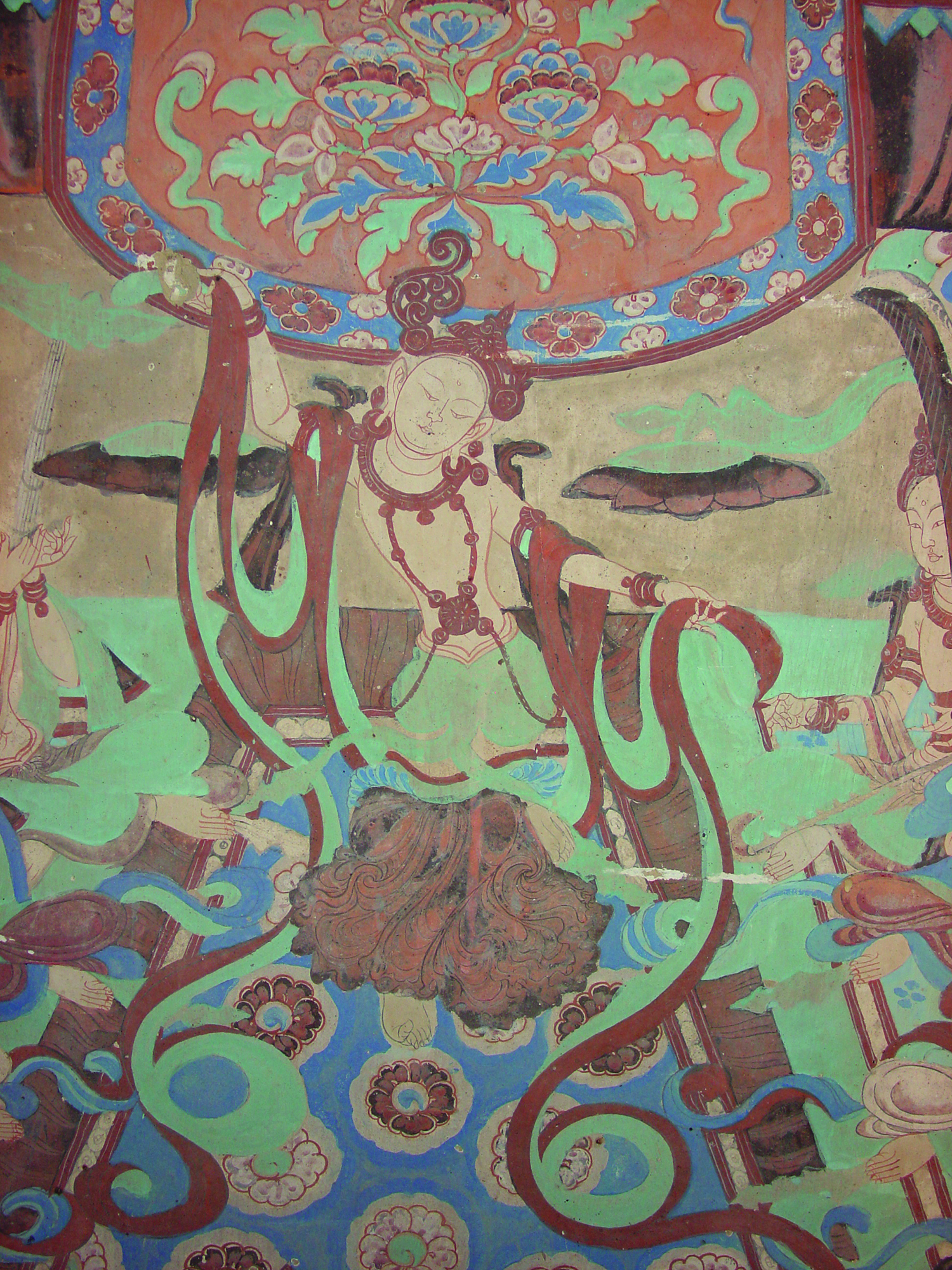
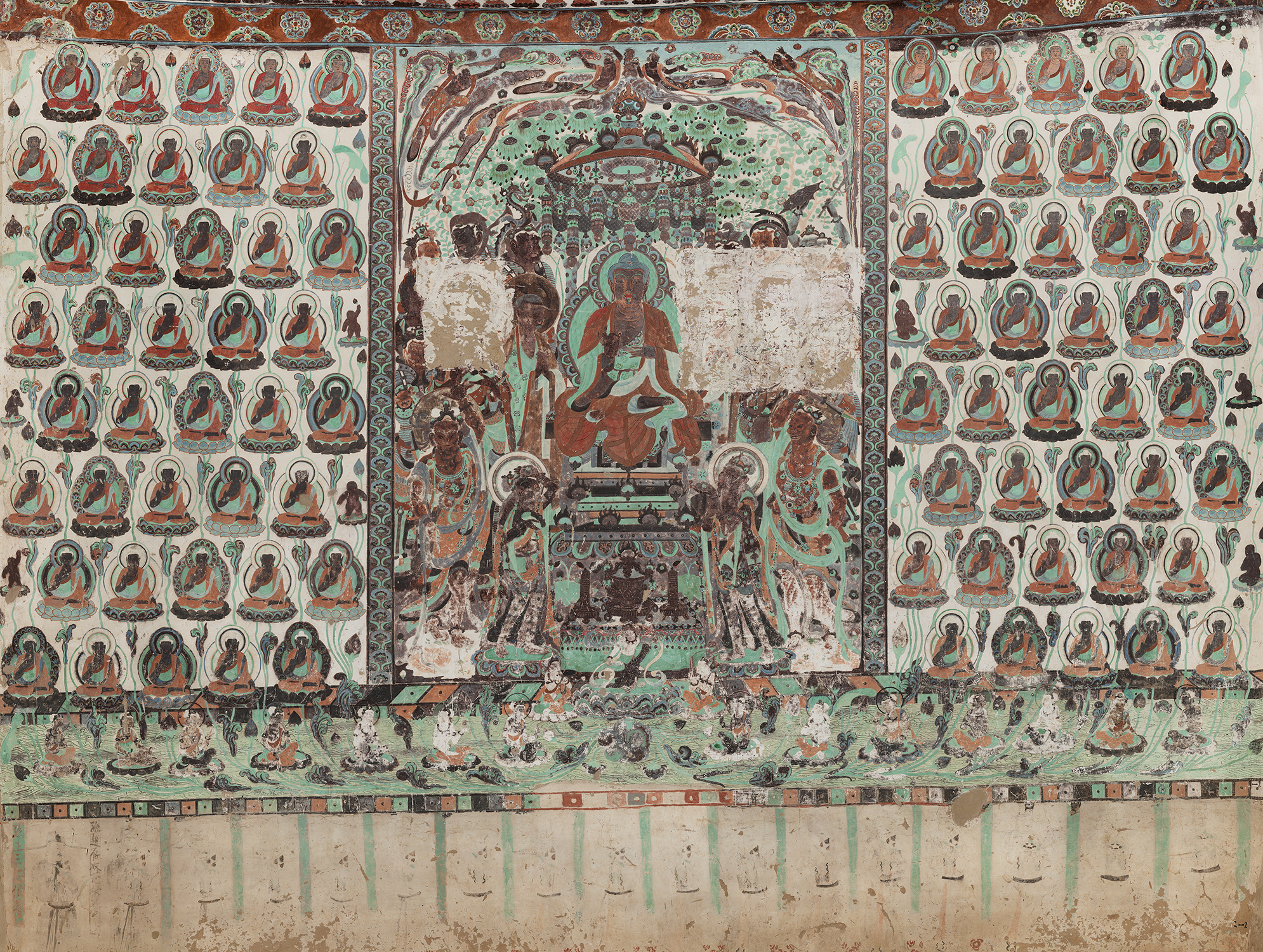
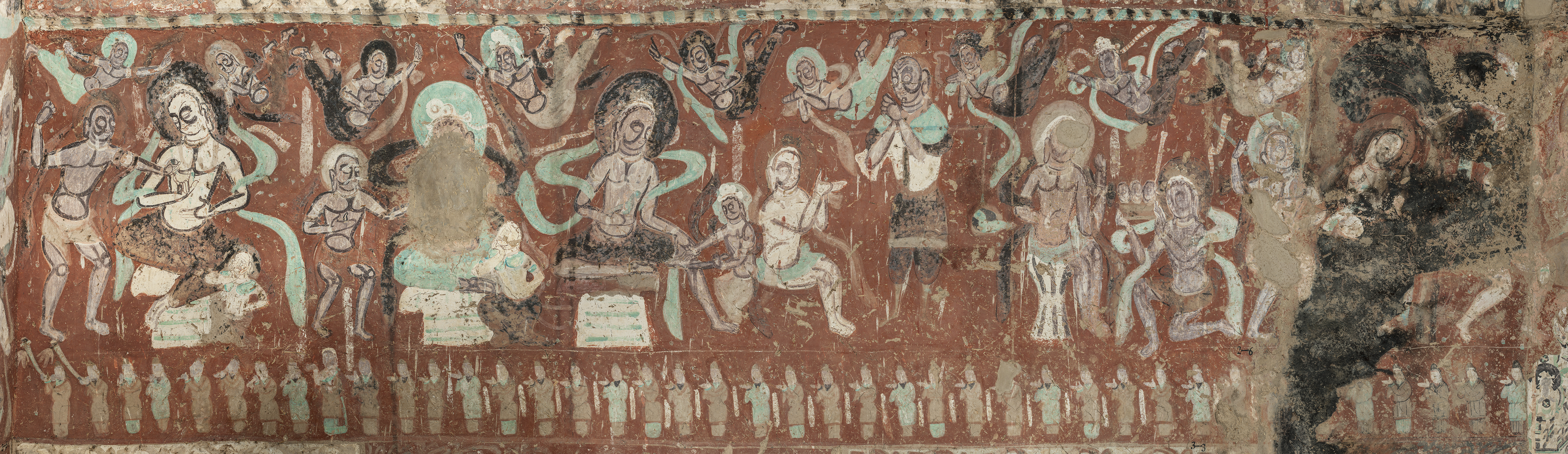
From the 4th to the 14th century, the monks, sponsored by politicians and wealthy donors who wished to express their religious devotion, dug 492 caves and decorated them with exquisite wall paintings, tile work and more than 2,000 clay sculptures of Buddhas, bodhisattvas and other figures. The largest sculpture is a Buddha about 116 feet high, the third largest Buddha sculpture in China, which was made during the Tang Dynasty (618–907 A.D.). In total, there are almost 500,000 square feet of painted walls and ceilings depicting Buddhist stories, sutras, donors, abstract ornament and scenes of daily life.

The enormity of the Mogao Caves (Mogao means “peerless”) complex is a testament not just to the religious dedication of the monks, but to its location along the Silk Road. The evidence of the rich cultural exchange brought to the site by the Silk Road is evident in the mixed influences of the art, and it was the demise of the Road which led to the abandonment of the caves in the 15th century. They were all but forgotten, the painstakingly carved and painted grottoes sealed with sand from the Gobi Desert.

Hundreds of years would pass before someone embraced the ancient complex again. A Daoist monk named Wang Yuanlu took it upon himself to care for the caves in around 1892. Entirely alone and unsupported, he began to clean the sand choking the temples and repair the wooden elements. In 1900, he opened a cave that had been sealed in about 1000 A.D. and discovered a massive cache of documents without parallel in human history.

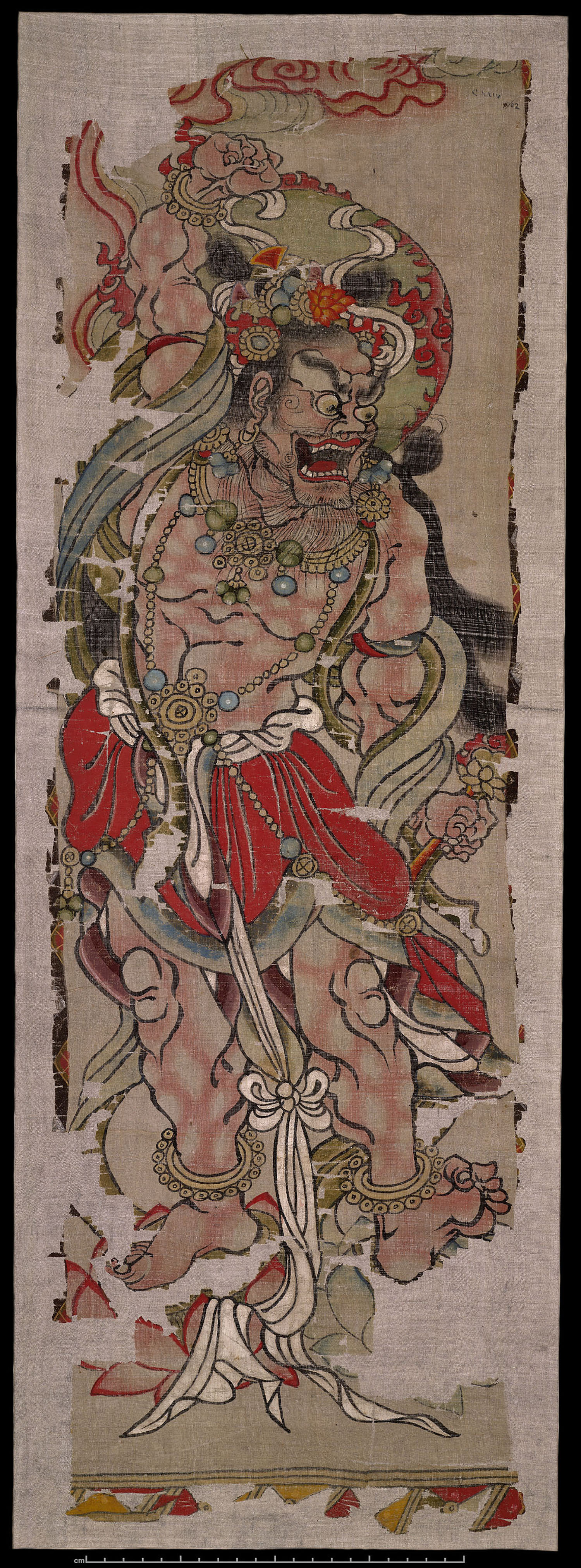
Cave 17, which for obvious reasons became known as the Library Cave, held almost 50,000 manuscripts, printed texts, paintings on silk and paper, intricate embroidered silks and other textiles. The dry air of the Gobi had preserved them in exceptional condition. The documents provide a unique view of life in medieval China. There are financial ledgers, calendars, legal papers, property sale contracts, dictionaries, medical books, artworks that capture the music, dancing and games of the period. The are Confucian, Daoist and Christian texts are written in Chinese, Sanskrit, Tibetan, Hebrew, Tangut, Old Turkish and other languages spoken along the Silk Road.

The stand-out document amidst the vast archival treasure discovered in the cave is the Diamond Sutra, the world’s earliest printed dated book. A copy of an ancient Indian Buddhist text, this Chinese translation of the Diamond Sutra was made in 868 A.D., and we know this because the maker noted it in the colophon: “Reverently made for universal free distribution by Wang Jie on behalf of his two parents, 11 May 868.” While there are extant woodblock printed art works on silk from the 3rd century, the earliest fragments of printing on paper date to the mid-7th century. Woodblock printing was established by the 8th century, but the Diamond Sutra is the first complete book that we have a precise date for known to survive. It is a scroll more than 15 feet long made from seven panels of paper pasted together.

Keen to preserve this great collection, Wang showed some of the texts to local government officials but they showed zero interest. In 1904, the governor order the Library Cave be resealed. Word of the find got out to archaeologists and explorers and in 1907 British archaeologist Sir Marc Aurel Stein offered to buy thousands of the manuscripts and artworks. This is Stein’s description of Cave 17:

“The sight of the small room disclosed was one to make my eyes open wide. Heaped up in layers, but without perfect order, there appeared in the dim light of the priest’s little lamp a solid mass of manuscript bundles rising to a height of nearly ten feet, and filling, as subsequent measurement showed, close on 500 cubic feet. The area left clear within the room was just sufficient for two people to stand in.”

Wang wanted to build a Daoist temple but he had no money and since the government had told him to shove it in regards to conserving the Library Cave’s library, he went ahead and sold the documents to Stein for a pittance. The next year explorer French Paul Pelliot bought more than 10,000 pieces from Cave 17. Then came the Germans, Russians and Japanese. The collection was thoroughly picked over by the time the sales stopped with the beginning of World War I. Finally resurgent nationalism in the 1920s woke the Chinese government up and the remaining documents were moved to the National Library of China in Beijing.

The Diamond Sutra was acquired in 1907 by Stein and is now in the British Library along with more than 400 other pieces from Dunhuang. (The BL, incidentally, has spearheaded the International Dunhuang Project, an initiative to digitize images of texts, art and textiles found at Dunhuang and other archaeological sites of the Eastern Silk Road. There are almost a million images in the database as of now, and they’re not done yet.)

The Diamond Sutra hasn’t left Britain in more than a century, but that’s about to change. It will be the star of the Cave Temples of Dunhuang: Buddhist Art on China’s Silk Road exhibition at the Getty Center in Los Angeles. The Getty Conservation Institute has been working closing with the Dunhuang Academy since 1989 to conserve the paintings on the walls of the Mogao Grottoes. To give visitors a truly immersive experience, the Getty has constructed exact replicas of three of the caves. These aren’t Hollywood sets made to look like the grottoes. The replicas are precise duplicates in shape, size and decoration. The replica paintings were done using the same pigments originally used in Dunhuang. The Getty even imported the actual clay used to sculpt the Buddhas and bodhisattvas that inhabit the caves.

The exhibition runs from May 7th through September 4th, 2016. For those four months, Los Angeles may be the closest you can get to the Gobi Desert and the Caves of the Thousand Buddhas.


[youtube=https://youtu.be/Owy3GhtXAvY&w=430]

Civil War steamer wreck found off North Carolina coast

The wreck of an iron-hulled Civil War steamer has been discovered off the coast of North Carolina near Oak Island. It was found on Saturday, February 27th, by researchers from the Underwater Archaeology Branch of the North Carolina Office of State Archaeology who were scanning the area with sonar. So far the complete hull of the 225-foot ship has been recorded and the study is ongoing.

The identity of the vessel has yet to be determined, but experts believe it is a blockade runner used to smuggle supplies and saleable goods through the Union naval cordon blocking the port of Wilmington. The wreck is 27 miles away from Wilmington near Fort Caswell which guarded the mouth of the Cape Fear River and played a key role, along with the blockade runners and Fort Fisher (which guarded the other inlet to the river), in keeping the port of Wilmington open longer than any other port in the Confederacy. It was open for virtually the entire war, in fact, until the Fort Fisher fell to a massive Union assault on January 15th, 1865.

The three likeliest candidates are blockade runners Agnes E. Fry, Spunkie and Georgianna McCaw, all of which were lost in the area. Agnes E. Fry is the front-runner because she was the largest of the three and her measurements come closest to matching those of the wreck. The Fry was built in Scotland in 1864 and renamed after the captain’s wife. Like all blockade runners, it was equipped with the fastest engines money could buy, fast enough to dodge Union ships on its way to and from the Caribbean. Havana, Cuba, was a frequent port of call for the Agnes E. Fry, and it may also have stopped at neutral ports in the British colonies of Bermuda and the Bahamas.

It’s been decades since a Civil War wreck has been found in the Oak Island area and researchers are particularly excited about this wreck because it appears to be in significantly better condition than past finds. The Cape Fear Civil War Shipwreck District covers 27 known wartime wrecks, blockade runners, Confederate ironclads and Union vessels, the greatest assemblage of Civil War ships known. However, the Atlantic off the coast of North Carolina is a very high-energy environment with a great deal of waves and sediment movement, so most shipwrecks are broken in pieces. Judging from the sonar image, this shipwreck looks almost intact.

As for why the wreck is in such good shape, [deputy state archaeologist Billy Ray] Morris said the change in dune patterns means that sand has helped prevent the vessel from wearing down over the decades.

“She was sanded over for most of the time she’s been laying on the bottom,” Morris said. “Now, the sand’s been scoured free.”

Even though the risk of blockade running was high — the Union captured 1,100 blockade runners and either destroyed and forced aground another 355 — profits were so huge companies were willing to take the chance. A single successful run could pay for the ship and then some. The Fry ran itself aground to avoid capture. The engines, paddle wheels and other useable part of the ship were salvaged at the time.

A dive team will be exploring the wreck starting Wednesday. Researchers are optimistic that they’ll be able to confirm which ship it is once they explore it in person. Any surviving cargo, artifacts or ship parts will only be disturbed if they are needed to answer questions about the vessel. It’s illegal for people to remove anything from these protected vessels, but tourist divers are welcome to explore with their eyes as long as they keep their hands to themselves.