Hittite royal archive found in Turkey

Archaeologists have uncovered a royal archive of cuneiform tablets in the ancient Hittite city of Samuha, modern-day Sivas, central Turkey. This year’s excavation unearthed 131 cuneiform tablets and fragments which record an epidemic of fever, military logistics, religious practices and events of royal daily life 3,400 years ago. Last year’s excavation uncovered 53 cuneiform tablets and fragments, so this season’s discoveries more than triple the number of texts. It is now the largest, most comprehensive archive of Hittite-language documents found in the 21st century.

The records date to the reign of King Tudhaliya II, and are written in Hittite and Hurrian. One text tells of a fever epidemic that struck the infant daughter of the king. She was still a nursing baby when she became ill. She never recovered from the fever and her health declined precipitously until she passed away. The cuneiform tablet records the funerary ritual that followed.
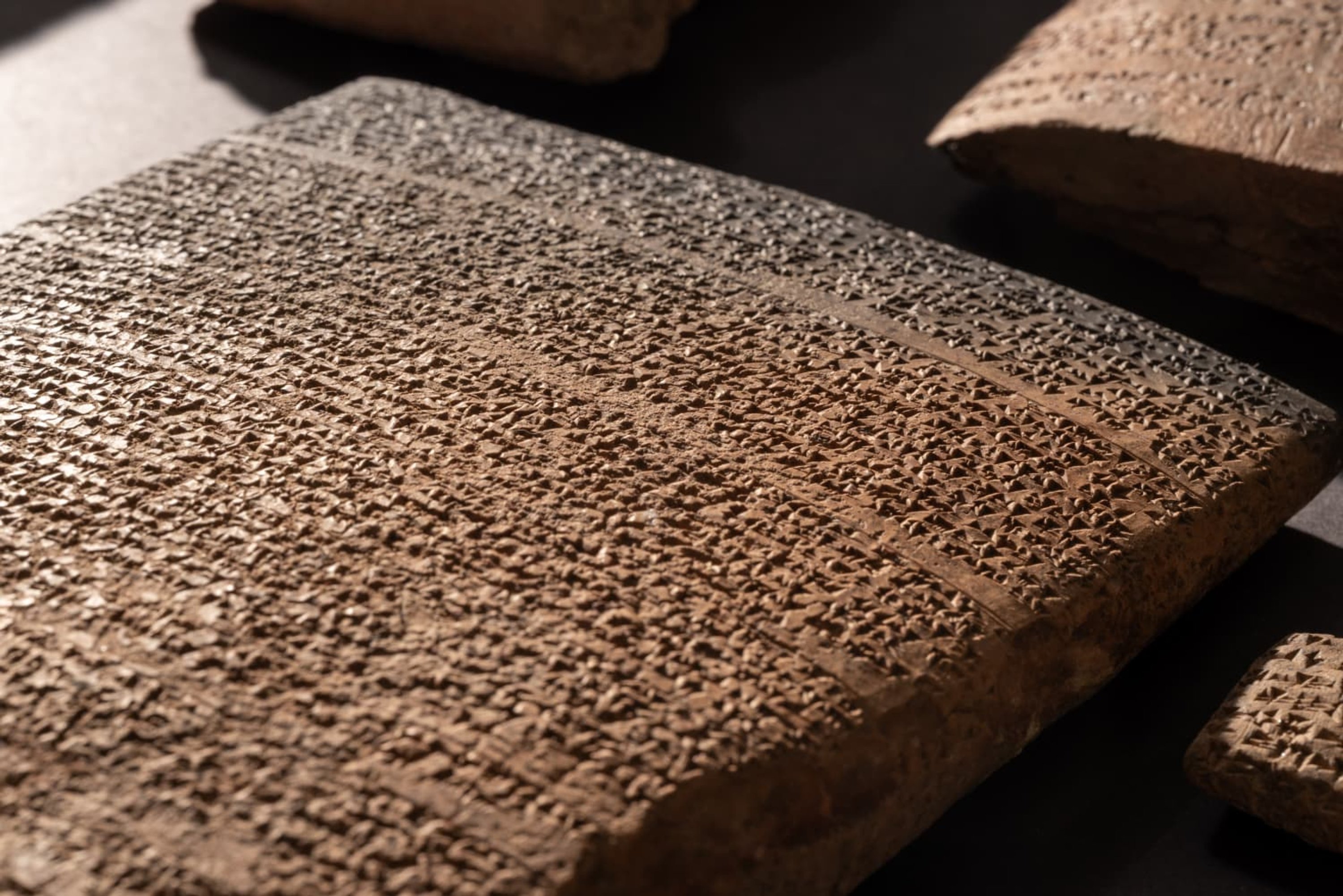
The health of the princes and princesses, not just babies but even up to adulthood, was an important focus of the records. The children of high-ranking imperial officials were given the same attention. Because illness was considered an expression of divine will, religious leaders performed many rituals to keep an eye on the physical health of the children of kings and government officials.

Another notable document is a letter from Hittite generals in western Anatolia appealing to the king for reinforcements in men, horses and chariots to fend off enemy forces. The generals’ warnings are dire. They plead that without an infusion of strength, the army would be destroyed by the enemy. They have the temerity to disclaim all responsibility for any upcoming failures if the reinforcements don’t come.
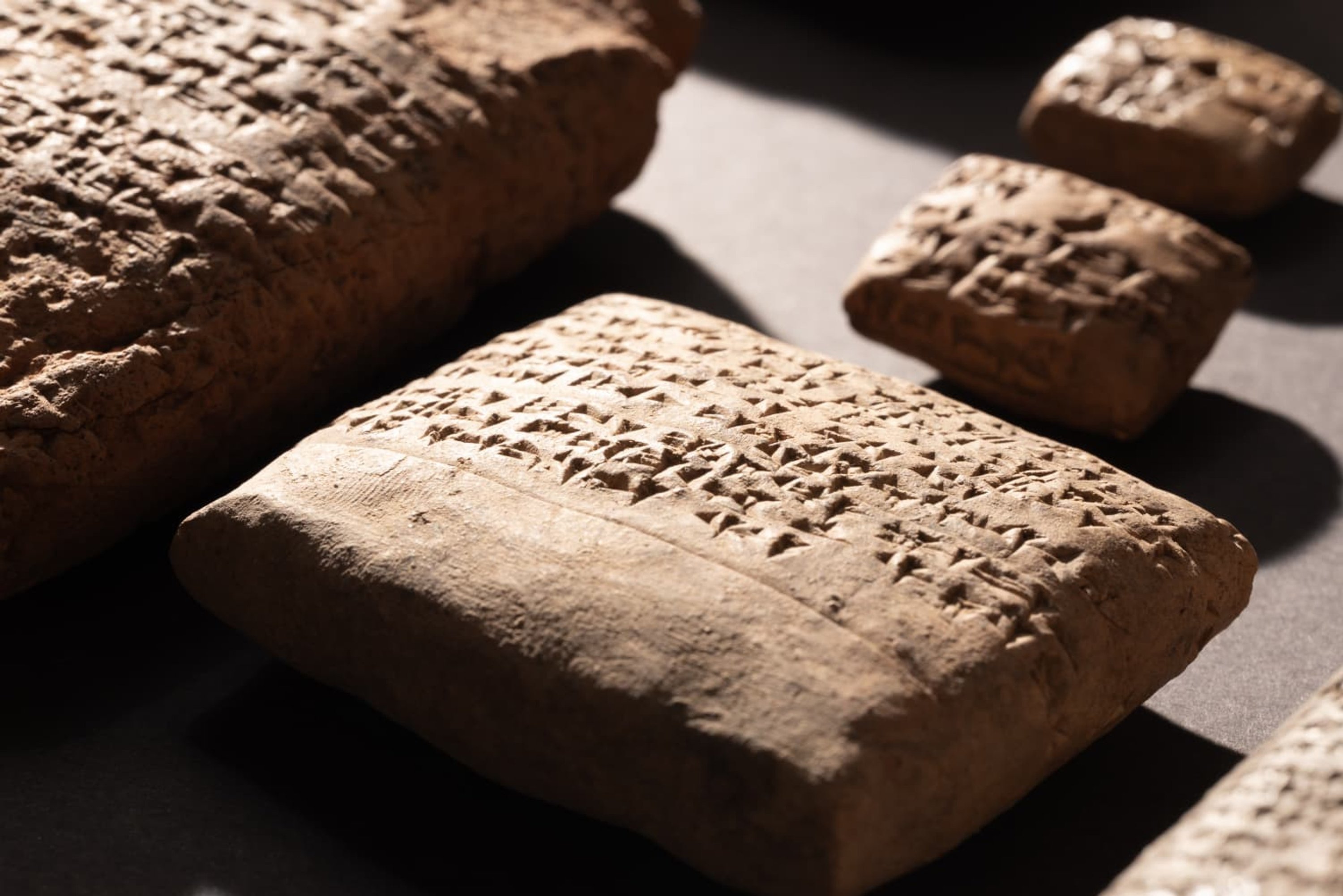
It’s a rare glimpse into the realities of military logistics with armies long distances from the king and court. The text also confirms that the king was at Samuha when the letter arrived, underscoring the city’s political importance. It was a royal stronghold for King Tudhaliya during times of military and political upheaval. His successor Suppiluliuma I used it as a launching pad for military campaigns that consolidated and expanded the territory of the Hittite Empire.

Samuha was also a major center of religious administration. Its patron deity was the goddess Sauska, goddess of love and war who was the Hurrian version of Ishtar and the most important goddess in the Hurrian pantheon. The association with the goddess was central to the city’s identity and was reflected in its religious ceremonies.

One tablet records the journeys of bird diviners who left Samuha and traveled through different regions. Their routes, the cities where they stayed and the birds they observed were recorded in a format resembling a diary. The documents also provide previously unknown information about how bird omens were observed, evaluated and interpreted by the Hittites.

The archive includes texts covering divination, correspondence, rituals and prayers, offering researchers new material for studying Hittite religious practices as well as the development of the Hittite language and scribal culture.
$30 estate sale find sells for $1,352,600

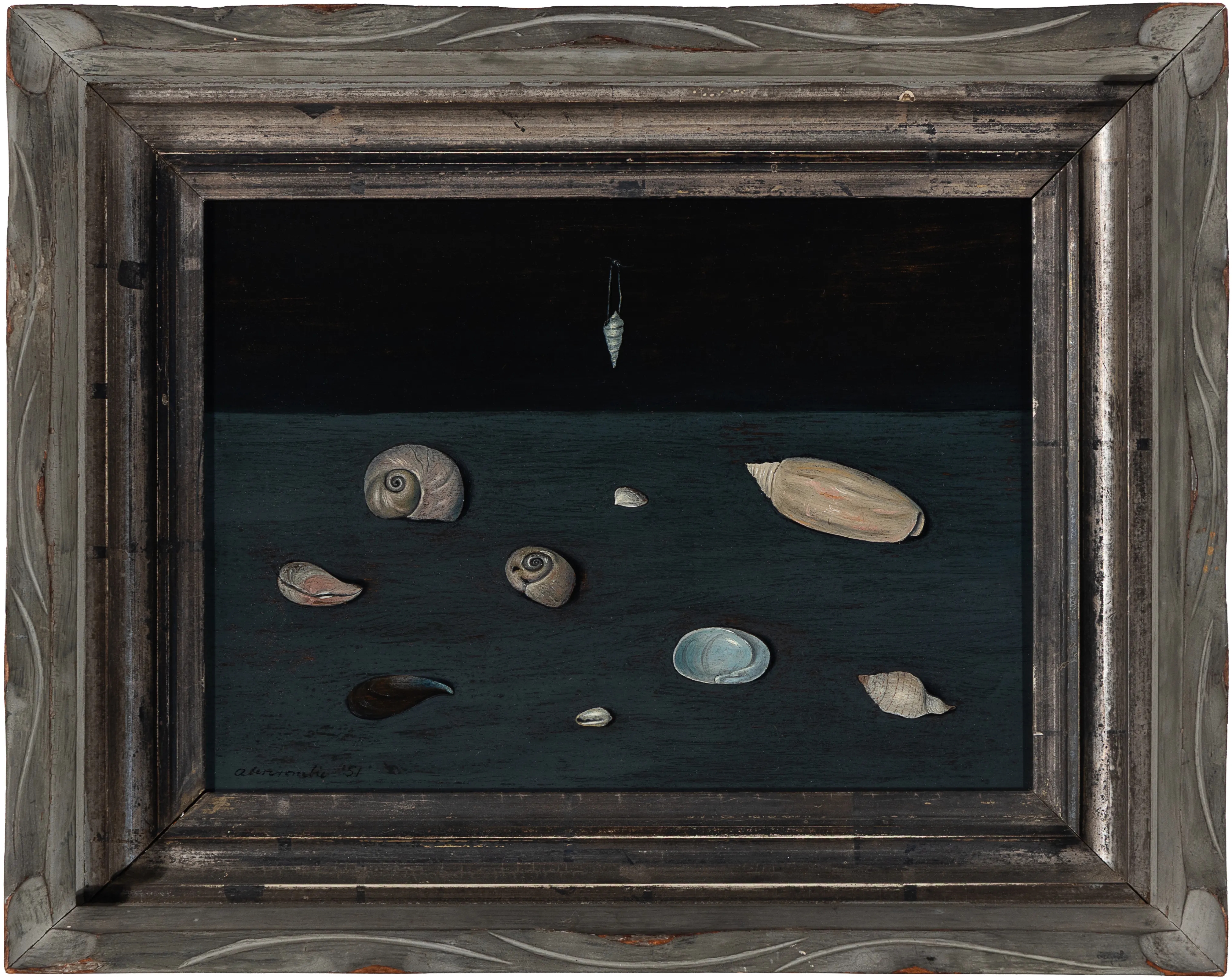
A painting by figurative painter Gertrude Abercrombie (1909-77) bought at Michigan estate sale last year for $30 has sold at auction for $1,352,600. The final price exceeded the high pre-sale estimate of $200,000 by more than six times and set a new world record price for the artist.

Gertrude Abercrombie was a self-taught artist. Her degree was in Romance languages and she was working in advertising when she began to paint during World War II. Abercrombie’s work quickly received positive reviews from critics and galleries and she got her first one woman show at the Chicago Art Institute in 1944.

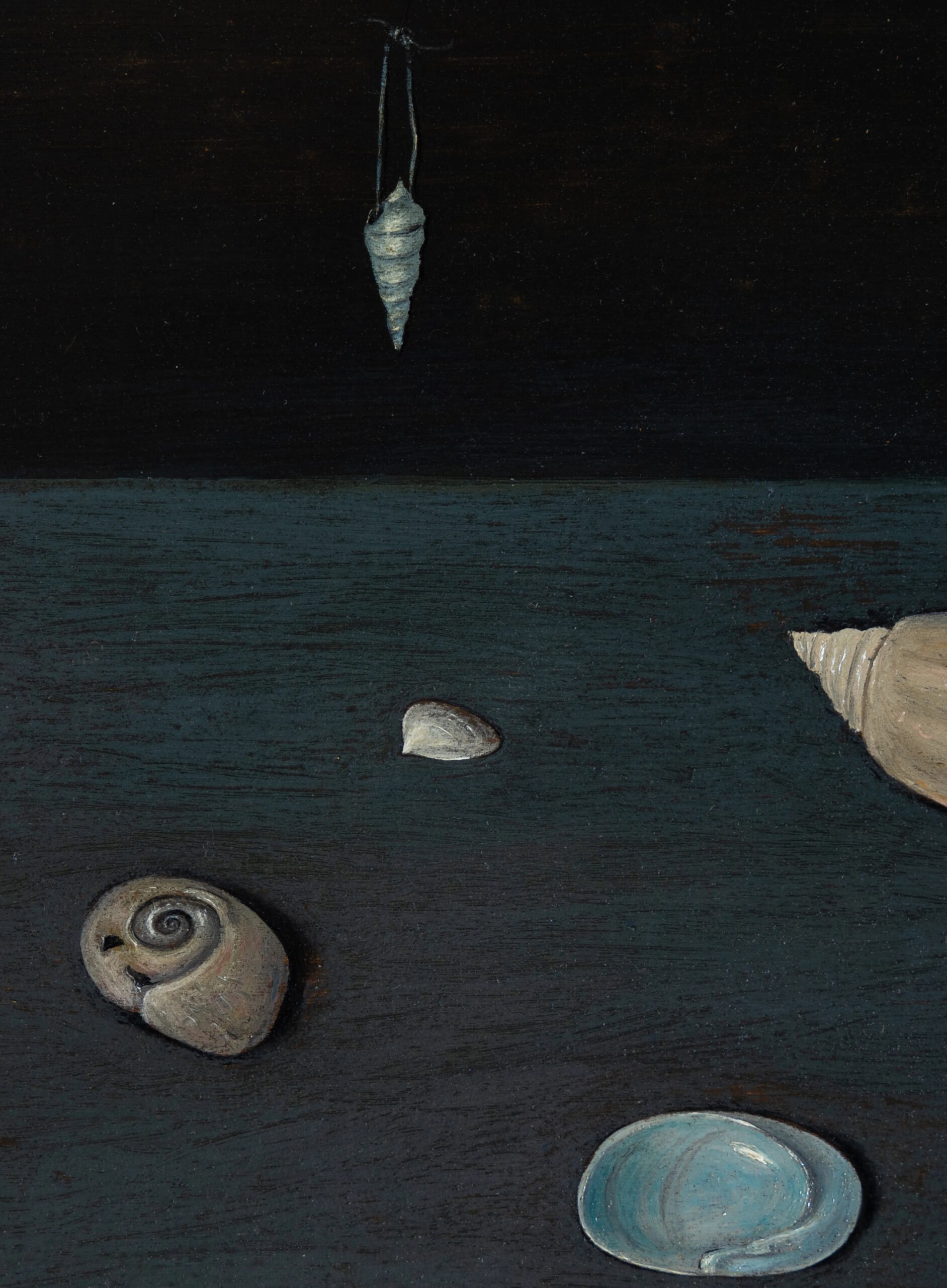
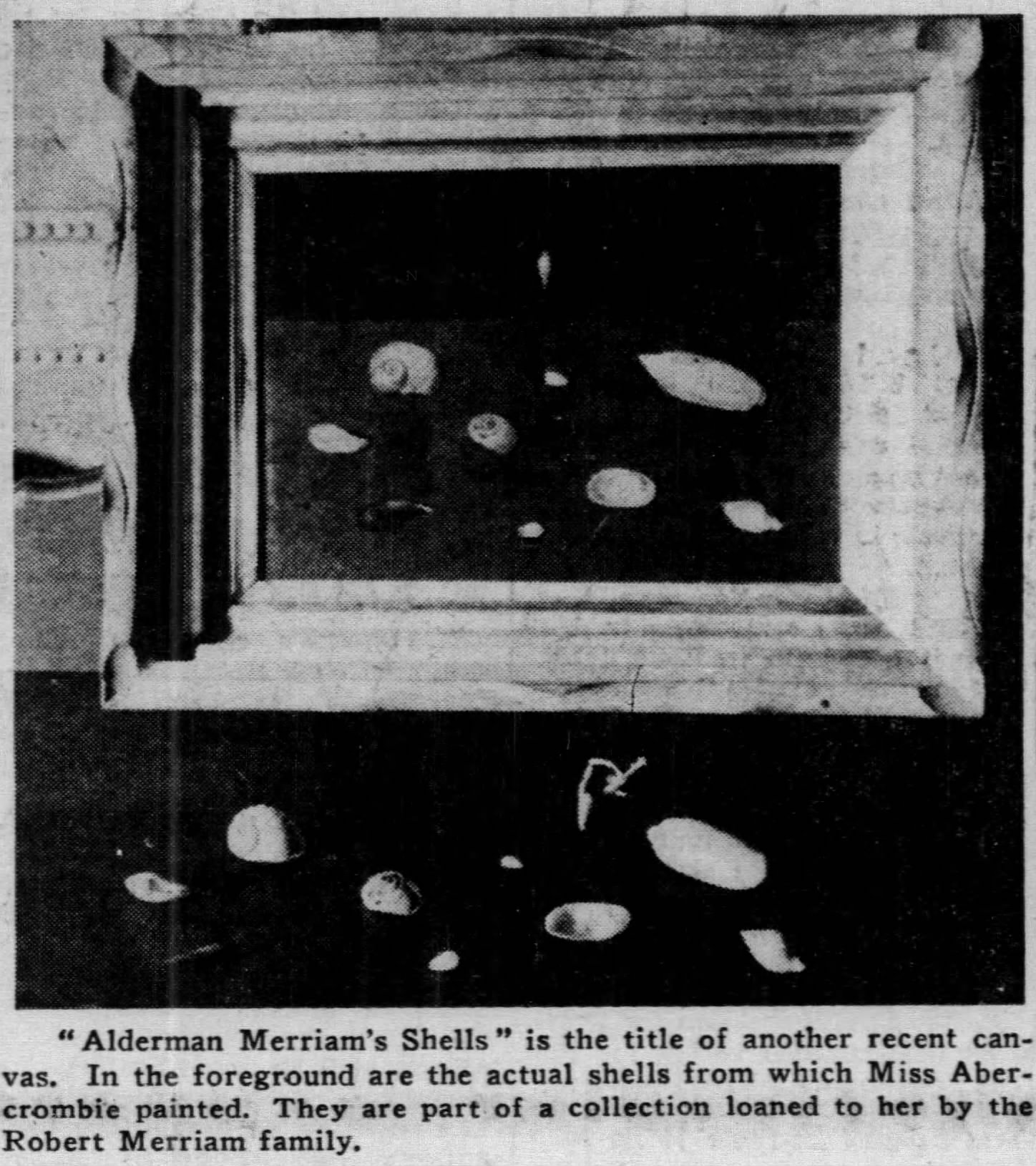
The 8×11-inch oil on masonite painting entitled Alderman Merriam’s Shells was made in late 1951. Robert Merriam was the alderman of the Chicago neighborhood where Abercrombie lived and photos from the period indicate she was a friend of the family. Merriam loaned her some shells from his collection which she painted in an abstract, surreal space.

Shortly after she painted it, Abercrombie gave the work to Dr. John T. Reynolds of Kalamazoo, Michigan, as payment for an operation he performed on her in early 1952. By April, Reynolds had begun loaning it for exhibition in several contemporary art galleries in New York, Chicago and Milwaukee. In a Chicago Tribune article about her one-woman show there, Abercrombie described her approach:

“I like to paint mysteries or fantasies — things that are real in the mind, but not real in the ordinary sense of the word. I’m not interested in complicated or commonplace subjects. Instead, I like to paint simple things that are a little strange.”

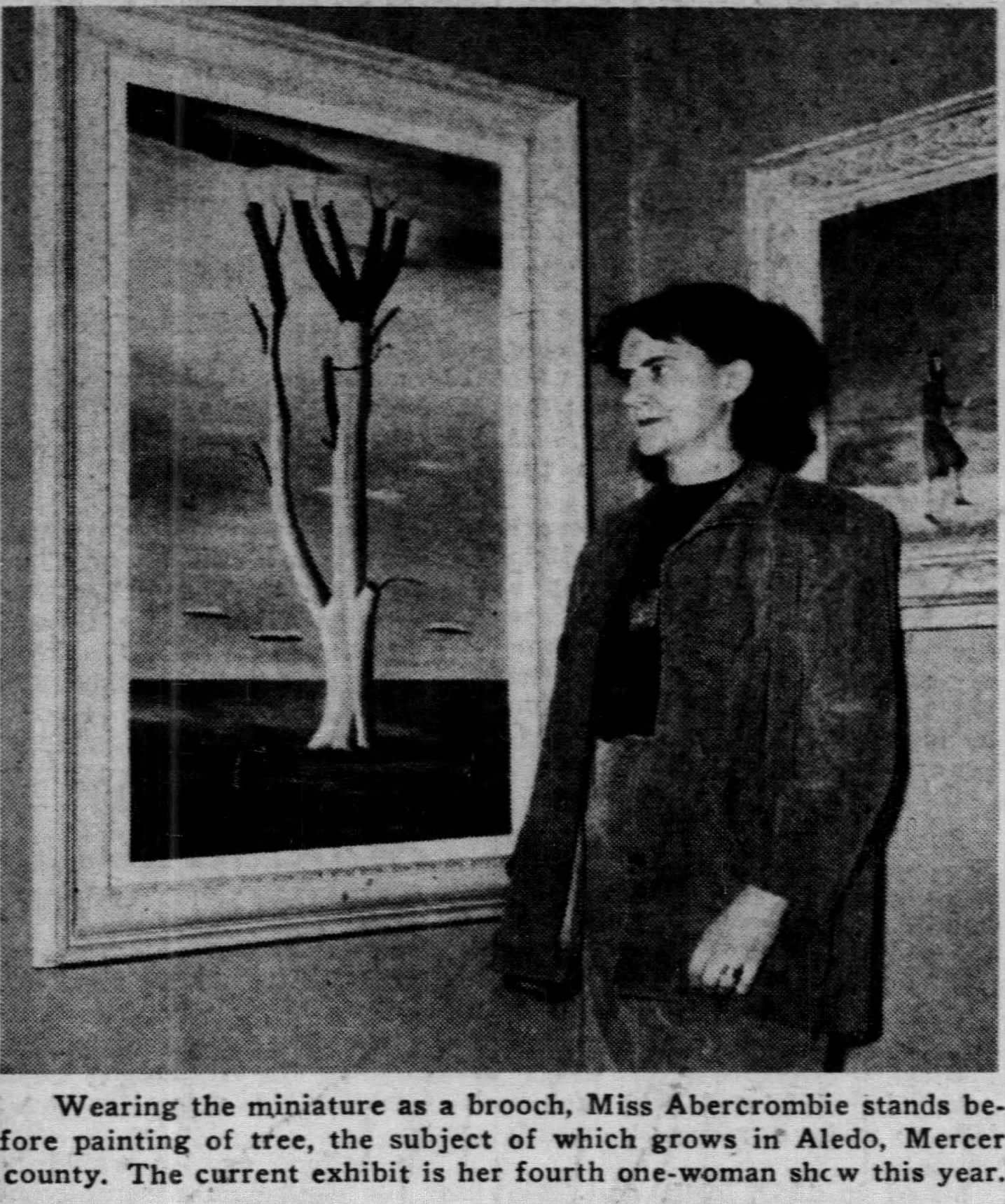
The sea shells fit this esthetic to a tee, simple but captured in meticulous detail and in impossible positions that sets each of their individual features off to the best advantage. The shells themselves were at Chicago show with the painting and the subjects and portrait were photographed together in the Chicago Tribune.

Alderman Merriam’s Shells was offered for sale at several of the galleries where it was shown in 1952 and 1953 at prices ranging from $50 to $150. Nobody bought it then, and Dr. Reynolds kept it until his death. It was at the sale of his estate that the current seller spotted it as the bargain of a lifetime. Pretty crazy that it would sell for just 30 bucks 70 years after it was priced at 50 bucks when the artist was still living.

Seal ring with Lighthouse found in Alexandria

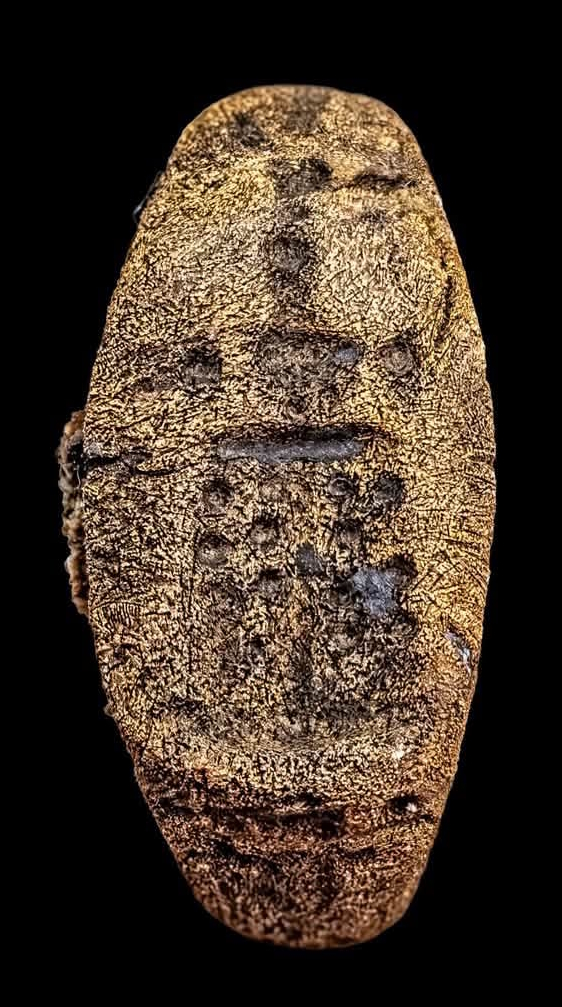
A unique bronze seal ring engraved with a depiction of the famed Lighthouse of Alexandria, one of the Seven Wonders of the Ancient World, has been discovered in the city’s harbour. It is the first depiction of the Lighthouse ever found on a seal ring.

Underwater archaeologists found the ring in an exploration of the submerged royal island of Antirhodos which was part of ancient Alexandria’s Eastern Harbour. The discovery location is significant because Antirhodos was the site of a Ptolemaic royal palace documented by geographer Strabo when he visited Alexandria between 29 and 25 B.C.

Other objects recovered near the ring include pottery, glass, tableware, amphorae, bottles, lamps and other utilitarian objects dating from the 4th century B.C. to the 4th century A.D.

The Lighthouse of Alexandria was built on the island of Pharos at the entrance to the Portus Magnus, the great harbor, during the reign of Ptolemy II Philadelphus in the 3rd century B.C. It consisted of three levels: a square base, an octagonal body and a circular tower topped with the great fire. The flames were fueled by wood and resin, and amplified by metal mirrors. It could be seen from at least two dozen miles away and guided ships navigating the coast safely into the harbour.

It was a symbol of Alexandria and its commercial success, and an acknowledged architectural masterpiece. Depictions of it appeared on coins in the Ptolemaic era and under Roman imperial rule. The image engraved on the ring is similar to the depictions of the Lighthouse on 2nd century coins, so archaeologists have tentatively dated the ring to that period.

Fine glassware found in graves from Late Antiquity in Troyes

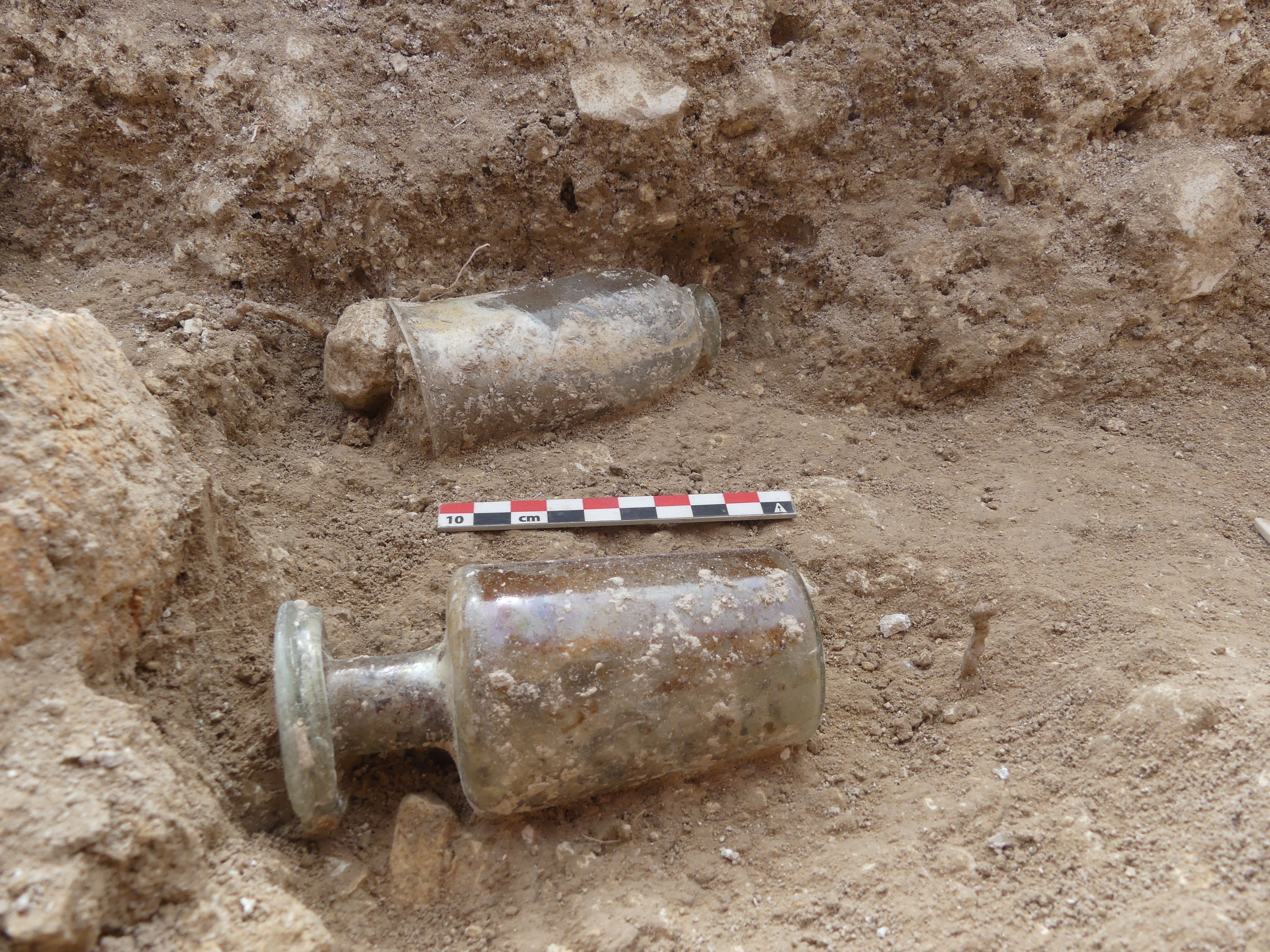
An excavation in the city of Troyes in northeastern France has unearthed three burials from Late Antiquity with well-preserved grave goods, including intact glass vessels. The fine glassware is an extremely rare find in the area.

A team from the French National Institute for Preventive Archaeological Research (INRAP) excavated the site on the bank of the Vienne River prior to construction of a new housing development. They found the remains of a post-built settlement from early antiquity (1st century A.D.) that was protected by a sturdy ditched wall. A large palisade divided the settlement, and most of the 300 domestic structures unearthed were on the east side.

There’s evidence of a second phase of construction in which masonry buildings were raised next to the post-built ones. Tegulae, roof tiles, and hypocaust tile pillars confirm masonry construction of urban buildings, and judging from the profusion of metal artifacts like coins, fibulae and furniture fittings, the town was well-populated and prosperous.

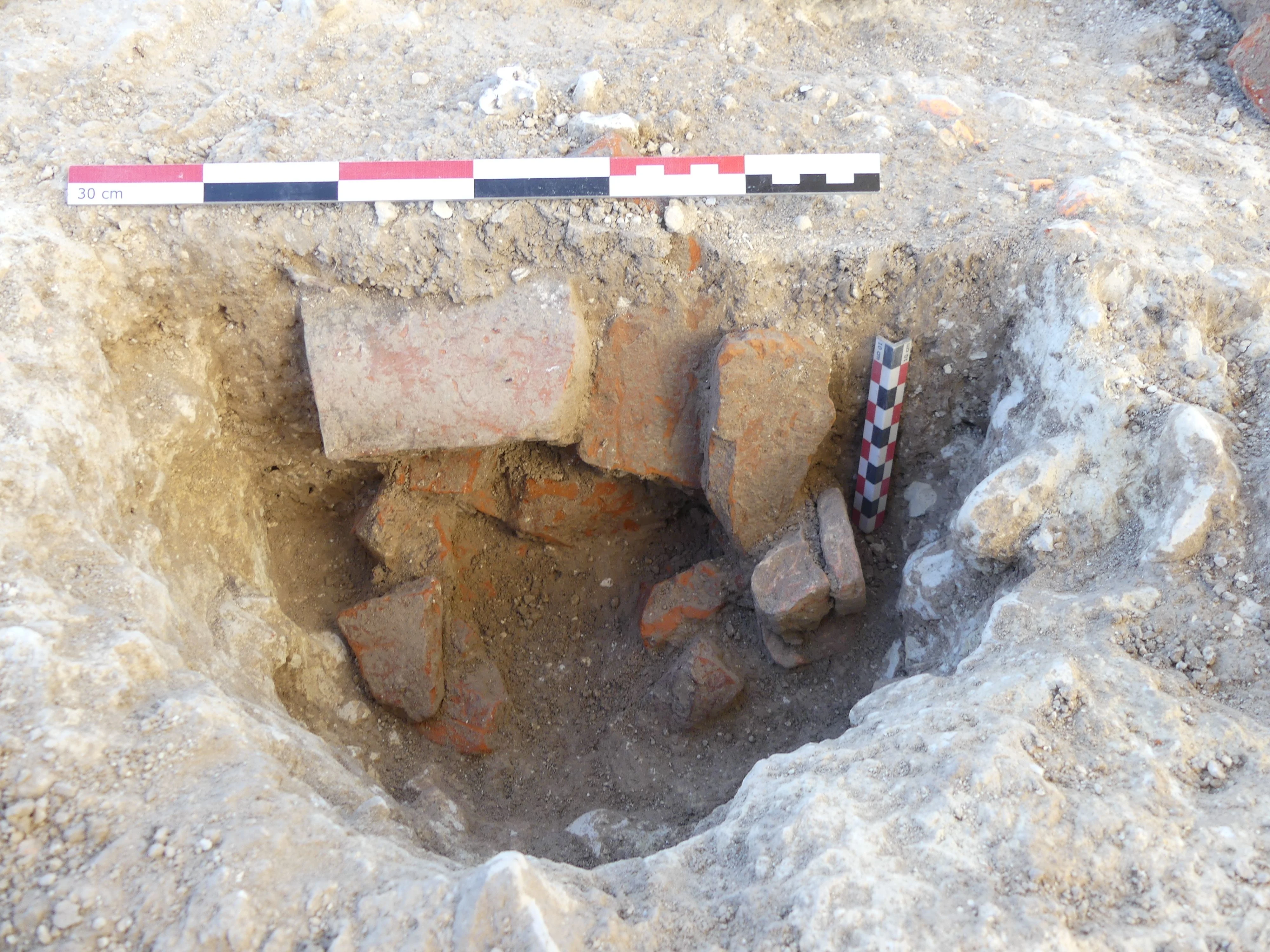
Local pottery at the feet of the deceased. Photo courtesy Elsa Chiron, INRAP.The three burials were discovered outside the ditched perimeter of the settlement. They date to the late 3rd or early 4th century A.D. They were dug very closely together and contain the skeletal remains of an adult woman, a child and a second adult whose bones are too degraded to determine their sex. Archaeologists believe it was a family grouping.

One of the adults was buried with glass vessels around their head. Two of the vessels are cylindrical and with thin glass walls. An intact pot-bellied amphora was found at the feet of the deceased. It was locally made and of good quality.

The site appears to have been abandoned after Late Antiquity, although the excavation did uncover a small group of huts from the turn of the 11th/12th century just to the north of the ancient town. There was a well and a silo, so it seems to have been a small community, although it’s not possible to tell from the sparse artifacts how long it was inhabited.

Rare 4,000-year-old cist grave found in Norway

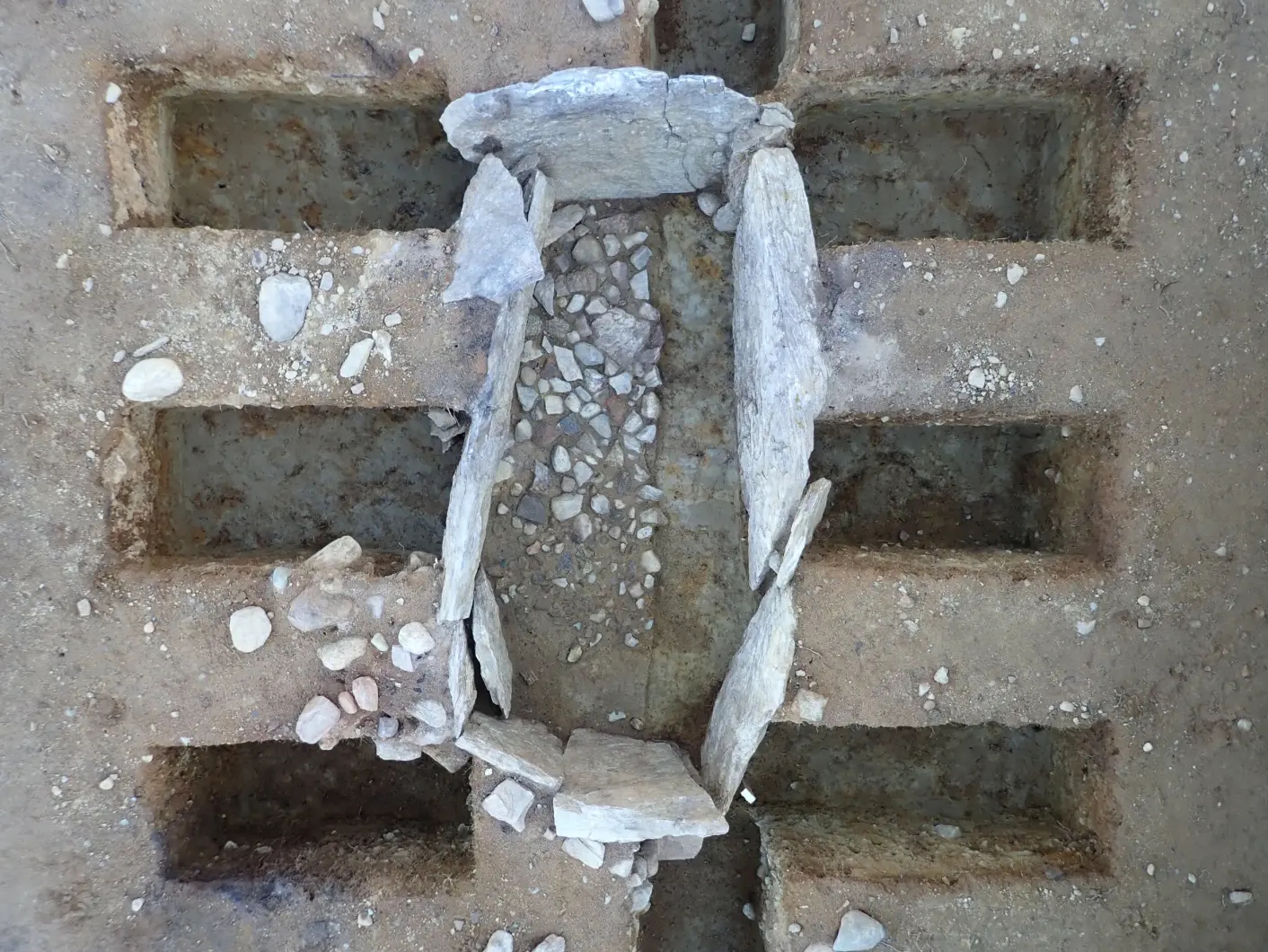
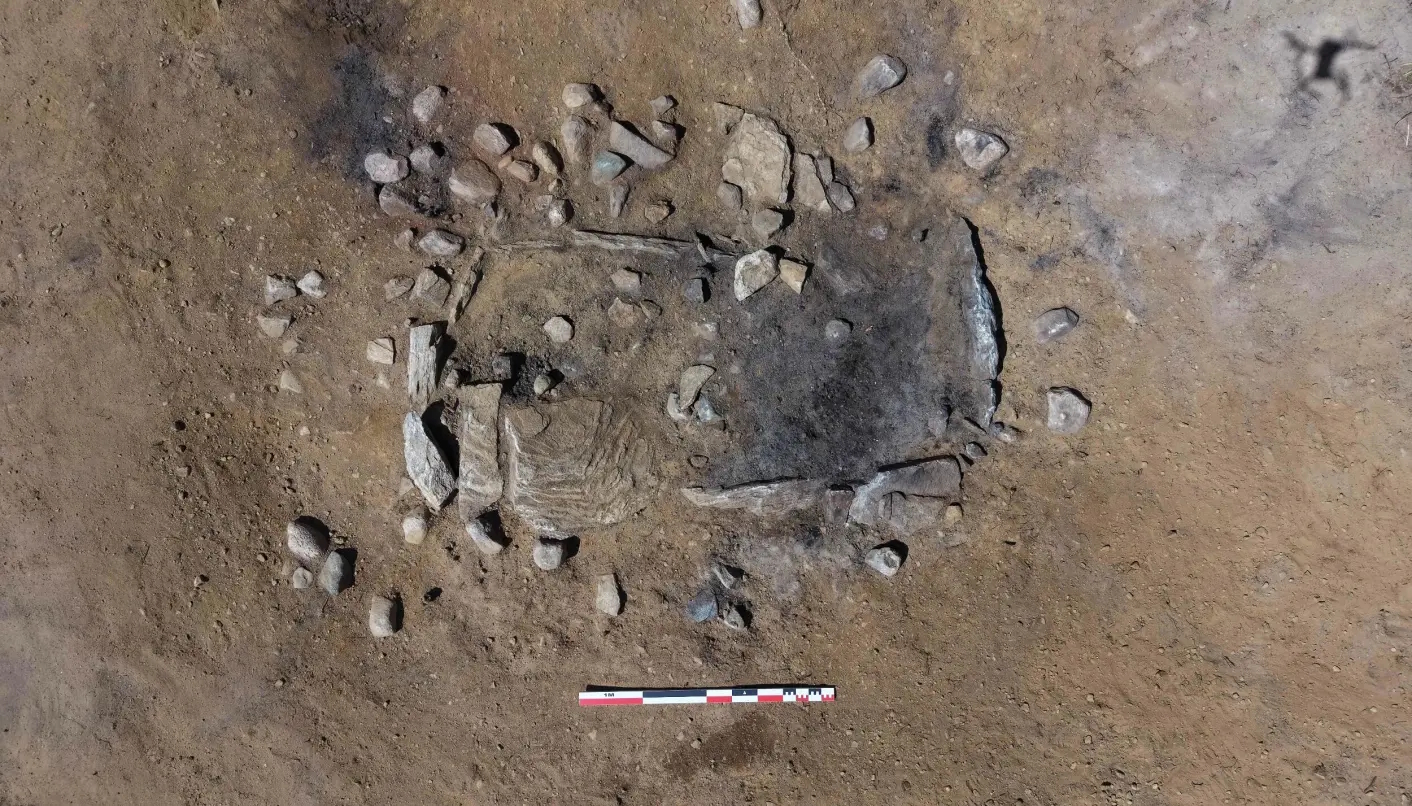
What at first sight looked like an ancient firepit has proven to be a rare 4,000-year-old stone cist grave in Halden, southeastern Norway. It is one of only about 20 stone cists found in Norway, in contrast to Sweden where 2,000 are known, and this is the only ever to be excavated by professional archaeologists.

Just a few miles from the border with Sweden, the area is slated for development into a new industrial park. Archaeologists are excavating the site to document and recover everything they can find before construction begins. The team uncovered some stones sticking up out of the soil, and a charcoal layer which suggested to them it was an ancient firepit. It was only when they removed some of the stones that they saw the stone slab sides of a cist grave.

The cist was built using stone slabs weighing hundreds of pounds with wedges driven down into the corners to create an in-ground coffin. The stone slabs are neatly placed and carefully wedged to keep them stable. Small, smooth stones were used to line the bottom of the grave creating a floor.

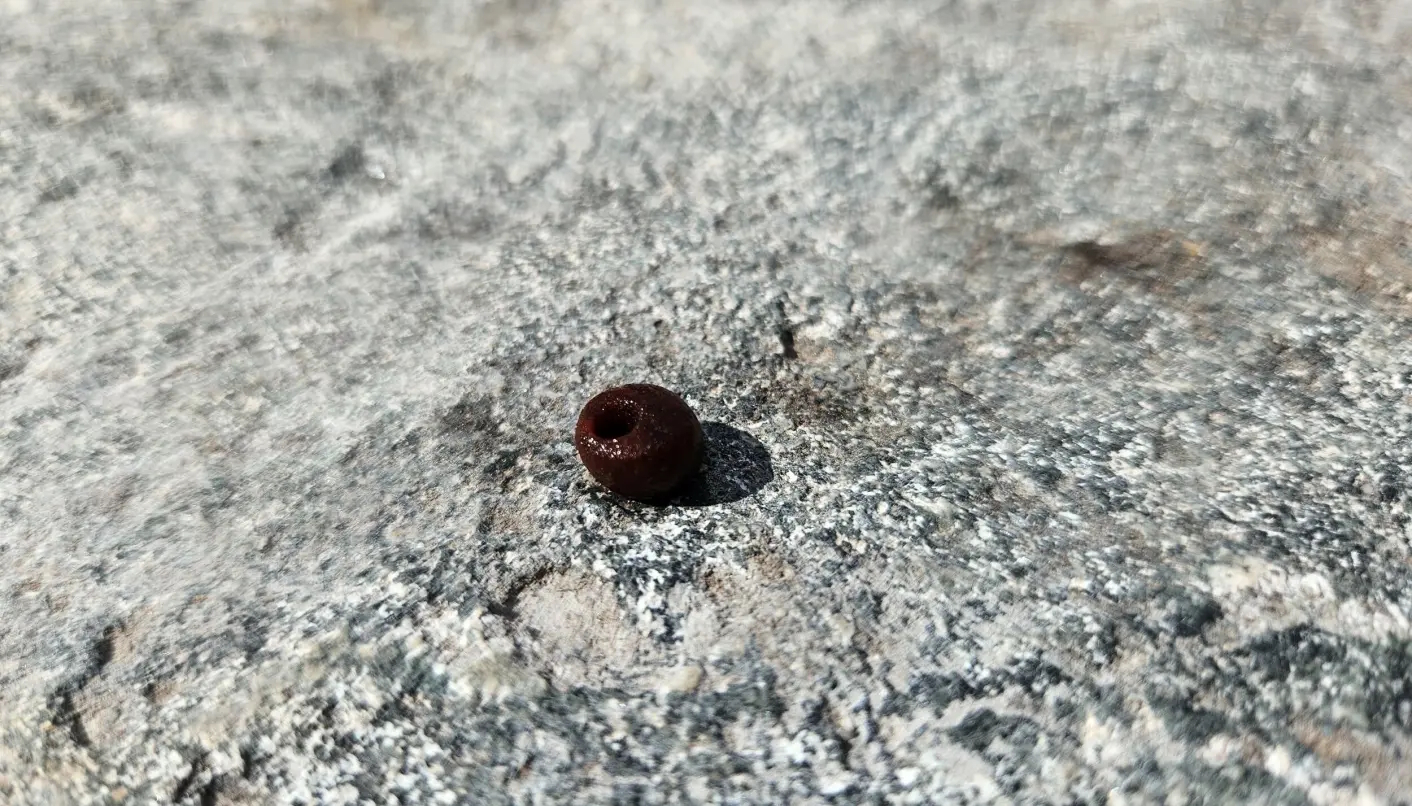
No traces of human remains were found inside the grave. Comparable examples have contained the skeletal remains of young men, some showing evidence of battle injuries. They were buried with daggers and arrowheads, suggesting they may have been warriors in life. The Halden cist did contain an arrowhead, but no daggers. They also found one amber bead and a fragment of corded ware pottery.

Archaeologists believe the deceased was likely a local resident, perhaps a farmer. To answer some of the questions about the grave and its owner, archaeologists are employing an experimental technique: they will be extracting DNA from soil samples. The body has decomposed, but the soil it decomposed into is still there and still retains traces of DNA. Archaeologists hope they’ll be able to find out more about the deceased from those traces.

The Cultural History Museum is now discussing the fate of the cist grave with Østfold County Council. The debate is whether it should be allowed to remain in situ so that people can visit it in its original location, or recovered and reconstructed inside the museum.