Largest mass execution in U.S. 150 years ago today

On December 26th, 1862, 38 Dakota men were hanged in Mankato, Minnesota. This was the largest mass execution in U.S. history, and it would have been almost 10 times larger had Abraham Lincoln not intervened personally. The backdrop for this horror show was the all-too-common trail of broken treaties between the United States and the Native American tribes who had the misfortune to live in the path of westward expansion.

Under pressure from settlement and the U.S. Army, the Dakota had been forced to cede increasing chunks of territory in return for money and supplies. These treaties signed in the early 1850s were never honorably held to nor enforced. Congress simply chose not to ratify the parts it didn’t like and any payments that were disbursed often got sucked into the black hole of Bureau of Indian Affairs corruption or were paid directly to traders and never made it to the Dakota.

Meanwhile, the territories left to the Dakota in the reservation were hardly safe from U.S. encroachment. With Minnesotan statehood in 1858, large chunks of the reservation were grabbed for settlement, farming, timber, stone quarrying, game and other natural resources. The Dakota began to starve. The Civil War made things worse as supply lines were interrupted and treaty payments became even more irregular.

In August of 1862, negotiations between the Dakota, the government, the state’s Indian Agent and the traders ended at an impasse. The treaty payments hadn’t come through; Agent Thomas Galbraith refused to give the Dakota food without payment; the traders representative Andrew Jackson Myrick also refused to give them food on credit and then added insult to injury by saying “if they are hungry let them eat grass or their own dung.” Dakota men led by Little Crow went to war against the settlers.
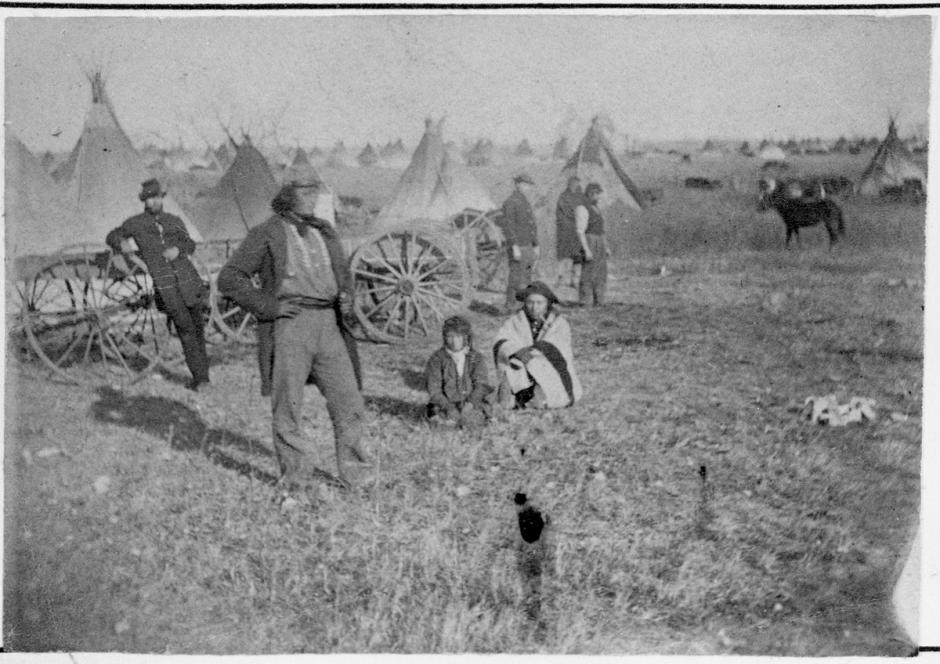
It was a short war. For six weeks between August 17th and September 23rd, 1862, Dakota bands raided settlements and Army forts, killing and kidnapping hundreds. Since there was a Civil War on, the Army wasn’t able to send reinforcements for a little while. A new Army Department was formed on September 6th and manned with brand new Minnesota volunteer regiments. Troops commanded by Colonel Henry Sibley decisively defeated Little Crow and his men at the Battle of Wood Lake on September 23rd. The Dakota surrendered on September 26th, releasing 269 captives at a place thereafter known as Camp Release.

In the final tally, more than 600 white settlers were killed by the Dakota during the war, only 70 of them soldiers. An estimates 30% of the 600 were children under the age of ten. The stories spread by terrified settlers told of even worse rapes and murders most foul. Sibley immediately appointed a Military Commission to try the Dakota accused of involvement in the war. Two days after the surrender, the trials began.
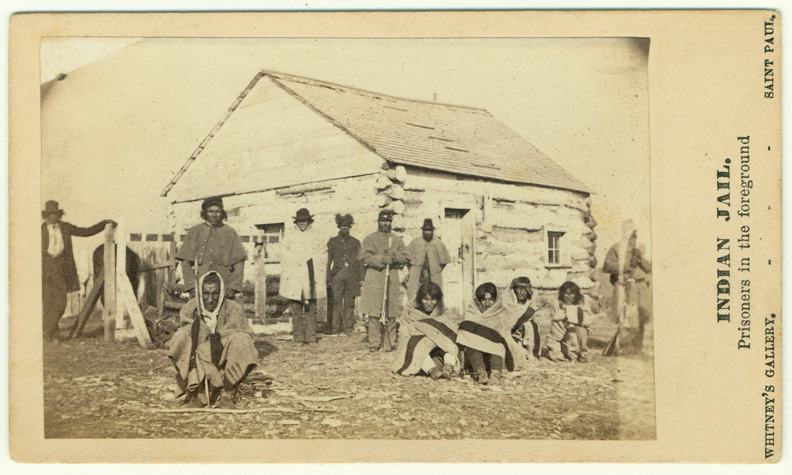
They continued until November 5th, getting more summary as time passed. Not that they were in any way legitimate, fast or slow. Sibley didn’t have the authority to convene military tribunals, nor did he acknowledge the Dakota legal status as a sovereign nation engaged in a war rather than citizens bound by the criminal code of the United States. Of course the requirements of the criminal code were also entirely disregarded. The defendants had no lawyers or even translators. The evidence presented against them was haphazard and the commissioners blatantly prejudiced. Most of the trials were held in the summer kitchen of trader François LaBathe. It was a sham, a means to stamp a wink-and-nod legitimacy on revenge.

Out of the 400 Dakota men tried, 303 were convicted and sentenced to death. Sixteen were sentenced to prison terms. The sentences went to Washington for government approval. President Lincoln reviewed the trial transcripts and found them full of irregularities, to say the least. He would later explain this move to the Senate thus:

“Anxious to not act with so much clemency as to encourage another outbreak on one hand, nor with so much severity as to be real cruelty on the other, I ordered a careful examination of the records of the trials to be made, in view of first ordering the execution of such as had been proved guilty of violating females.”
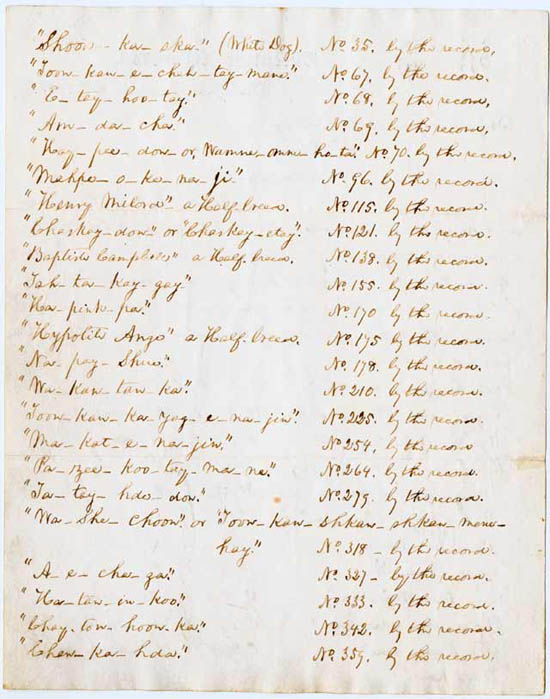
There were only two men proven guilty of rape. Lincoln and his lawyers then searched the transcripts for men found guilty of massacres of civilians rather than pitched battles against armed foes. Lincoln’s final list had 39 names of Dakota men to be executed. The rest of the 303 were either freed or sentenced to prison terms.

This was not a popular decision. Minnesotans wanted blood and protested the clemency vociferously. The Ministry of the Interior ultimately had to buy them off with reparations for property lost in the war, and even so the Republican Party suffered in the 1864 election, although they still won the state. Senator Alexander Ramsey, Governor of Minnesota at the time of the trials, would later tell Lincoln that more hangings would have resulted in more electoral votes. Lincoln replied “I could not afford to hang men for votes.”
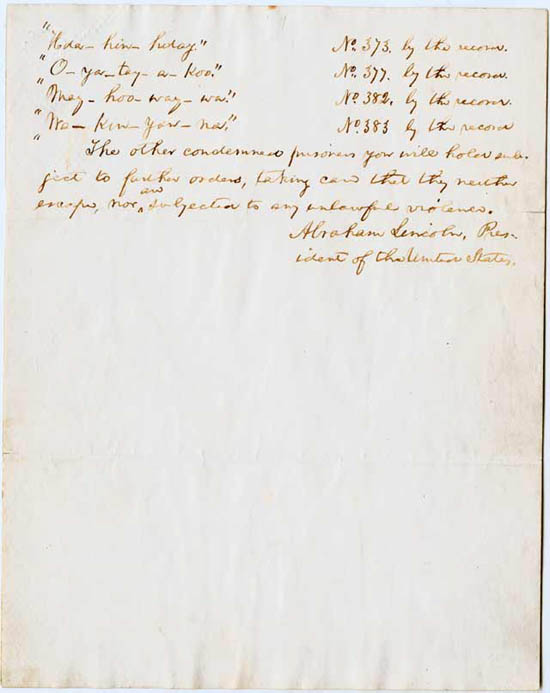
On December 26th, 1862, 38 men (one of the men on Lincoln’s list was given a reprieve at the last minute) were led to a massive scaffold in Mankato, Minnesota.

As the men took their assigned places on the scaffold, they sang a Dakota song as white muslin coverings were pulled over their faces. Drumbeats signalled the start of the execution. The men grasped each others’ hands. With a single blow from an ax, the rope that held the platform was cut. Capt. William Duley, who had lost several members of his family in the attack on the Lake Shetek settlement, cut the rope.

After dangling from the scaffold for a half hour, the men’s bodies were cut down and hauled to a shallow mass grave on a sandbar between Mankato’s main street and the Minnesota River. Before morning, most of the bodies had been dug up and taken by physicians for use as medical cadavers.

Following the mass execution on December 26, it was discovered that two men had been mistakenly hanged. Wicaƞḣpi Wastedaƞpi (We-chank-wash-ta-don-pee), who went by the common name of Caske (meaning first-born son), reportedly stepped forward when the name “Caske” was called, and was then separated for execution from the other prisoners. The other, Wasicuƞ, was a young white man who had been adopted by the Dakota at an early age. Wasicuƞ had been acquitted.
To learn more about the Dakota War and its short and longterm effects in Minnesota, please see this exceptional website replete with primary sources and further reading. The New York Times has an excellent article about the efforts to get a posthumous pardon for Chaska or Caske. This article from the Bismark Tribune is remarkably thorough, covering the Dakota war in the larger context of the Indian Wars, the post-war fate of the Dakota and efforts today to cope with this ugly history.
The first recordings of a family Christmas

As ever, I am a sucker for a theme post and the curators of the Museum of London have graciously hooked me up with just the thing. They have restored and uploaded to their website what may be the first surviving home recordings of a family Christmas.

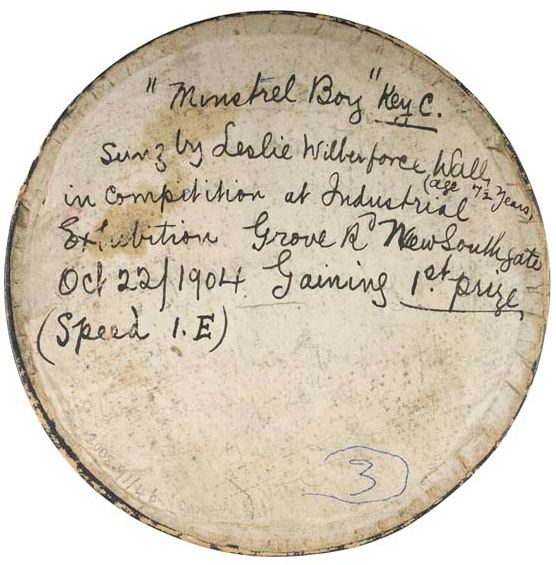
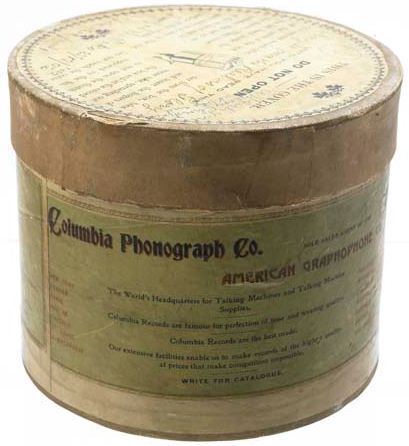
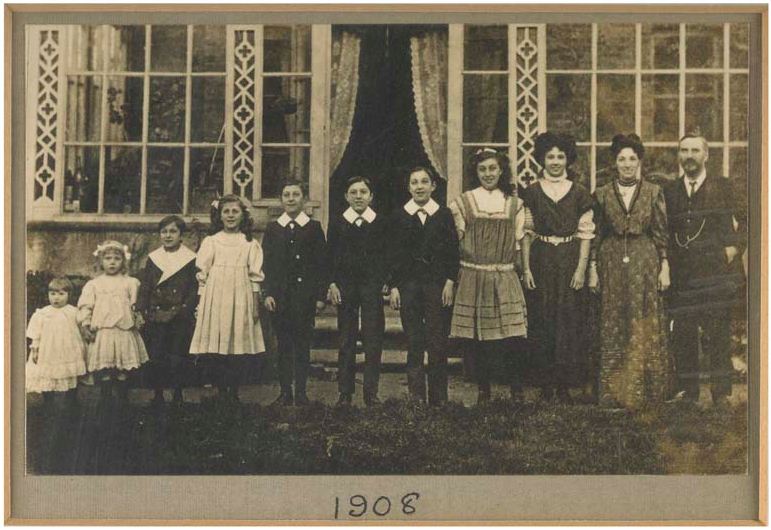
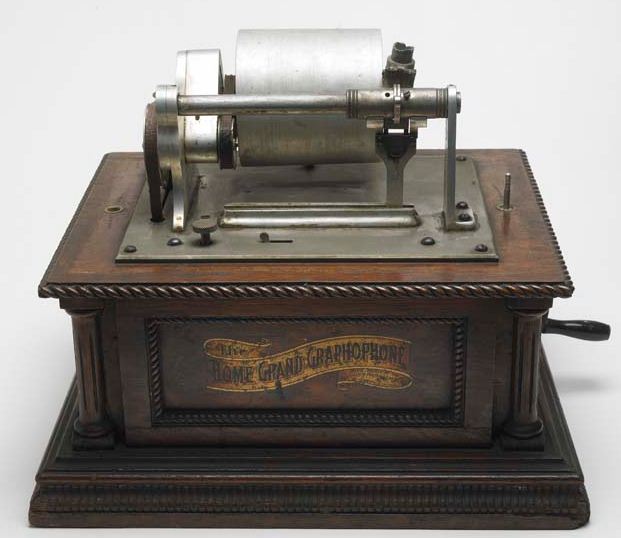
Starting in 1902, patriarch Cromwell Wall began recording family get-togethers and events on wax cylinder phonographs by Columbia Home Grand Graphophone. Cromwell Wall was a civil engineer who worked in a London firm his father had co-founded in the late 19th century. He and his wife Minnie had nine children and lived in a home called Lyndale in the London suburb of New Southgate. Minnie’s parents and Wall’s parents lived in the same neighborhood. The families along with cousins and uncles got together on the holidays and made merry, merry which Cromwell saw fit to record on carefully labeled wax cylinders.

At this time, home recording equipment was expensive and rarely seen in homes. It was the province of office work, a rudimentary form of the Dictaphone. Cromwell took the phonograph home and recorded their holiday toasts, parties, carol singing and musical recitals. When the action moved outside their home, Wall packed the equipment in the baby’s stroller and rolled it along with them to various events. The pram phonograph traveled the neighborhood to the in-law’s house (Toppesfield), Cromwell Wall’s parents’ house (the Oaks), to St. James the Great Church and once to Grove Road Baptist Chapel to record the bells peeling on New Year’s.

According to Julia Hoffbrand, curator of social and working history at the Museum of London, experts who have listened to the restored recordings have declared their quality outstanding, superior even to the commercial recordings of the era. That’s not to say they sound like they’re made yesterday. They don’t. Many of them have a strong hiss in the foreground or that bumpity-bump rhythm so common in early phonograph recordings, but they are in great condition for their age.

The wax cylinders are easily damaged beyond retrieval and require particular knowledge and care to maintain for more than a century. The few home recordings that have survived are small snippets of sounds with almost no identifying information of accompanying detail. Fresh cylinders were expensive, so people often scraped off the grooves of one recording to reuse them for a new recording. Cromwell Wall kept all of his untouched. He labeled the cylinders in detail and subsequent generations kept them safe and dry even when the phonograph was broken and they didn’t really know what a treasure they had.

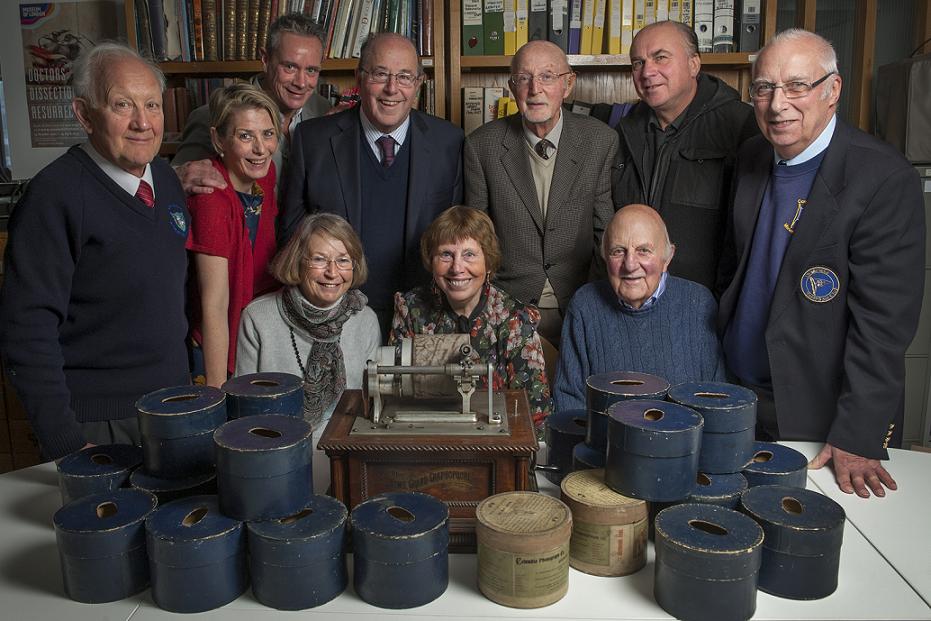
The cylinders and phonograph were donated to the museum by David Brown, son of Muriel Brown, the second youngest of the nine children of Cromwell and Minnie Wall. He stored them in the attic and donated them when he came across them again four years ago, not having any idea if there was still any sound on the cylinders that could be retrieved.

This summer the museum restored them, first reducing noise by cleaning the cylinders with a brush fine enough to get between the grooves and then cleaning up the recordings further with software once they’d been digitized. In October, the Wall descendants finally got to hear their family gatherings from 110 years ago. From the BBC article on the recordings:

It brought back some great memories for Oliver Wall, one of Cromwell’s grandchildren.

“It was a wonderful atmosphere. I remember the occasions always at Christmas and we always had big parties and singing round the piano with grandpa playing and he used to take us marching upstairs and all over the big house they had.”

His cousin Daphne reminisces how their grandfather used to dress up as Father Christmas. “There was a great deal of excitement,” she said. “It was fun!”

Now it’s our turn to press our noses up against the historical glass. The entire collection of 24 recordings is available for your listening pleasure on the Museum of London’s website. There are pictures of the family and equipment accompanying each recording.

Here’s the Wall family singing Angels from Realms of Glory and We Wish You a Merry Christmas at the Oaks in 1902:

WWI Christmas Truce letter on Antiques Roadshow

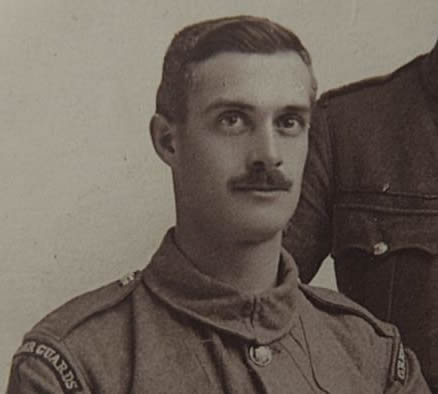
A previously unknown letter describing the famous Christmas Day soccer/football game between German and British troops held in No Man’s Land on the Western Front was revealed on the BBC’s Antiques Roadshow last month. It was written by Clement Barker of Ipswich, Suffolk, to his brother Montague on December 29th, 1914. A staff sergeant with the 1st Battalion Grenadier Guards, Barker wrote:

A messenger come over from the German lines and said that if we did not fire Xmas day, they (the Germans) wouldn’t so in the morning (Xmas day). A German looked over the trench – no shots – our men did the same, and then a few of our men went out and brought the dead in (69) and buried them and the next thing happened a football kicked out of our Trenches and Germans and English played football.

Night came and still no shots. Boxing day the same, and has remained so up to now.

This is an important contemporary eye-witness account of an event that even today is still questioned. Some historians have suggested that the football game was a later romanticization of the Christmas Day Truce events, that it never really happened. Soldiers’ letters testify that the match really did happen in the No Man’s Land between the trenches near Armentières, France, and that the Germans won 3-2.

Christmas Truces, mainly between British and German troops, broke out spontaneously at various points along the Western Front in 1914. The commands on both sides were not pleased. They considered it damaging to morale and a dangerous contravention of their propaganda programs which relied on demonizing the enemy to rally pro-war sentiment. After the events of Christmas 1914, troops were warned that any fraternization with the enemy would result in harsh punishment up to and including summary execution.

The letter was recently discovered by Rodney Barker, Sgt. Barker’s nephew. He found it when he was look through some of his father’s personal effects after his mother died. He never met his uncle who survived World War I but died in 1945 at age 61.

An interesting postscript to his description of the truce is a sadly inaccurate prognostication:

Our batt[allio]n went in the trenches again on Boxing Day. We have conversed with the Germans and they all seem to be very much fed up and heaps of them are deserting. Some have given themselves up as prisoners, so things are looking quite rosy.

It would take four years and more than 16 million deaths before the war’s end.

Denmark’s only medieval rowboat found in moat

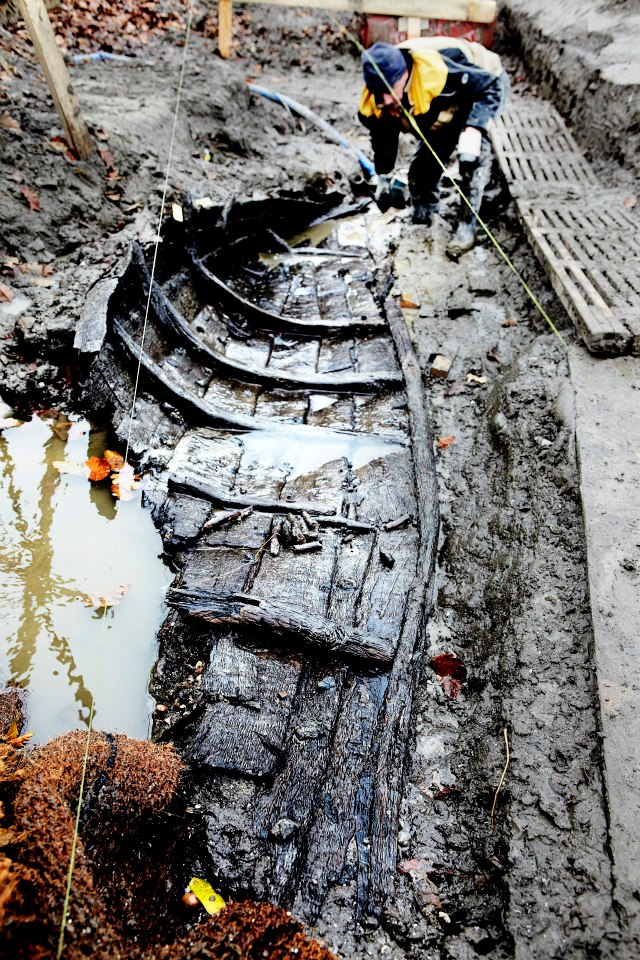
Archaeologists excavating the site of a moat around the ruins of Vordingborg Castle on the southeastern Danish island of Zealand have unearthed the well-preserved remains of rowboat that dates to around 1400. This is the only medieval boat ever discovered in Denmark. The team stumbled on it unexpectedly when they were doing some sewer work on the ruins. They saw a plank peek through the mud and then further excavation revealed that it was an almost intact rowboat in an exceptional state of preservation.

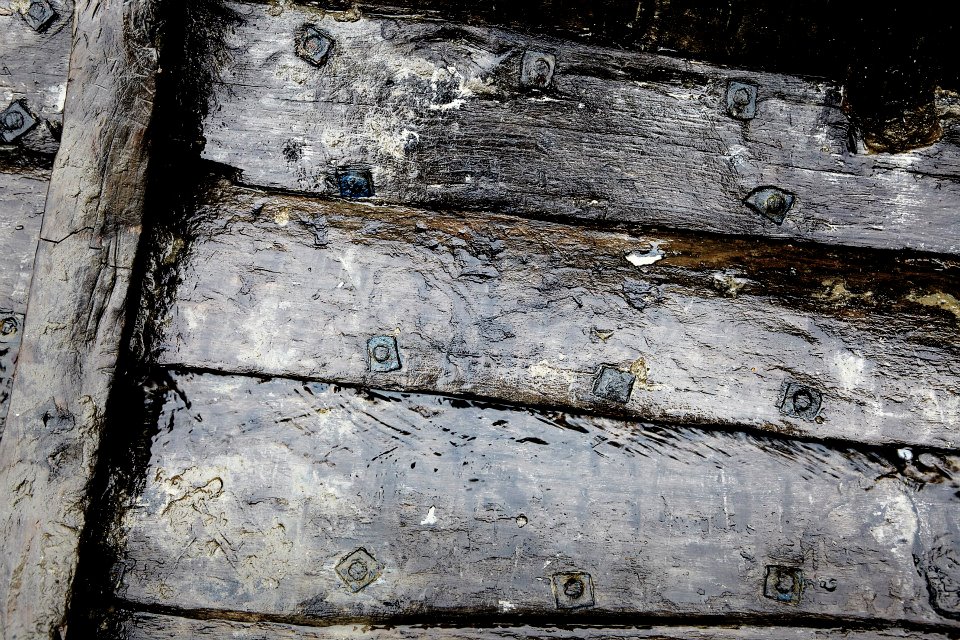
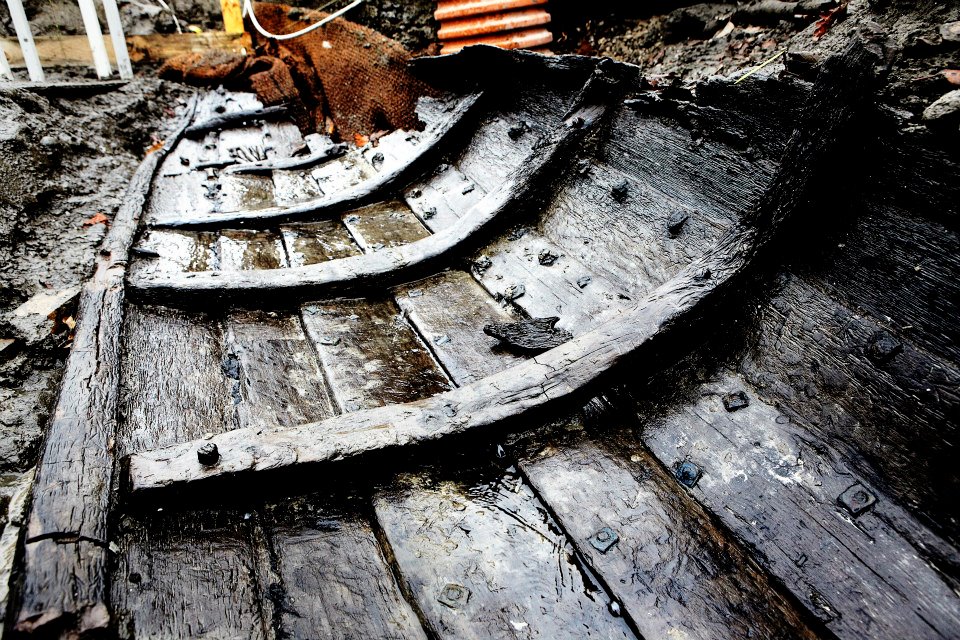
The boat was found on its starboard side. Only two of the starboard planks remain intact on the side, although sections of starboard planks three and four are preserved in the stern. The bow is missing. Archaeologists estimate that it was originally about 6.5 meters (21 feet) long. It is clinker-built, an ancient Nordic shipbuilding technique wherein the hull is constructed using overlapping planks joined with iron nails. The Vikings made their terror-striking longships using the clinker technique, and it was the most used method of shipbuilding in northern Europe from the 9th century to the 19th.

According to excavation leader Lars Sass Jensen, dendrochronological analysis (tree-ring dating) found that the trees used to make the boat were cut down in 1390. The boat would have been put to work in the castle moat shortly thereafter. There it remained for many years.

Although today we think of moats as a purely defensive feature of a castle, they were also put to practical use. Many moats contained fish traps, underwater fences used to coral and capture fish. The rowboat could have been used to maintain the fish traps or people might have fished directly from the boat. It could also have been something of a mini pleasure barge, used by the aristocratic inhabitants of the castle and their guests to go for gentle rows along the moat.

Whatever its functions, evidence indicates that the little vessel lives a long, fruitful life on the moat.

Despite its old age, the boat from Vordingborg is incredibly well-preserved. That has enabled the archaeologists to see that the six-metre-long rowboat has had a long life. It’s been patched and repaired over and over again.

“The rowboat is almost fully preserved. The only thing missing is a little section of one side and the part that the excavator broke off when we found the boat,” says Jensen.

“Because it’s so well-preserved, we can see that many repairs have been made on it, and that the keel is highly worn.”

The repairs and wear pattern suggest it was used for generations. There’s no clear cause of death, if you will, that might explain how the old rowboat wound up on the bottom of the moat never to be recovered. Larsen speculates that it might have sprung a leak and sunk during the cold of winter when it would be more chilling trouble to attempt to rescue the aged thing than to simply let it rest in peace in an appropriately watery grave.

Their trash is Denmark’s and the castle’s treasure since they now have a lovely and unique medieval boat to study. The rowboat has been removed from the site and is now being kept in a water bath to keep it from drying, cracking and decaying before it is restored for display at the new Danish Castle Centre which is scheduled to open in the summer of 2013.

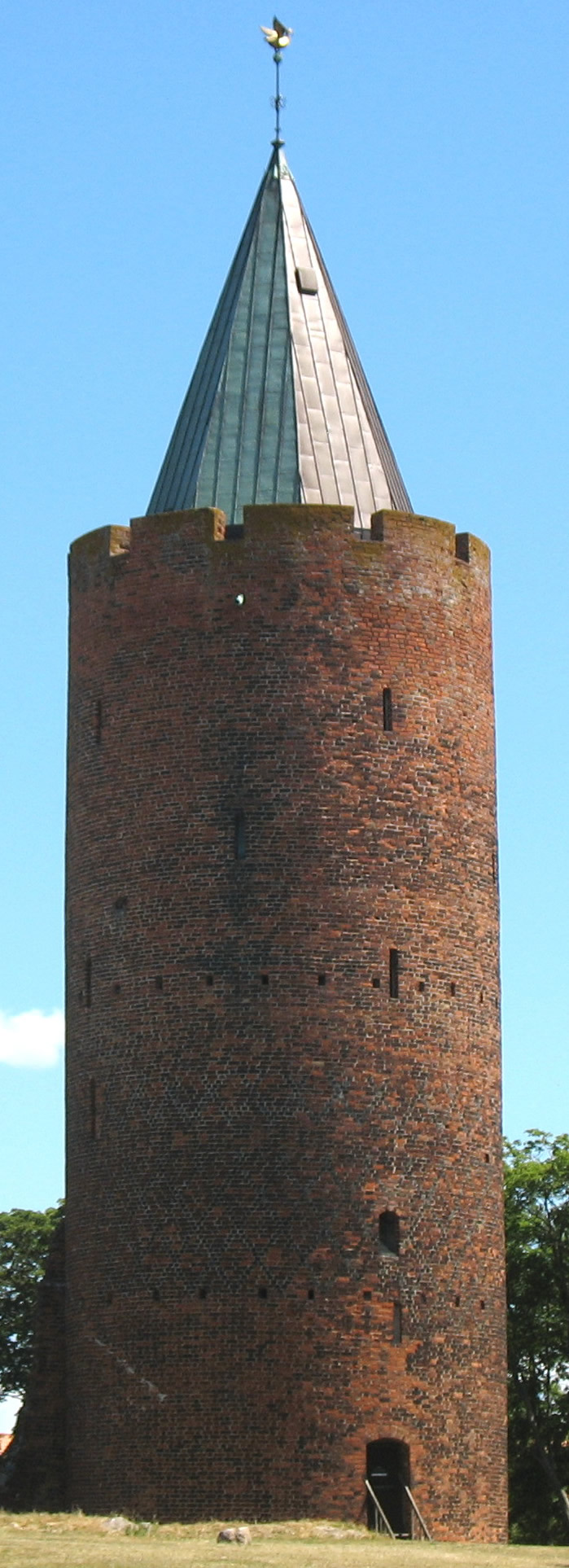
Vordingborg Castle was built in the late 12th century by King Valdemar I who used it for defense and also as a launching pad for raids against the German coat. Subsequent kings expanded it until at its peak in the late 14th century under King Valdemar IV it had a massive defensive wall 2,600 feet long dotted with nine towers. Much of the castle was demolished in the 17th century to make an elegant palace for Prince George, son of King Frederick III of Denmark and Norway and prince consort of Queen Anne of Britain. George never lived in that palace and in the 18th century it was demolished too. All that remains standing of the largest royal castle in Denmark today are parts of the 14th century ring wall and one of the nine towers (today known as the Goose Tower after the golden goose placed on its roof in the 19th century).

The castle’s Facebook page has a neat collection of photographs of the excavation and removal of the boat, plus pictures of other finds like the collapsed brick tower mentioned in the article.

Charlotte Brontë letters to her bff return to Haworth

A set of six rare and significant letters written at various stages in her life by Charlotte Brontë to her best friend Ellen Nussey are headed back to the Brontë Parsonage Museum in Haworth on the Yorkshire moors, which was for many years the family’s home. The museum had to bid for them at Sotheby’s English Literature, History, Children’s Books & Illustrations sale on December 12th, and since the letters are highly desirable, the bidding was fierce. Thankfully they had a grant to get them over the hump.

The pre-sale estimate was a not inconsiderable £100,000 – 150,000 ($161,000-242,000). The modest Brontë museum doesn’t have that kind of cash lying around, needless to say, so they appealed to the National Heritage Memorial Fund, a government-funded organization that gives grants to save important items of cultural heritage at risk of being sold out of the country or disappearing into private collections. The NHMF gave the Brontë museum £198,450, and they needed every shilling of it since the hammer price turned out to be £185,000. The final bill including buyer’s premium was £223,250 ($359,432).

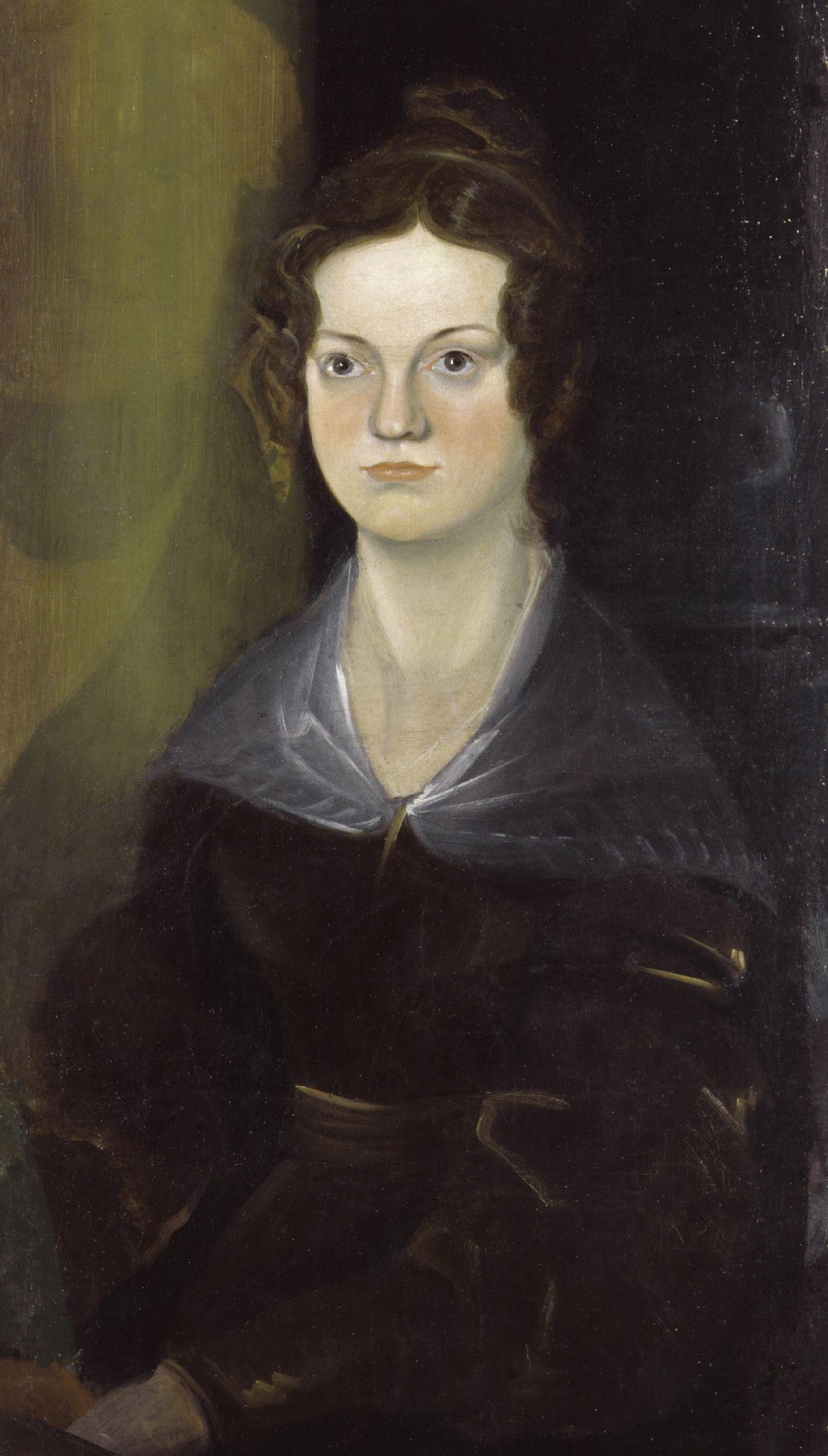
The reason these six letters (and a first edition of the two-volume 1857 biography of Charlotte Brontë by Elizabeth Gaskell which was also part of the lot, but that was a negligible part of the value) are so dear is that Charlotte’s letters to Ellen are the basis for much of the Brontë scholarship that exists today. The two met at Roe Head School in Dewsbury in 1831 when Charlotte was 15. They became fast friends from then on, corresponding regularly for the next 24 years until Charlotte’s premature death in 1855. Charlotte edited her proof-sheets of Jane Eyre while staying at Ellen’s house, and Ellen was by her side when Charlotte’s beloved sister Anne died in 1849 while the three were on a trip to Scarborough in the vain hope that the sea air might help Anne recover from the tuberculosis that would claim her life.

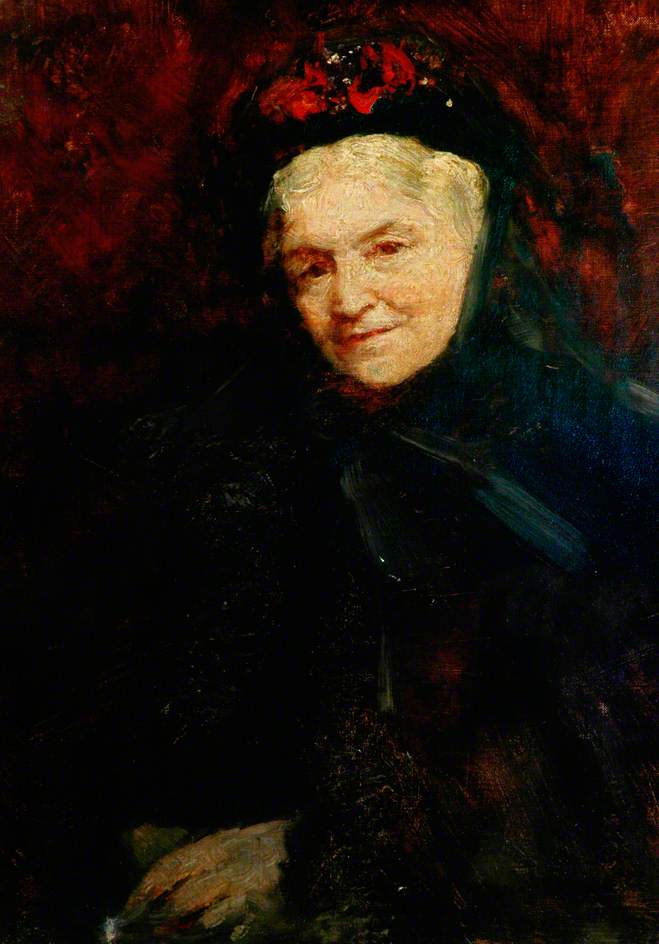
Ellen kept all of the letters Charlotte wrote her, more than 500 in the final tally. Charlotte’s husband, her father’s curate Rev. Arthur Bell Nichols, wanted the letters destroyed after Charlotte’s death, fearing that they would somehow tarnish her reputation. Nussey refused, bless her forever for that. For the rest of her life — she died at the age of 80 in 1897 — Ellen considered herself a custodian of Charlotte’s personal and literary legacy, and biographers from Elizabeth Gaskell onward sought Ellen out for her recollections and correspondence.

After her death, the letters were sold, many of them ending up in the Haworth museum collection. These particular six were lent to Elizabeth Gaskell who apparently put them between the covers of the first edition of her biography of Charlotte and forgot about them. They were only recently rediscovered when the volumes, then in a private collection, were opened and the letters found out. They’ve only been known from poorly made transcripts until now, all of them inaccurate, so having the originals is an important addition to Brontë scholarship.

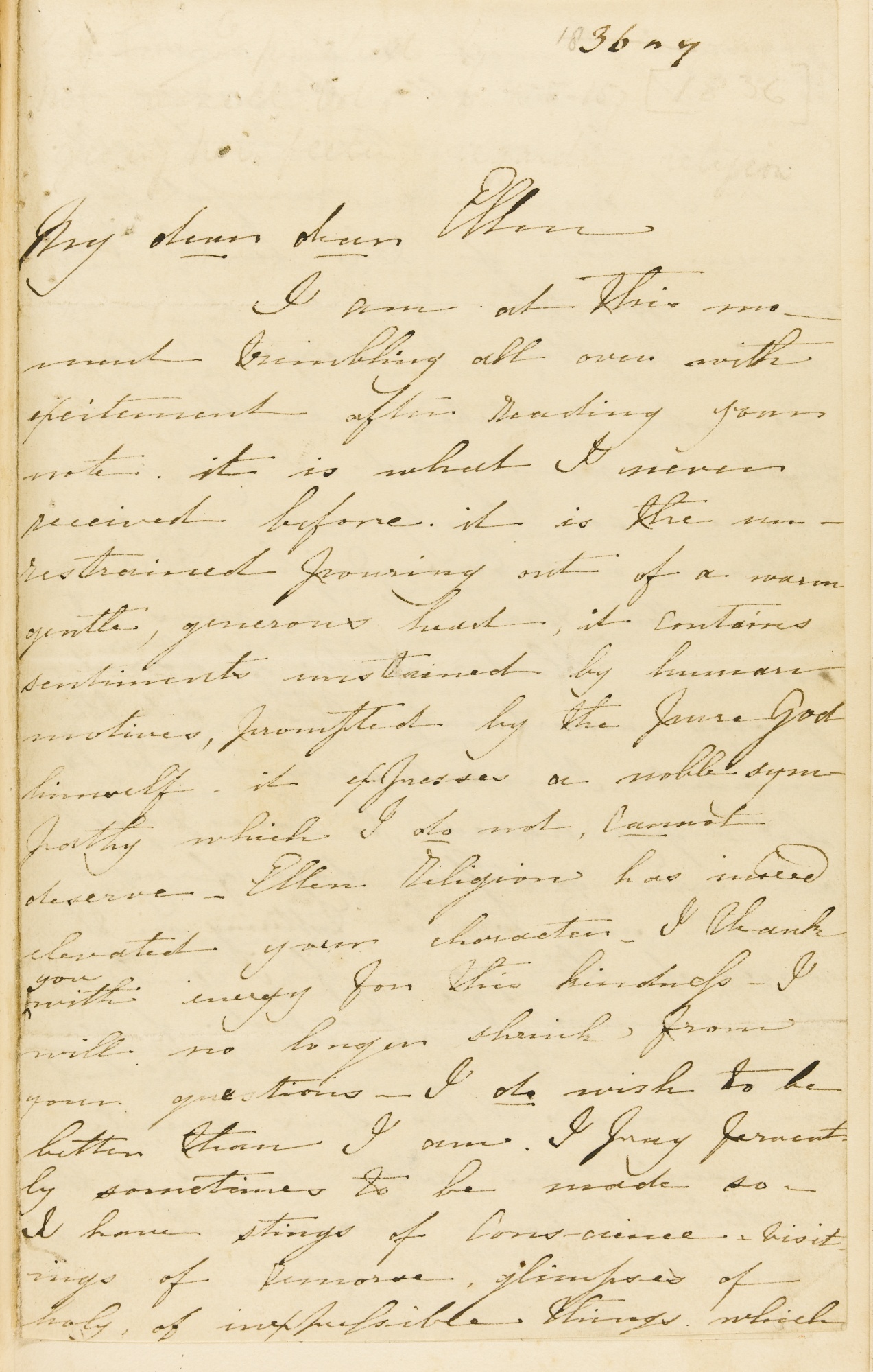
The letters cover the entire span of their friendship. The first one was written on October 18th, 1832, a year after they first met. In it Charlotte describes her return to Haworth after visiting Ellen. The second she wrote when she was teaching at Roe Head School in late 1836/early 1837 and it reveals her despair in the midst of a religious crisis. “I have stings of Conscience,” Charlotte writes expressively, “visitings of remorse, glimpses of holy, of inexpressible things which formerly I used to be a stranger to – it may all die away and I may be in utter midnight but I implore a merciful Redeemer that if this be the real dawn of the Gospel it may still brighten to perfect day….” Another written shortly after that describes Ellen’s departure from the area as “an inscrutable fatality” even though it was only of brief duration. The fourth is from the end of Charlotte’s period as teacher at Roe Head. The fifth is of particularly literary interest as it was written while she was working on Jane Eyre in January of 1847. The last one was written at the end of 1854, just three months before her death. In a classic jinx move, she wrote: “As to infection – I have not the slightest fear on my own account – but there are cases as I need not remind you, where wives have just to put their own judgment on the shelf, and do as they are bid….”

The Brontë Parsonage Museum will make them available to scholars in the museum. They might also scan and upload them to their exceptional online collection of Brontë material.